
KAI Chief Executive confirms railway readiness to support B50 energy transformation
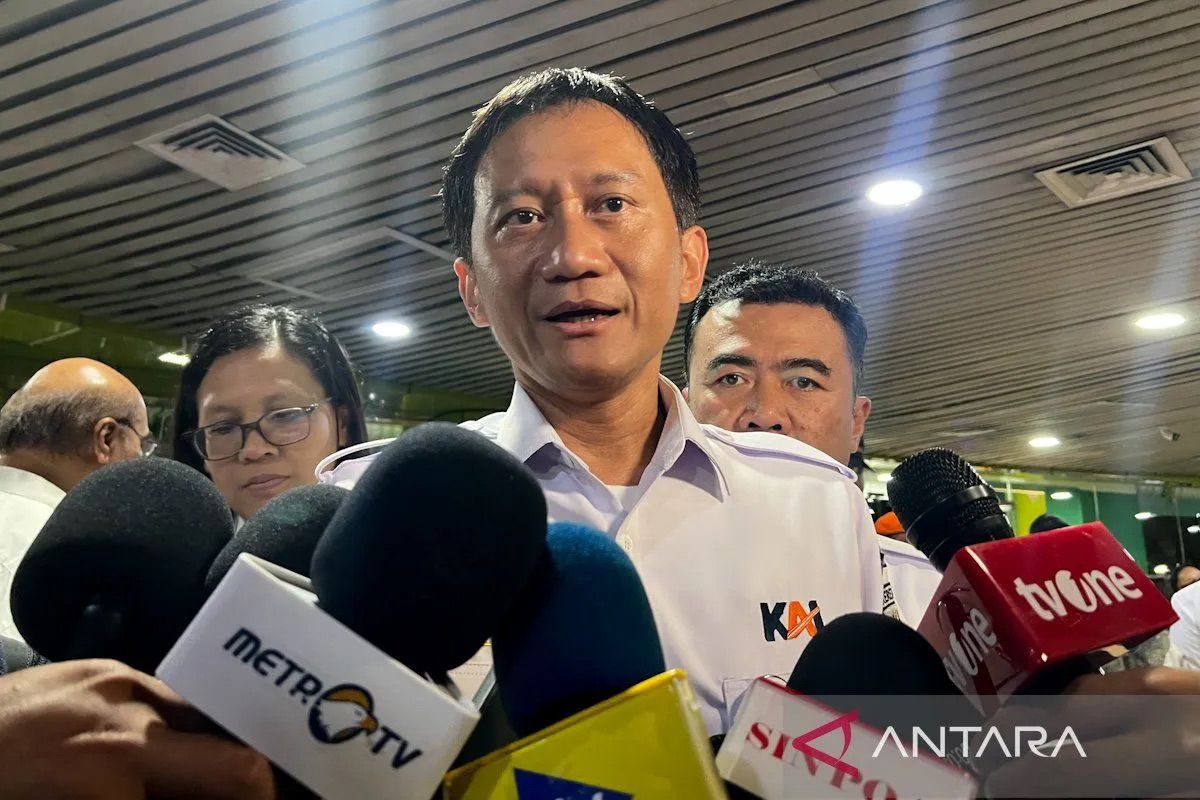
The railway plays a crucial role in Indonesia’s energy transformation, according to Bobby Rasyidin, President Director of PT Kereta Api Indonesia (Persero). He confirmed the operational readiness of the railway to support the implementation of B50 biodiesel fuel as part of the national energy transition towards more environmentally friendly and sustainable transport.
KAI continues to strengthen its energy sustainability roadmap through the gradual utilisation of biodiesel in railway operations. This step forms part of KAI’s support for the government’s policy to expand the use of new and renewable energy, bolster national energy security, and lower emissions in the transport sector. The fuel transformation within KAI is proceeding in line with the government’s mandatory biodiesel policy direction.
Based on the company’s environmental data, fuel usage in KAI operations was recorded as B0 in 2017, increasing to B20 in 2018–2019, B30 in 2020–2022, B35 in 2023–2024, B40 in 2025–2026, and continuing towards B50 in 2026. Bobby stated that the journey from B0 to B50 demonstrates the importance of consistent national energy policy and the preparedness of transport operators to translate that policy into reliable public services.
He argued that Indonesia’s energy transformation requires a transport sector capable of measured adaptation. KAI is strengthening the railway’s role through a biodiesel roadmap from B0 to B50, ensuring each stage proceeds in harmony with safety, service reliability, energy efficiency, and emission reduction.
According to Bobby, the railway sector holds a strategic position at the intersection of public mobility needs, goods distribution, and the emission reduction agenda. With a large scale of services, every energy efficiency measure at KAI can have an impact on the sustainability of public services and national logistics competitiveness. He stressed that the railway works for society and the national economy; therefore, the energy transition at KAI must deliver measurable benefits, including consistently reliable services, increasingly efficient energy use, and a contribution towards sustainability.
Bobby affirmed that KAI’s energy roadmap will continue to be directed at strengthening the railway’s role in Indonesia’s energy transformation. He stated that sustainability must go hand in hand with service reliability, as clean public transport must also remain safe, affordable, and able to meet public needs. The biodiesel roadmap from B0 to B50 shows that railways have a vital role in Indonesia’s energy transformation.
With government support, Bobby added, KAI will continue to maintain reliable public transport and logistics services while strengthening its contribution to national energy security, emission reduction, and economic competitiveness. KAI is currently carrying out technical testing of B50 biodiesel, focusing on engine performance, fuel consumption, emissions, and rolling stock durability to support sustainable operations. The fuel transition is being implemented gradually through technical coordination with the government and various relevant agencies to ensure the readiness of the rolling stock before wider application. Testing is necessary because railway operations have special characteristics, ranging from load weight and long journey durations to high rolling stock reliability standards.
In addition to supporting the government’s policy to expand the use of environmentally friendly energy, KAI is also ensuring that each stage of biodiesel usage proceeds safely without disrupting passenger or logistics services. Together with the Ministry of Energy and Mineral Resources (ESDM), KAI commenced technical trials of B50 in April 2026 on locomotives and generators to evaluate overall operational performance. The government will enforce the mandatory national implementation of B50 biodiesel starting from 1 July 2026 as part of strengthening energy security and the transition towards more sustainable energy use.