
KAI CEO Confirms Readiness for Karet–BNI City Station Integration
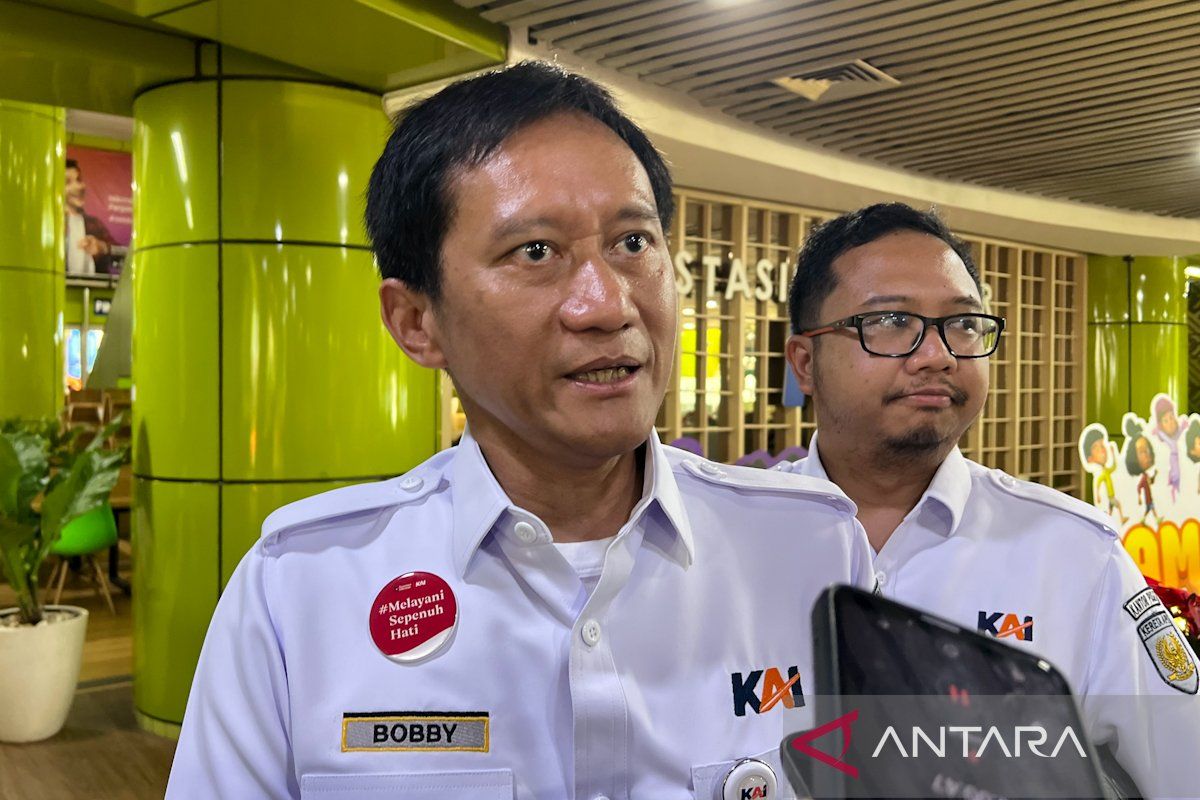
Jakarta (ANTARA) - PT Kereta Api Indonesia (Persero) President Director Bobby Rasyidin has confirmed the operational readiness of the integration of Karet Station and BNI City Station to provide safer, more comfortable, and integrated passenger journeys. “The Karet and BNI City integration is being prepared to make passenger journeys safer and more comfortable,” Bobby said in a statement on Monday. KAI is targeting the integration of Karet Station with BNI City Station to commence operations on 28 September 2026. The integration is part of efforts to improve Jabodetabek commuter line services through passenger flow management, strengthening operational safety, and improving access in the station area. Bobby stated that the plan is being prepared with caution because Karet Station has become part of the daily activities of many passengers and the surrounding community. KAI understands that the area thrives with community activities, ranging from pedestrians, drop-off and pick-up services, motorcycle taxi riders, to local businesses. “Therefore, the arrangement must be carried out properly, in stages, and by listening to input,” Bobby said. Under the integration plan, the Karet Station area will be directed to become a concourse or connecting space to BNI City Station. KAI is also preparing air-conditioned travelator facilities so that passenger movement to BNI City can be done more comfortably. Passenger gate-in and gate-out activities will later be centralised at BNI City Station, while the Karet area will remain prepared as a well-organised supporting access point. Bobby explained that the integration is driven by safety and service needs. The very close distance between Karet Station and BNI City Station affects train operation patterns. In addition, boarding, alighting, drop-off, and pick-up activities around Karet Station need to be organised to be safer for passengers, road users, and the surrounding community. “We want to solve this problem with a solution-oriented approach. Passengers need easy access, the surrounding community needs spatial certainty, and train operations need a safe flow. This integration must answer all three,” Bobby explained. Based on KAI data, the Karet and BNI City area is one of the service points with high passenger activity. Throughout the first half of 2026, Karet Station recorded 7,257,146 gate-in and gate-out passenger activities, while BNI City or Sudirman Baru Station recorded 2,688,254 gate-in and gate-out passenger activities. In total, the two stations served 9,945,693 boarding and alighting activities from January to June 2026. The role of BNI City or Sudirman Baru is also increasingly important as this station is one of the service points for the Soekarno-Hatta Airport Commuter Line. In the first half of 2026, the airport commuter line served 1,197,413 passengers, an increase of 12.71 percent compared to the first half of 2025, which recorded 1,062,415 passengers. With this function, the Karet–BNI City integration is being prepared to strengthen passenger flow in an area that serves commuter travel, intermodal transfers, and access to Soekarno-Hatta Airport. KAI will strengthen coordination with local governments and relevant stakeholders to ensure the area’s arrangement runs in harmony. This coordination includes the arrangement of pedestrian access, drop-off and pick-up areas, the movement of motorcycle taxis, and community activities that have been located around Karet Station. Bobby emphasised that KAI will prepare a transition period with clear information for passengers. Signage, service officers, public announcements, and passenger flow arrangements will be prepared so that the changes in travel patterns can be well understood by the public. KAI also views the Karet and BNI City integration as part of improving public transport services in the central Jakarta area. With more comfortable connecting facilities, passengers can move through a more organised route, protected from the weather, and with a safer flow compared to current conditions.