
Kadin Views DSI as Key to Curbing Under-Invoicing and Strengthening National Economy
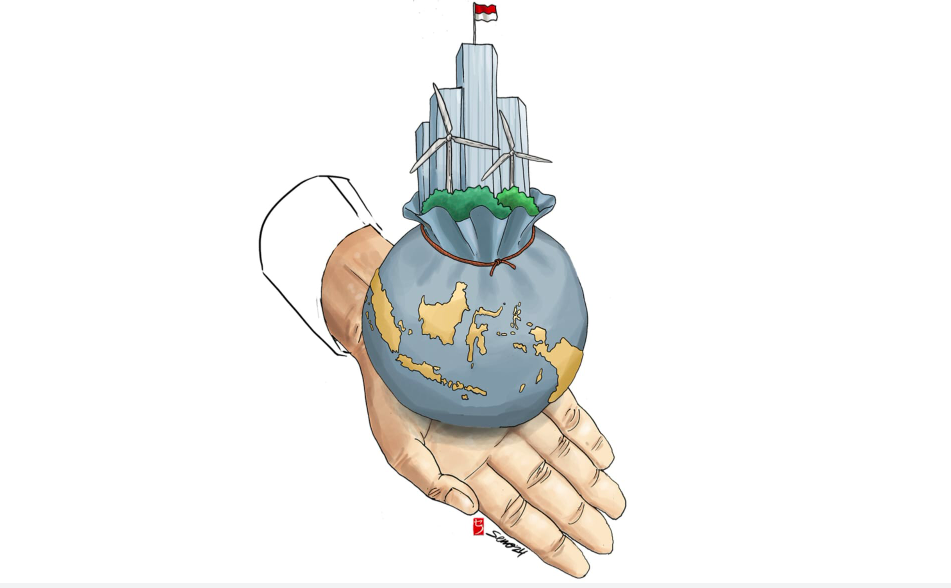
Datuk Alexander Yahya, an official of the Indonesian Chamber of Commerce and Industry (Kadin), stated that the commencement of operations by PT Danantara Sumberdaya Indonesia (DSI) is a positive step in strengthening the governance of strategic commodity exports.
He noted that if optimally implemented, DSI’s presence could reduce under-invoicing and transfer pricing while maximising the economic benefits from natural resource exports for Indonesia.
Alexander said the DSI’s export governance model is not new globally, with several countries adopting similar approaches to strengthen commodity trade oversight, enhance transparency, and ensure optimal economic returns from exports.
‘Historically, many countries have implemented such models, and theoretically, there is significant potential to reduce or even eliminate transfer pricing and under-invoicing issues, thereby increasing national foreign exchange revenue,’ he said.
According to Alexander, curbing under-invoicing and transfer pricing would boost foreign exchange earnings, positively impacting economic stability, including maintaining the rupiah’s exchange rate and ensuring export proceeds remain within the national financial system.
‘If under-invoicing or transfer pricing can be reduced or eliminated, we can secure higher foreign exchange, which would help stabilise our currency and ensure funds are held within the national banking system,’ he added.
Furthermore, Alexander views DSI’s establishment as a catalyst for transforming national export governance into a more technology-driven and transparent system.
He stressed that future export management must be supported by systems that record, document, and monitor all transactions effectively.
However, he emphasised the importance of a transition period in the initial operational phase of DSI, with the first seven months being critical for building systems, platforms, and infrastructure to ensure effective operation.
‘I hope this works. The challenge now is the first six months, which is an evaluation and transition phase until systems and platforms are established. Over the next seven months, extra effort is needed to ensure platforms, systems, and infrastructure are ready and functioning as intended,’ he explained.
He also warned that early implementation success depends on management’s readiness to build operational platforms and systems capable of supporting effective and timely transactions.
‘The first seven months are crucial as they involve data collection and building the company’s operational platform and system. Seven months is not a long time, so management must exert extra effort, work hard, and meet the deadlines. The platform must be ready, functional, and capable of effective transactions,’ he concluded.