
Kadin: Fuel Scarcity Driving Up Operational Costs
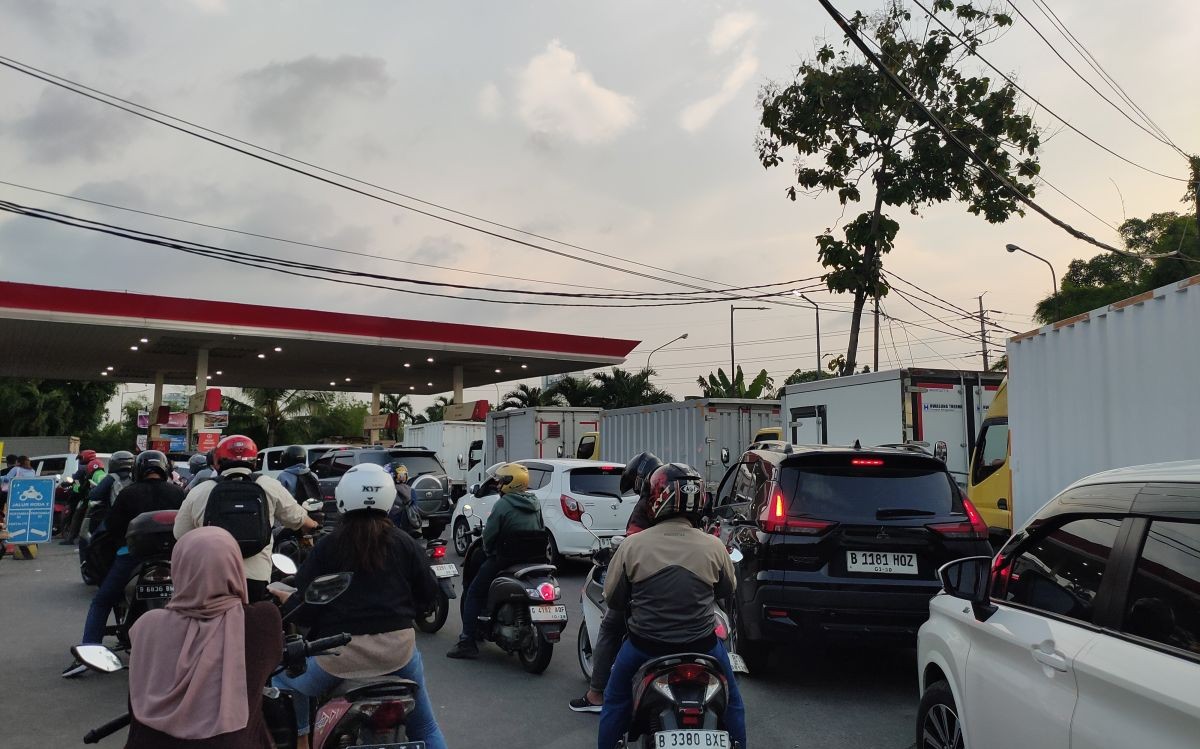
The Indonesian Chamber of Commerce and Industry (Kadin) regards the scarcity of fuel oil (BBM) in a number of regions as an urgent issue that must be addressed immediately, as fuel is a basic input for nearly all national economic activity.
Erwin Aksa, Deputy General Chairman and Coordinator for Organisation, Communication and Regional Empowerment at Kadin Indonesia, stressed that physical availability on the ground is far more crucial for the business world than national stock data that is merely declared sufficient.
“So even if nationally the stock is declared sufficient, what matters most for businesses is whether fuel is actually available at petrol stations and can be obtained when needed,” said Erwin when contacted on Tuesday (15/9).
Erwin revealed that the impact of the fuel shortage has spread across various sectors. Those feeling the effects fastest are transport, logistics, goods haulage, fisheries, agriculture, plantations, construction, and micro, small and medium enterprises (MSMEs) that depend on fuel-powered machinery.
According to him, long queues at petrol stations or the need to source fuel from distant locations directly increase operational costs, lengthen delivery times and reduce productivity. For the manufacturing industry, the disruption ripples through supply chains.
“If it lasts only a day or two, it can perhaps still be managed through stock and operational adjustments, but if it happens repeatedly or drags on, it will eventually feed into the cost structure and risks being passed on to the prices of goods,” Erwin explained.
Kadin has asked the government and relevant parties to look beyond aggregate national fuel availability. Erwin emphasised the importance of monitoring stock resilience down to the level of regencies, cities and individual petrol stations.
He cited logistical obstacles on the ground, such as on the Situbondo–Bondowoso route, where tanker journey times have swelled from 8–10 hours to 15–23 hours due to traffic. Meanwhile, the Majene regency administration has reported that fuel disruptions have affected local fisheries and agriculture.
“If fuel is available at the terminal but reaches consumers late, it still constitutes economic disruption,” he explained.
To resolve the issue going forward, Kadin has proposed five remedial measures.
“What businesses need is supply certainty. Energy is part of the economy’s basic infrastructure. Production activities must not be held up simply because vehicles and machines cannot obtain fuel,” Erwin concluded.