
Kadin Chair: Easing Geopolitical Pressures Bring Positive Sentiment to Indonesia
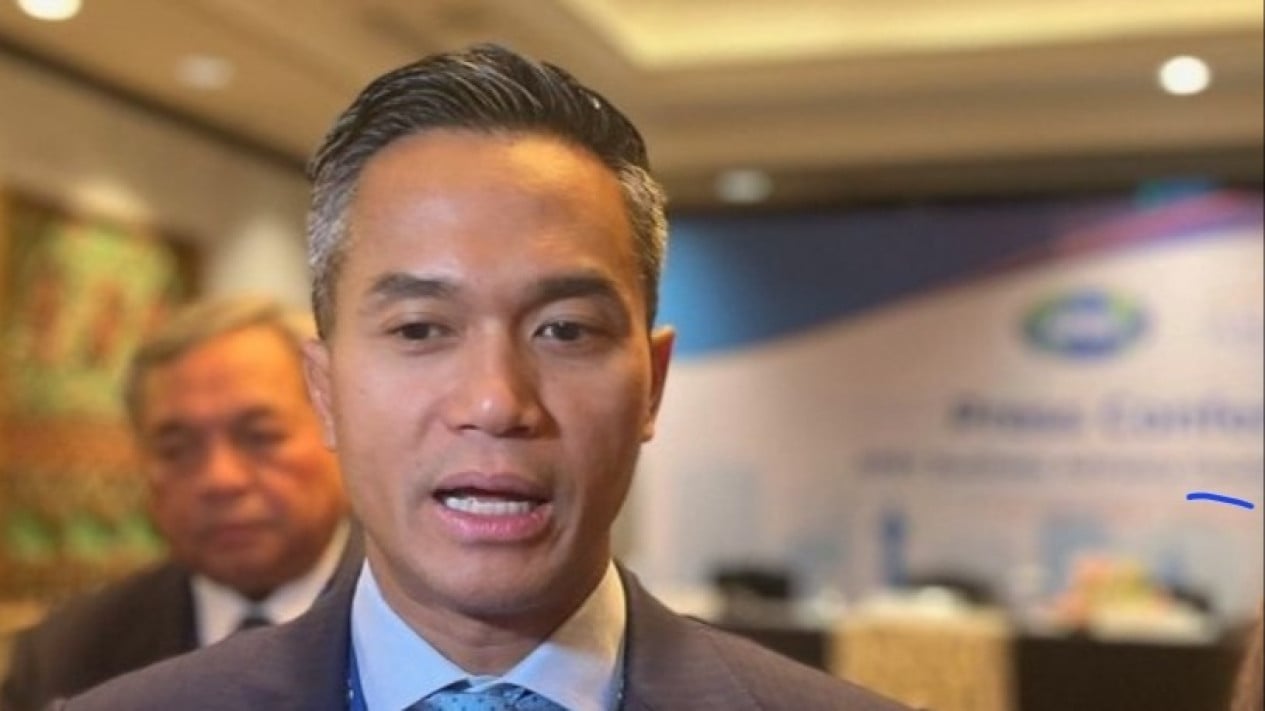
The Chairman of the Indonesian Chamber of Commerce and Industry (Kadin), Anindya Bakrie, has assessed that the easing of global geopolitical pressures is bringing positive sentiment to Indonesia. He noted that throughout the second quarter of 2026, the business world faced various challenges, ranging from geopolitical uncertainty due to conflicts in the Middle East, pressure on the rupiah exchange rate, regulatory certainty, public purchasing power, to rising energy costs.
According to him, Indonesia is currently entering a phase of economic transformation from a natural resource-based economy to a human resource-based one. “Indonesia is transforming from natural resources based to human resources based. In every transition, there are certainly challenges, so we must prepare to improve the quality of our human resources,” Anindya said in a statement on Friday, 17 July 2026.
This assessment is based on the results of the Kadin Business Pulse survey for the second quarter of 2026, an instrument published regularly every quarter to capture the condition of the business world and provide input to the government in formulating economic policy. Anindya explained that the Business Pulse serves as a dashboard for the business community to view various economic indicators, from business conditions and regulations to bureaucracy, government policies, and public purchasing power.
The survey covers business actors of various scales, from micro, small, and medium enterprises (MSMEs) to large corporations. Anindya added that the focus of global investors on Indonesia is no longer merely on its large economic potential, but on the country’s ability to realise various policies. This situation, he said, actually encourages Kadin to be more active in visiting regions to strengthen communication with business actors and convey information and policy advocacy.
He stressed that Indonesia’s economic fundamentals remain strong amidst global challenges. Anindya expressed optimism that Indonesia’s economic growth can be maintained at around 5 per cent in 2026. “Inflation is also under control and the debt-to-GDP ratio is one of the best in the G20,” he said. On the other hand, Anindya assessed that the business world needs to adapt to the new global economic equilibrium. This condition must be faced realistically while maintaining optimism.