
Kadin Appreciates Government's Performance in Boosting Q1-2026 Economic Growth to 5.61%
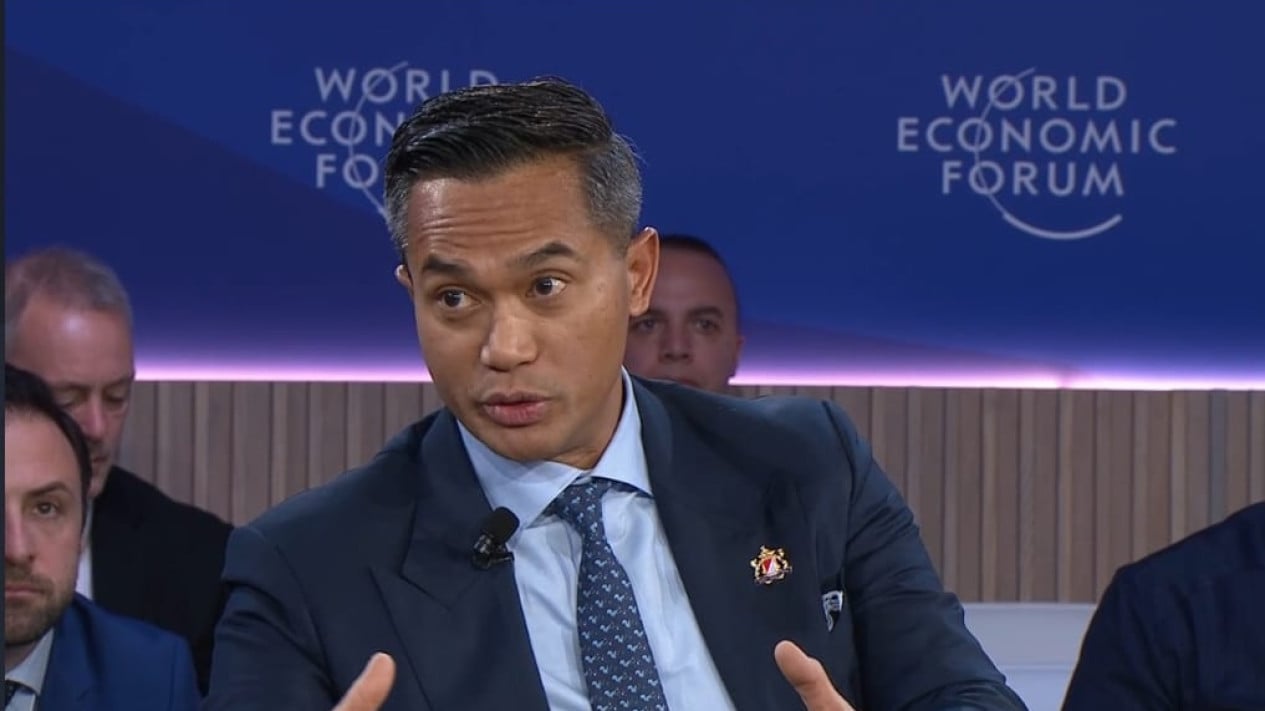
Jakarta, VIVA – Indonesia’s Chamber of Commerce and Industry (Kadin) appreciates the government’s performance in boosting Indonesia’s economic growth rate in the first quarter of 2026 to 5.61%. This achievement is inseparable from government programmes executed quite effectively. Accelerated government spending since January, the free nutritious meals programme (MBG) running massively up to Rp80 trillion, aggressive construction of 3 million homes, and several other priority programmes have contributed to driving economic growth. Likewise, direct investment activities have been underway since the beginning of the year. “We appreciate the government’s performance. Government programmes implemented since early 2025 are starting to show results this year,” stated Kadin Indonesia Chairman Anindya Novyan Bakrie in a press release, quoted on Wednesday, 6 May 2026. Kadin will continue to collaborate with the government, support, and fully participate in all programmes to boost economic growth and create equitable prosperity for all Indonesian people, from Sabang to Merauke. Indonesia’s 5.61% economic growth amid deteriorating global conditions is an extraordinary achievement that deserves appreciation. Indonesia’s economic growth rate in the first quarter of 2026 at 5.61% is the highest achievement among G20 member countries. In the same period, China’s economy grew 5%, Singapore 4.6%, South Korea 3.6%, Saudi Arabia 2.8%, and the US 2.8%. “This is a proud achievement,” stated Anin. Anin assesses that the improvement in national economic performance is not only supported by government spending and domestic consumption but is also marked by the opening of new export markets and increasing investment flows, including medium-scale ones starting to spread to regions. Efforts to open new export markets, although still in the early stages, are already beginning to have an impact amid various global challenges. At the same time, Anin said, the incoming investment flows are considered increasingly diverse, not only dominated by large projects but also medium investments that have the potential to drive regional economies. “Lately, we have succeeded in opening new export markets. Although just starting, the impact is already visible, including on incoming investments,” stated Anin. According to him, the next challenge is to ensure that these investments continue to flow to the regions through strengthened coordination and cooperation between the central and regional governments. Only in this way will economic growth not only be concentrated in the centre but spread more evenly to various regions.