
KA Siliwangi Route Temporarily Suspended by KAI Due to Track Erosion
PT Kereta Api Indonesia (Persero) Daerah Operasi 2 Bandung has decided to temporarily suspend the KA Siliwangi train service on the Cipatat-Cianjur-Sukabumi route. This measure was taken due to soil erosion beneath the tracks, or ‘gogosan’, on the rail line specifically at Km 74+9/0 in the Cibeber-Lampegan section.
Kuswardojo, Manager of Public Relations for KAI Daop 2 Bandung, stated when contacted in Cianjur, West Java, that the safety of train operations is the company’s top priority, so the KA Siliwangi service has been cancelled since Sunday night (19/4), with trains now only running to Cianjur Station.
“Safety is non-negotiable; the Cibeber-Lampegan section has been declared temporarily impassable until repairs are completed,” he said, quoted on Monday, 20 April 2026.
He explained that the initial information about the condition was received by field officers during a routine track inspection patrol on Sunday (19/4) around 19:55 WIB.
Officers discovered irregularities in the track structure due to gogosan, which posed a potential risk to train safety. KAI Daop 2 Bandung’s emergency response team was immediately dispatched to the site for further checks.
Based on the inspection results, the track was deemed temporarily unsafe for trains, so KAI Daop 2 Bandung apologises to all affected customers due to this disruption.
“We understand that this cancellation causes inconvenience to our passengers,” he said.
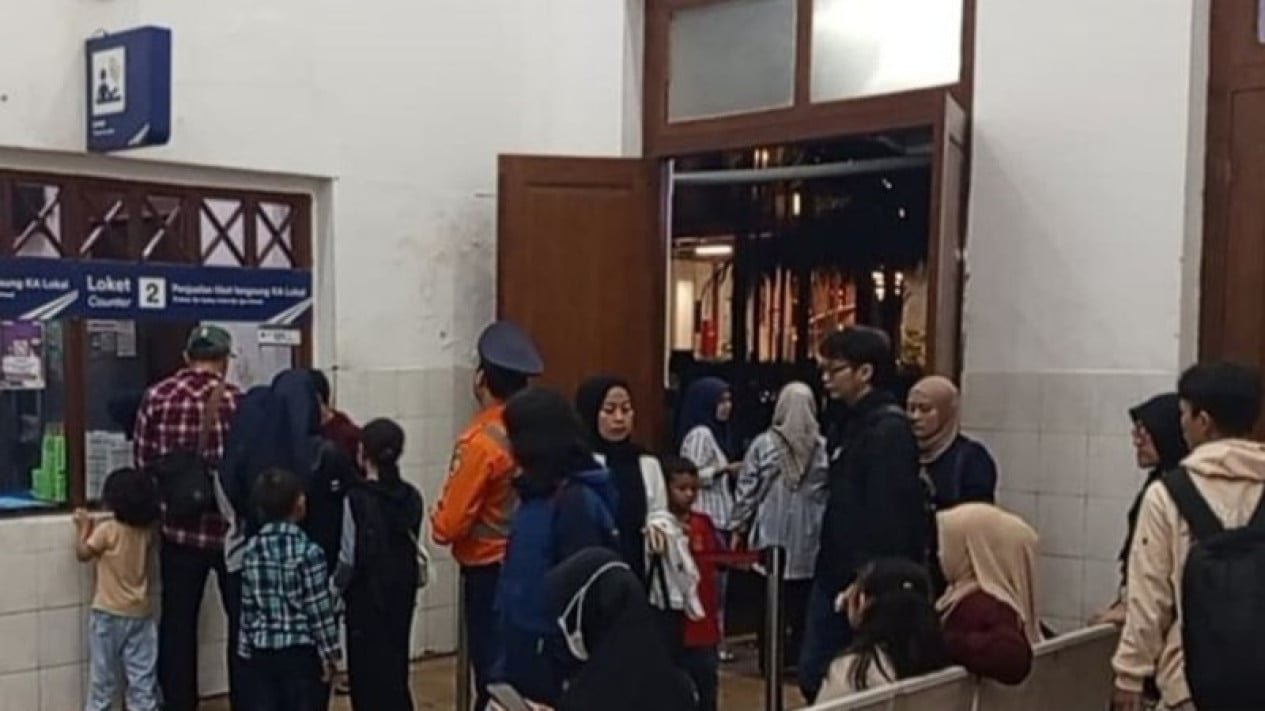
As compensation, affected customers who do not wish to travel can cancel their tickets for a 100 per cent refund of the ticket price, excluding booking fees.
Cancellations can be made through the Access by KAI app or directly at station counters. Ticket cancellations can be processed within a maximum period of 7 x 24 hours from the scheduled departure time on the ticket.
“KAI Daop 2 Bandung urges customers to use the official channels available to facilitate the cancellation process,” he said.
KAI Daop 2 Bandung is currently accelerating repair efforts on the track to restore train services as soon as possible. All handling processes prioritise safety aspects and comply with applicable operational standards.