
KA Sancaka Utara Ridership Soars, Linking Surabaya and Cilacap via Java's North-South Corridor
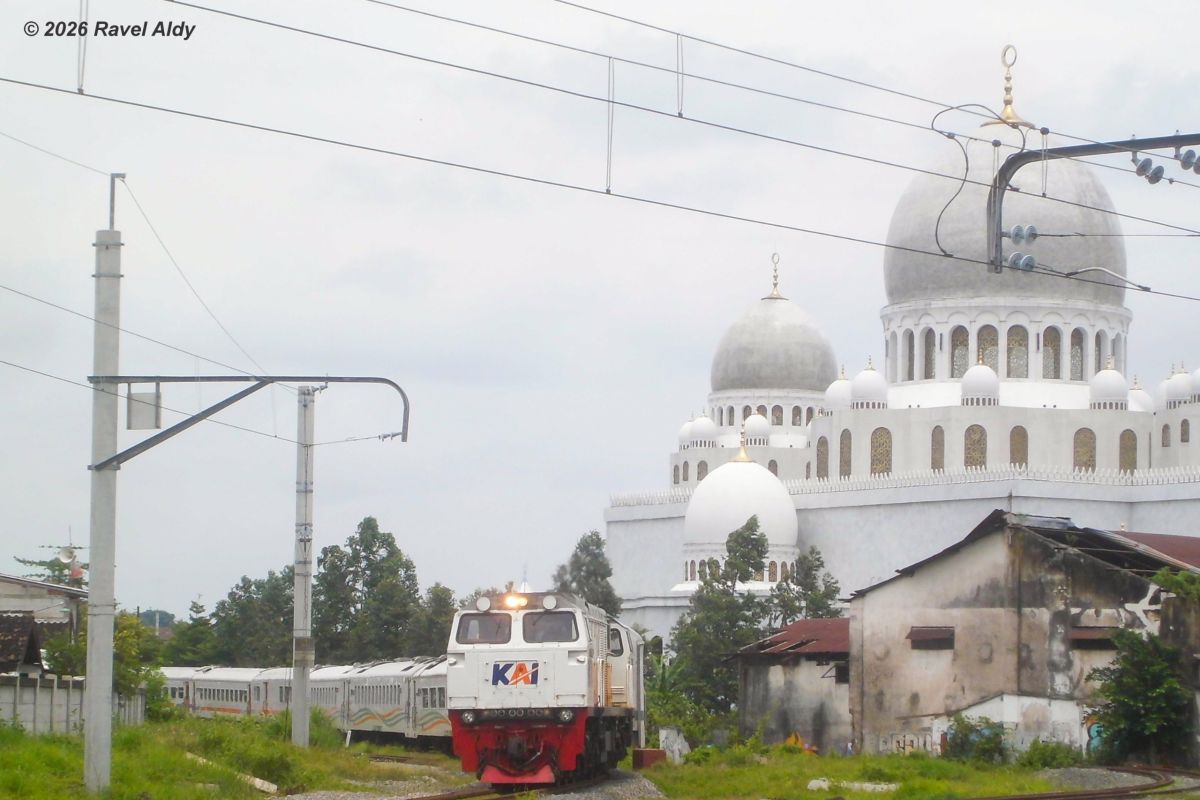
Jakarta (ANTARA) - PT Kereta Api Indonesia (Persero) has reported a strong performance for the KA Sancaka Utara service on the Surabaya Pasarturi–Cilacap round-trip route. Throughout January to May 2026, the service carried 142,135 passengers, an increase of 70,440 passengers compared to the 71,695 recorded in the same period of 2025, representing growth of 98.25 per cent. Vice President Corporate Communication of KAI, Anne Purba, stated that this increase shows KA Sancaka Utara is increasingly becoming the public’s choice for intercity travel connecting the northern regions of East Java and Central Java with Yogyakarta and onwards to Cilacap. “KA Sancaka Utara has a distinctive travel character because it connects Surabaya Pasarturi, Lamongan, Babat, Bojonegoro, Cepu, Solo, Yogyakarta, Kutoarjo, Kroya, and Cilacap. This service provides a direct travel option for people needing access to education, work, tourism, family services, and economic activities,” said Anne. KA Sancaka Utara first launched on 1 December 2019. In its development, the service has become a connector for communities in Lamongan, Babat, Bojonegoro, Cepu, Randublatung, Grobogan, Solo, Klaten, Yogyakarta, Purworejo, Kebumen, Banyumas, and Cilacap. This route is attractive because it links the northern region of East Java to the central and southern areas of Central Java and the Special Region of Yogyakarta through a single train service. From Surabaya Pasarturi, passengers can travel to Lamongan, Babat, and Bojonegoro, which offer economic activities, culinary attractions, and local tourism. In Bojonegoro, passengers can reach Kayangan Api and various nature- and culture-based destinations. The journey then continues to Cepu, Randublatung, Kradenan, Gambringan, and Gundih, which are important points for community mobility in the northern and central parts of Central Java. Entering Solo, KA Sancaka Utara provides access to the city’s cultural and tourism centres such as the Surakarta Palace, Mangkunegaran Palace, Pasar Gede, batik areas, and various local culinary specialities. Afterwards, passengers can continue to Klaten, known for its historical destinations and water tourism, including the Prambanan area, Plaosan Temple, and Umbul Ponggok. Yogyakarta is one of the main hubs on the KA Sancaka Utara journey. From Yogyakarta Station, passengers can reach Malioboro, the Yogyakarta Palace, the Yogyakarta Monument, Zero Kilometre Point, culinary centres, shopping areas, and various educational and cultural activities. This travel pattern makes KA Sancaka Utara relevant for weekend holidays, family visits, student travel, and worker mobility. After Yogyakarta, the journey continues towards Wates, Kutoarjo, Kebumen, Gombong, Kroya, Maos, Gumilir, and Cilacap. In Kebumen and Gombong, passengers can access historical destinations such as Van der Wijck Fort and natural attractions in the Kebumen area. Meanwhile, in Cilacap, passengers can reach Teluk Penyu Beach, Benteng Pendem, the city centre, and marine tourism attractions that are a draw of the southern coastal region of Central Java. “The growth in KA Sancaka Utara passengers signals that the public needs practical, comfortable, and direct connectivity. In one journey, passengers can reach educational cities, economic centres, tourist areas, and family regions without having to change modes of transport too often,” said Anne. In terms of rolling stock, KA Sancaka Utara offers two class options: executive and modified new-generation economy. The train formation consists of four executive carriages and four modified new-generation economy carriages with a total capacity of 488 seats. The modified new-generation economy class is equipped with individual seats in a 2–2 configuration, adjustable backrests, more comfortable seating space, air conditioning, toilets, power sockets, luggage racks, and onboard safety facilities. In executive class, passengers get more spacious seats, reclining backrests, and a travel atmosphere that supports comfort throughout the journey. KAI also provides catering services through a dining carriage and food and beverage ordering via Railfood on the Access by KAI application. Passengers can book KA Sancaka Utara tickets through Access by KAI, the kai.id website, and other official KAI ticket sales channels. Fares vary according to class, route, and seat availability. “KAI invites the public to plan their journeys through official channels such as Access by KAI to obtain accurate schedule information, seat availability, and services. With a route connecting many cities and increasingly comfortable facilities, KA Sancaka Utara is expected to become a safe, practical travel choice that benefits local economies along the corridor it serves,” concluded Anne.