
K3 Corruption Plea Hearing: Noel Alleged to Have Been in Wrong Place and Time
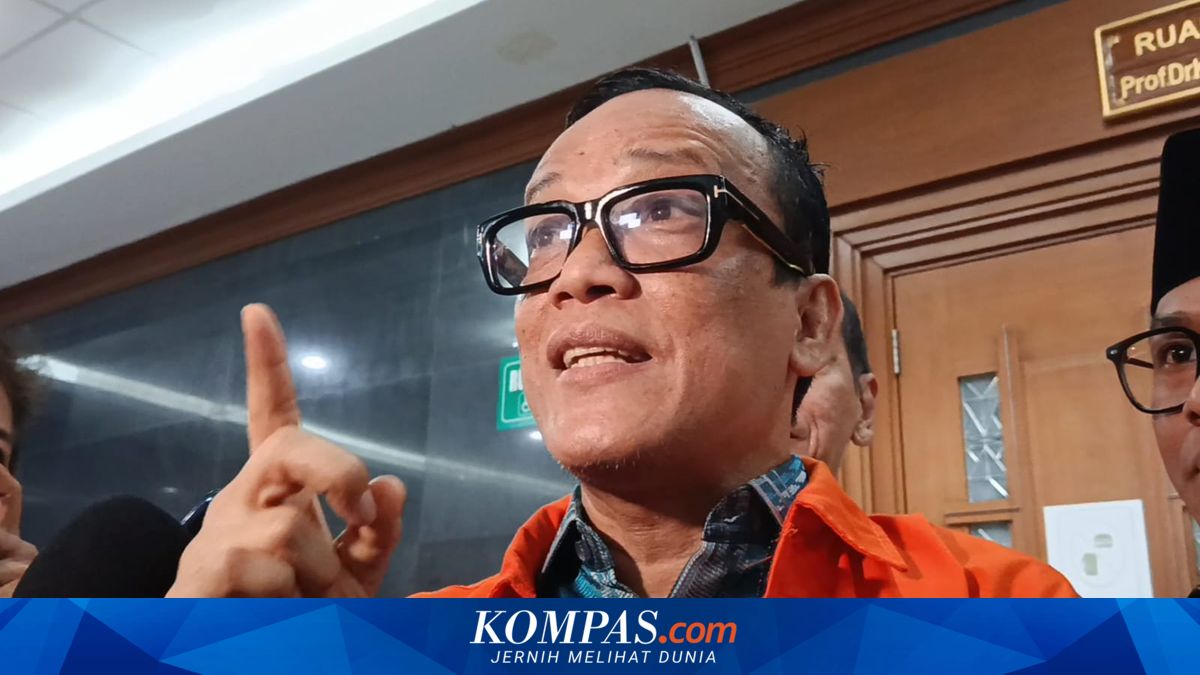
JAKARTA — Former Deputy Labour Minister Immanuel Ebenezer Gerungan, alias Noel, is alleged to have been in the wrong place and time when entangled in a corruption case concerning the issuance of Occupational Safety and Health (K3) certificates.
In his defence statement, Noel’s legal team asserted that he was not the one who created the corrupt practices in the issuance of K3 certificates.
‘Our client was in the wrong place and time, present within a bureaucratic system already contaminated by chronic corrupt practices long before his tenure,’ said Noel’s legal team during the plea hearing at the Jakarta Corruption Court on Monday, 25 May 2026.
They stated there is no evidence showing Noel knew about or controlled the bribery practices in the issuance of K3 certificates.
‘Labeling our client as involved in bribery practices for issuing K3 certificates is a flawed and forced legal construction,’ said the legal team.
According to them, Noel is instead a victim of a bureaucratic system that was already problematic before he assumed the role of Deputy Labour Minister.
‘How can the bribery involving non-technical funds that occurred from 2012 until September 2024 (long before defendant Immanuel Ebenezer Gerungan became Deputy Minister) be treated as if it was a caught-in-the-act (OTT) operation?’ they said.
Noel’s legal team also highlighted the formation of public opinion since the case began.
They argued that the term ‘caught-in-the-act operation’ (OTT) communicated to the public has created a negative stigma against Noel before the court proceedings concluded.
They said the practice of ‘trial by public opinion’ has shifted the focus from legal evidence to public perception.
Noel’s legal team urged the panel of judges to rule objectively based on court facts, not public opinion pressure.
‘Justice must not be determined by opinions formed in the public sphere, but must arise from a fair, objective judicial process grounded in law,’ they said.