
Justice Collaborator Status of Sony Sonjaya Must Be Rigorously Tested
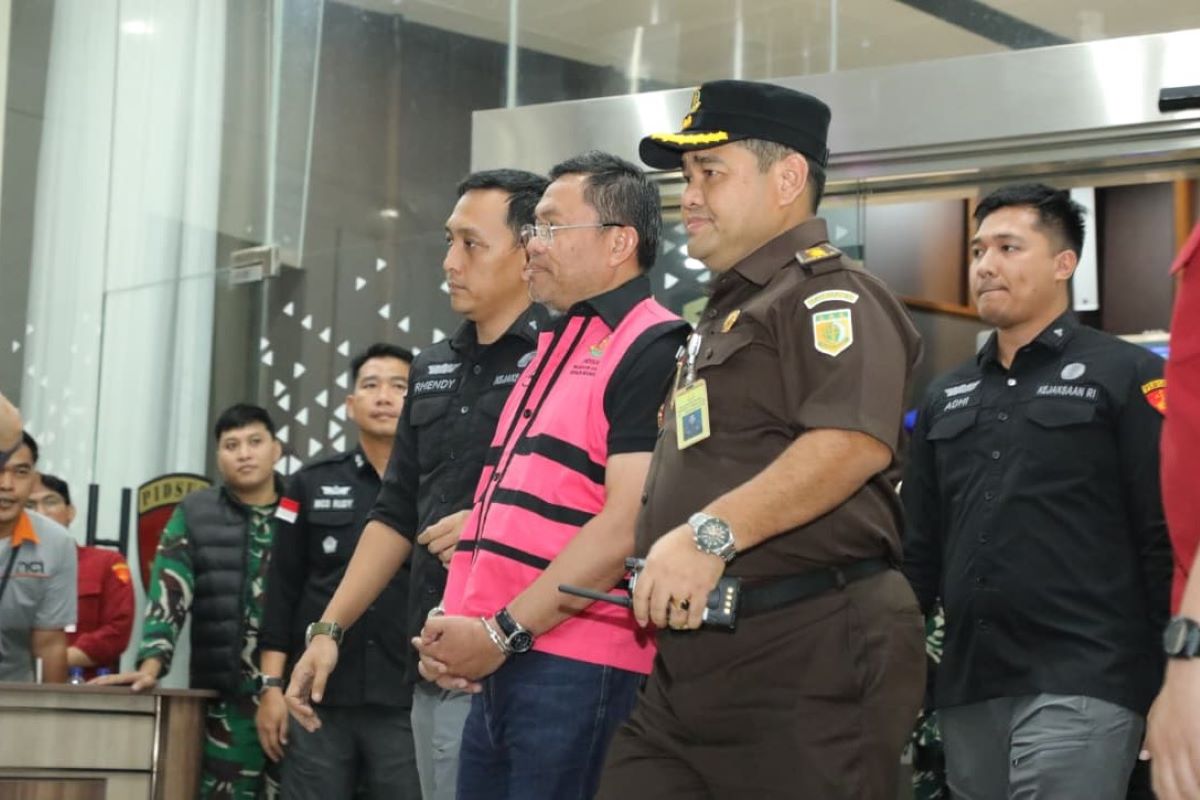
Criminal law expert from the University of Muhammadiyah Jakarta (UMJ), Ibnu Sina Chandranegara, has stressed that the application for justice collaborator (JC) status submitted by former Deputy Head of the National Nutrition Agency, Sony Sonjaya, must be rigorously tested. This is crucial as it concerns the quality of evidence presented in court.
“Granting JC status must not be based solely on the suspect’s confession or cooperative attitude. Law enforcement officials must ensure all substantive requirements are genuinely fulfilled before approving the application,” he said in a statement received by Media Indonesia on Friday (19/6).
Ibnu Sina explained that the justice collaborator mechanism in Indonesia has a clear legal basis, including Supreme Court Circular Letter Number 4 of 2011, a Joint Regulation of six law enforcement agencies, and Government Regulation Number 99 of 2012. Under these provisions, JC status can only be granted to a perpetrator who meets specific criteria.
However, Ibnu Sina cautioned that an error in granting this status could directly impact the judicial process. “If JC status is given to the wrong person, the risk is that the process of uncovering the case becomes incomplete and could mislead the direction of evidence,” said Ibnu Sina, who is also a Professor of Constitutional Law at UMJ.
He emphasised that the core essence of a justice collaborator is genuine cooperation, meaning collaboration that truly assists law enforcement in revealing the entire construction of the case, not merely an instrument to obtain a sentence reduction. “Sony Sonjaya’s JC application is important to ascertain whether the applicant is genuinely disclosing all known facts or is still withholding crucial information related to the case,” he stated.
Furthermore, he highlighted the risks that could arise if JC status is granted without in-depth verification, as testimony produced in court might not reflect the actual events. “This could become a serious problem in court because incomplete testimony can be exploited to weaken the prosecutor’s charges,” he said.
Beyond impacting the evidentiary process, Ibnu Sina also assessed that improperly granting JC status could potentially affect public trust in law enforcement institutions. “Public trust in law enforcement could be impacted if JC status is perceived to be granted without rigorous verification,” he noted.
He also affirmed that an error in determining justice collaborator status not only affects the individual concerned but can also open up debate regarding the construction of the case built by law enforcement officials. On that basis, he stressed that every JC application, including the one submitted by Sony Sonjaya, must be thoroughly tested based on the legal facts revealed during the investigation and trial process. “The justice collaborator instrument must be used selectively so that its primary objective, namely assisting in the effective and credible uncovering of criminal acts, is truly achieved,” he asserted.