
Just One DNA Sample Needed: Forensic Doctor Reveals How to Unmask Sexual Violence Perpetrators
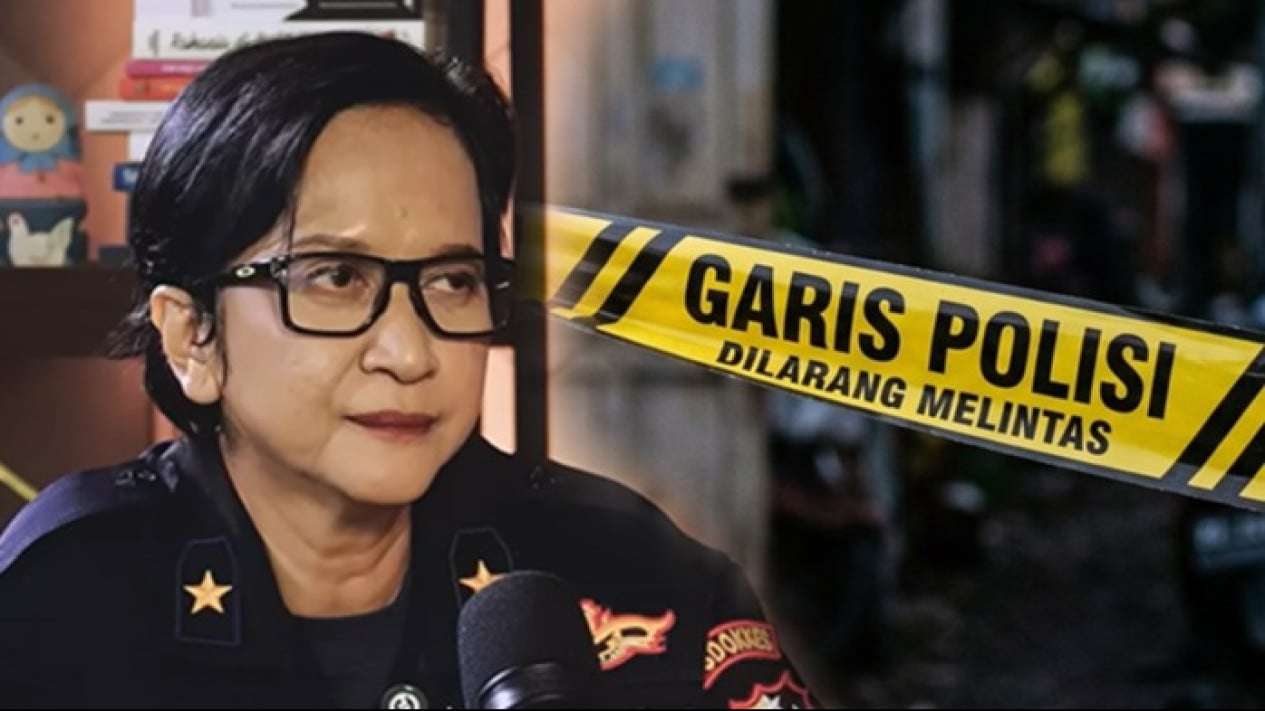
VIVA – Forensic expert dr Sumy Hastry Purwanti has revealed that DNA can help forensic teams and investigators identify perpetrators of sexual violence.
Cases of sexual violence are widespread in Indonesia, and to trace the perpetrators, the police require certainty from a range of data.
One method is to search for DNA on the victim’s body, a task carried out by the forensic team.
According to dr Sumy Hastry, DNA can come in the form of skin tissue, blood, saliva, hair and bodily fluids.
Just like a fingerprint left on a table or lipstick marks on a glass, these can all be used as DNA samples.
“DNA will remain attached unless it is cleaned with water or anything else. If I touch a table like this, my DNA is already on it. If it is not cleaned, it will stay there,” said dr Sumy Hastry on the Kick Andy Show on YouTube.
All such DNA can survive for a long period if kept in dry conditions.
This is often what allows a case to be quickly solved. dr Sumy Hastry once uncovered a case of sexual violence on Morotai Island, North Maluku.
The forensic expert once carried out an exhumation — the opening of a grave — of a 15-year-old girl who had been raped.
At the time, investigators did not yet know who was behind the case but suspected those closest to the victim.
The victim had been buried behind the family’s house, after which dr Hastry and her team carried out the exhumation to perform an autopsy on the body.
“We opened the grave, I examined her, I performed the autopsy, I took samples from inside her genital area to the outside. It turned out there were still dried fluid remains inside containing the DNA of her stepfather,” she explained.
Even after two months of burial, the DNA could still be found because the grave was in dry soil and the body had not been washed or given a proper burial.
As a result, decomposition took a long time and the perpetrator’s DNA remained on the victim’s body.
Not only that, DNA can also be passed down to one’s descendants, such as children and grandchildren.
The senior police officer also once found other DNA on a victim’s body that matched the perpetrator’s grandfather.