
Just Intended to Visit Monas, Gunawan Returns with a Free Electric Motorbike
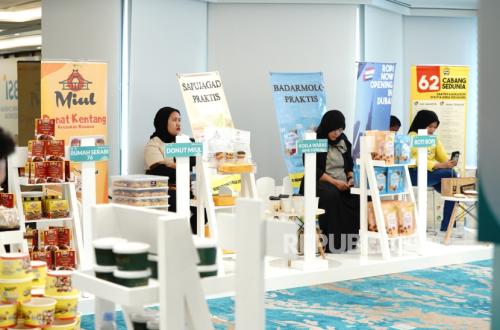
REPUBLIKA.CO.ID, JAKARTA – Saturday afternoon, 28 March 2026. The National Monument area, usually a respite from Jakarta’s hustle and bustle, suddenly turned into a sea of people. The aroma of bakso, rendang, and pempek wafted through the air, mingling with the laughter of children running between vendors’ stalls. On stage, the band Wali performed songs that nearly everyone present knew by heart. Amid the crowd, a sanitation worker in an orange uniform stood with teary eyes, clutching the keys to an electric motorbike he had just won in a doorprize draw. That was the face of Bazar Rakyat Monas, an idea from President Prabowo Subianto that in one day delivered more than mere economic transactions. Gunawan Ipang came from Cilandak Timur, South Jakarta. He arrived at 1:00 p.m., not because he knew he would win anything, but because there was no other place more appealing to spend such a day. As a member of PPSU, the “orange troops” who sweep Jakarta’s streets every morning long before the city awakens, luxury is not a familiar word in his life. So when his name was called as the winner of the electric motorbike, the words that came from his mouth were the simplest and most sincere anyone could utter. “Thank you, President, now I can sweep without getting tired. I’m happy, so very happy,” said Gunawan, who that day went home with the electric motorbike, a sembako package, and a Muslim shirt. Similar joy touched Diana, a South Jakarta resident, who also won an electric motorbike in the draw. “The feeling is so happy. I didn’t dream of getting a motorbike. Alhamdulillah, great job, Pak Prabowo,” she said. That day, 100 electric motorbikes and 1,000 bicycles changed hands through the draw. Not insignificant numbers. And behind every key handed over, there was a small story about an ordinary person returning with something they did not imagine when they set out in the morning. However, Bazar Rakyat Monas was not just about those who won the draw. It was also about those who traded, who from the early hours had been mixing dough, slicing meat, and arranging their wares in the hope that today would be a little better than yesterday.