
Juleha play a crucial role in ensuring sacrificial slaughter adheres to Islamic law
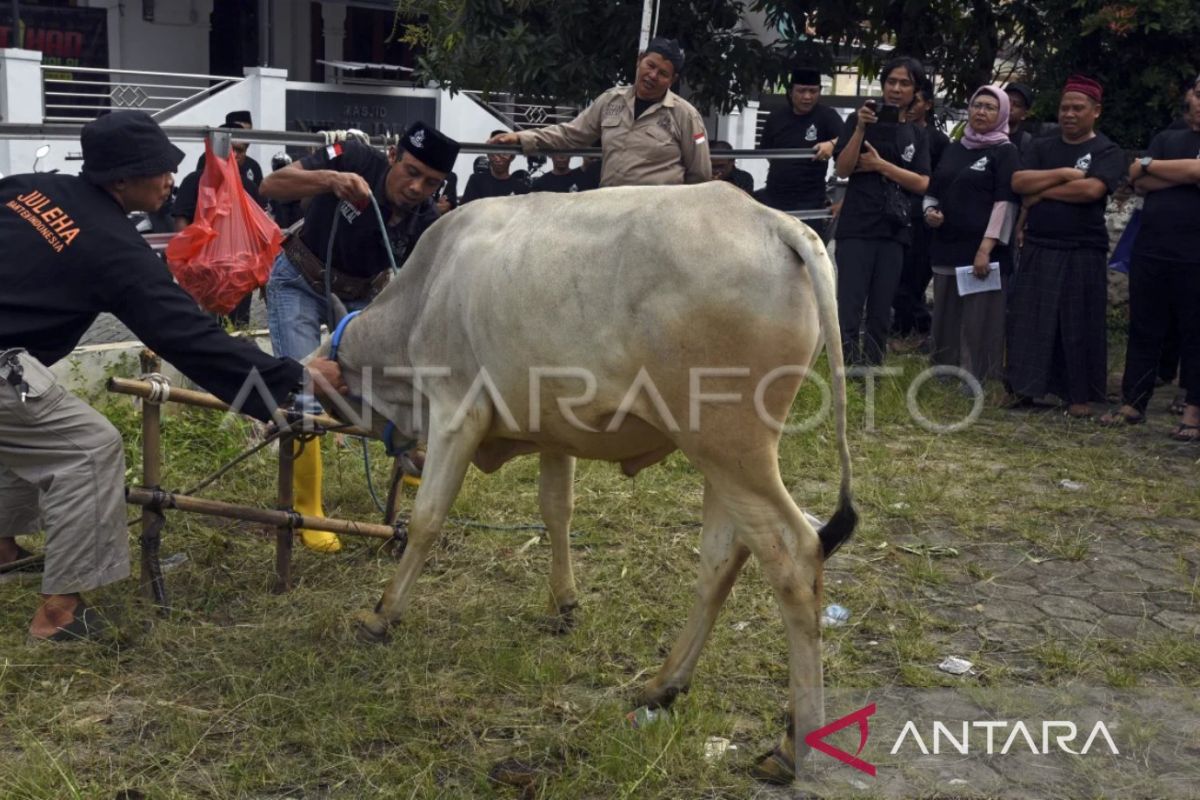
Jakarta (ANTARA) - The Food, Drug, and Cosmetic Examination Agency (LPPOM) emphasises that halal slaughterers (Juleha) play a crucial role in ensuring the sacrificial animal slaughter process adheres to Islamic law and meets hygiene standards. “Juleha must understand the proper halal slaughter procedures and possess technical skills to ensure the process is swift, precise, and minimises animal suffering,” said Raafqi Ranasasmita, VP Corporate Secretary of LPPOM, in Jakarta on Tuesday. He added that the role of Juleha extends beyond the slaughter process to include understanding animal handling prior to slaughter. He noted that Eid al-Adha serves as a reminder that the sacrificial ritual must not only comply with religious requirements but also address hygiene, food safety, animal welfare, and environmental concerns. These steps are critical to ensure the entire sacrificial process is carried out professionally, producing safe, healthy, intact, and halal (ASUH) food products. He explained that a proper sacrificial process must be comprehensive, from animal handling and slaughter to meat processing and waste management. “All these stages are vital for maintaining the quality, cleanliness, and halal status of sacrificial meat,” he said. During skinning, cutting, and meat distribution, Raafqi stressed the importance of applying hygienic principles to prevent cross-contamination. He also highlighted the excessive use of single-use plastic bags during meat distribution, urging a shift towards reducing such plastics. Natural packaging like leaves or bamboo baskets offers more environmentally friendly and food-safe alternatives. Using bamboo baskets, banana leaves, teak leaves, or reusable containers not only reduces plastic waste but also supports local micro, small, and medium enterprises (MSMEs) and sustainable traditional packaging. Beyond halal and hygiene standards, slaughter waste management must be addressed to prevent environmental and waterway pollution. “Halal and hygienic sacrificial practices must align with environmental care. Therefore, collaboration among sacrificial committees, slaughterers, local governments, and communities is essential to ensure orderly, safe, healthy, and eco-friendly observances,” he said.
Source: jawawa.id (https://jawawa.id/newsitem/juleha-play-a-crucial-role-in-ensuring-sacrificial-slaughter-adheres-to-islamic-law-1779922978)
Originally published by Antara (Indonesian) (https://www.antaranews.com/berita/5583517/juleha-berperan-penting-pastikan-penyembelihan-kurban-sesuai-syariat), translated from Indonesian