
Judge Should Not Have Allowed This Testimony from Nadiem's Witness in Chromebook Trial
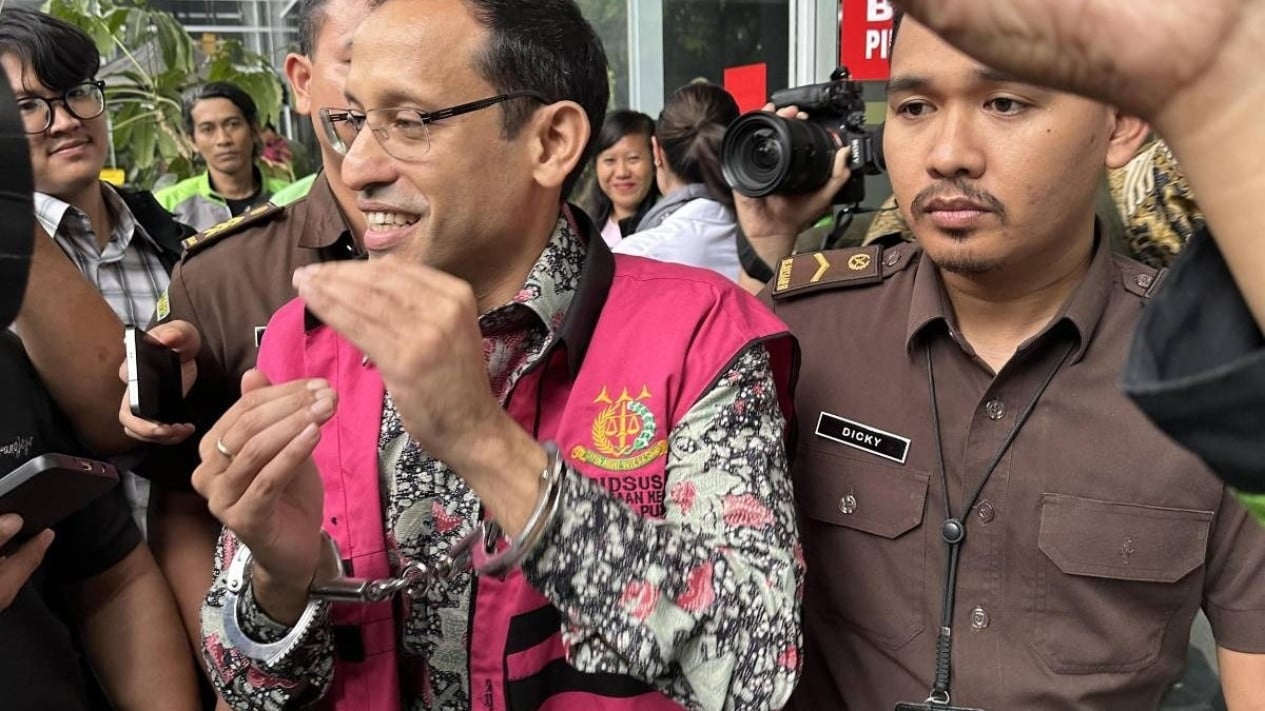
Jakarta, VIVA - The trial regarding the alleged corruption in the procurement of Chromebooks at the Ministry of Education, Culture, Research, and Technology (Kemendikbudristek) continues to unfold.
In the proceedings, the defendant, former Minister of Education Nadiem Makarim, presented three witnesses from Google Asia Pacific via video link from Singapore. One of them was Scott Beaumont, the former President of Google Asia Pacific.
The remote testimony has attracted scrutiny. Kamilov Sagala, Chairman of the Indonesian Information Technology Advocates Association (Peratin), believes the panel of judges should not record the statements of these witnesses as fully valid evidence because they were not present directly in the courtroom.
“The panel of judges can read and consider that these mitigating witnesses lack full testimonial value,” said Kamilov on Tuesday, 21 April 2026.
According to him, the presence of witnesses virtually from abroad does not automatically benefit the defendant. Conversely, if witnesses appear in person at the trial, their statements can be assessed more positively by the panel of judges.
“In fact, if mitigating witnesses appear in person, that can be considered a positive aspect of their testimony,” he stated.
Kamilov views the step of presenting witnesses virtually as potentially categorised as contempt of court, as it is seen as disrespectful to the trial forum and the court’s authority.
He added that if the witnesses are indeed cooperative, they should be able to appear in person in Jakarta. Moreover, the distance from Singapore to Indonesia is relatively short with a brief travel time.
“The value of their testimony does not yet hold weight in the eyes of the panel of judges, because it is not properly conducted by giving testimony directly in the courtroom attended by all parties, such as the judges, prosecutors, defence, defendant, and the public present,” he said.
Meanwhile, Prosecutor Roy Riady also expressed objections to the witness examination procedure. According to him, the defendant’s legal counsel did not follow the proper legal procedures.
“Based on Article 65 of the Criminal Procedure Code, the determination by the panel of judges should be submitted to the public prosecutor for execution, but the lawyers did not provide that determination letter, so the prosecutor did not receive official administrative notification,” said Roy.
He explained that the prosecutor had requested a postponement of the trial so that the examination of witnesses in Singapore could be supervised by local law enforcement authorities to maintain inter-state relations, following objections through the Embassy of the Republic of Indonesia (KBRI) in Singapore.