
Joy for Risti: Daughter of Kulon Progo Project Labourer to Study for Free at UGM
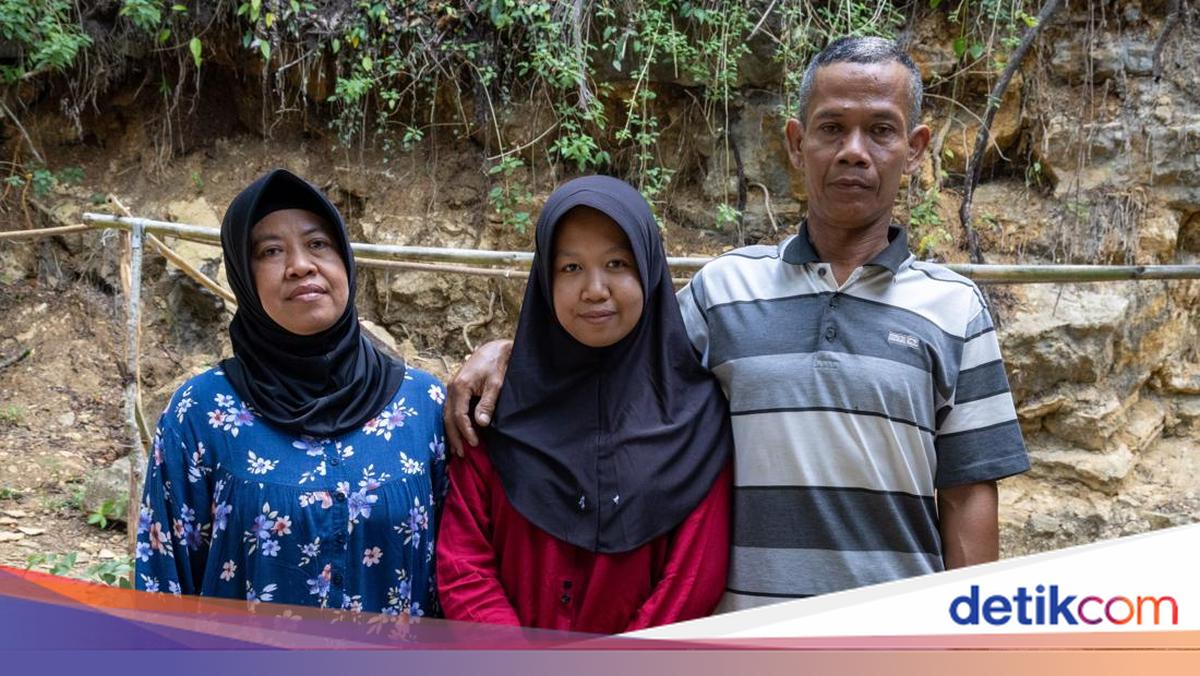
The increasingly high cost of education in Indonesia has not dampened the spirit of Ristiana Artanti (19). Armed with her achievements, the young woman from Karangsari, Kulon Progo, has been able to realise her dream of continuing her education to the tertiary level. Risti was accepted into the Health Information Management Study Programme at the Vocational School of Universitas Gadjah Mada (UGM) through the National Selection Based on Achievement (SNBP) pathway. Not only did she get in without a test, but she also obtained a 100 per cent Subsidised Superior Education programme, or zero UKT, allowing her to study for free.
This opportunity for a free education left Risti beaming. Previously, her family’s economic situation had made her worry that she would not be able to continue her education. Her father, Rubikan (47), works as a project labourer with an uncertain income. Meanwhile, her mother, Winarni (47), is a housewife who previously worked as a domestic helper.
Regarding her feelings, Risti confessed she was bewildered and still could not believe God had given her an opportunity she never thought would allow her to enter Universitas Gadjah Mada. Her interest in the world of health led Risti to choose the Health Information Management Study Programme. Before being accepted at UGM, she was known to be active in various school activities, including the marching band extracurricular at SMA Negeri 1 Wates. With the marching band team, Risti achieved several accolades, from overall champion at the district level to provincial level champion. Despite being active in non-academic activities, she strived to maintain her academic performance by managing her time with discipline. She always disciplined herself in dividing her time so that extracurricular activities did not disturb her academics.
Behind this success lies the tremendous support of both her parents. Despite living with limitations, they endeavoured to support their only daughter’s aspirations to pursue education. Winarni admitted she was previously overcome with worry when Risti expressed her desire to attend university. The family’s economic condition made her hesitate about her child’s education. She recalled thinking, when her daughter voiced her wish to study, whether they could fund it given their difficult economic situation, where sometimes there is money and sometimes there is not, and being able to eat three times a day is already a blessing. However, Winarni did not want her own past experience to be repeated with her child. She admitted she was unable to continue her own education due to financial constraints. Therefore, she chose to support Risti’s wish to attain the highest possible education. She felt her daughter had achievements at school and good grades, and if she did not support her, she would be reminded of her own past, where she wanted to continue schooling but could not because her parents were truly unable. She resolved that her child should not be like her, but should be able to have a better life.
A similar sentiment was expressed by Rubikan. The man, who has worked as a project labourer since 1995, admitted he had never imagined his daughter could be accepted at UGM. He said he never thought his child could enter UGM, especially since the parents did not go to school, yet the child could. Now, on the eve of starting her studies, Risti is looking forward to the future she has long dreamed of. She hopes the knowledge gained during her studies can be used to help the community by improving health services. She said she already imagines that after graduating she will work at a community health centre and also at hospitals, possibly in remote areas, to improve the quality of service in the community.