
Journalists behind the Proclamation of Independence
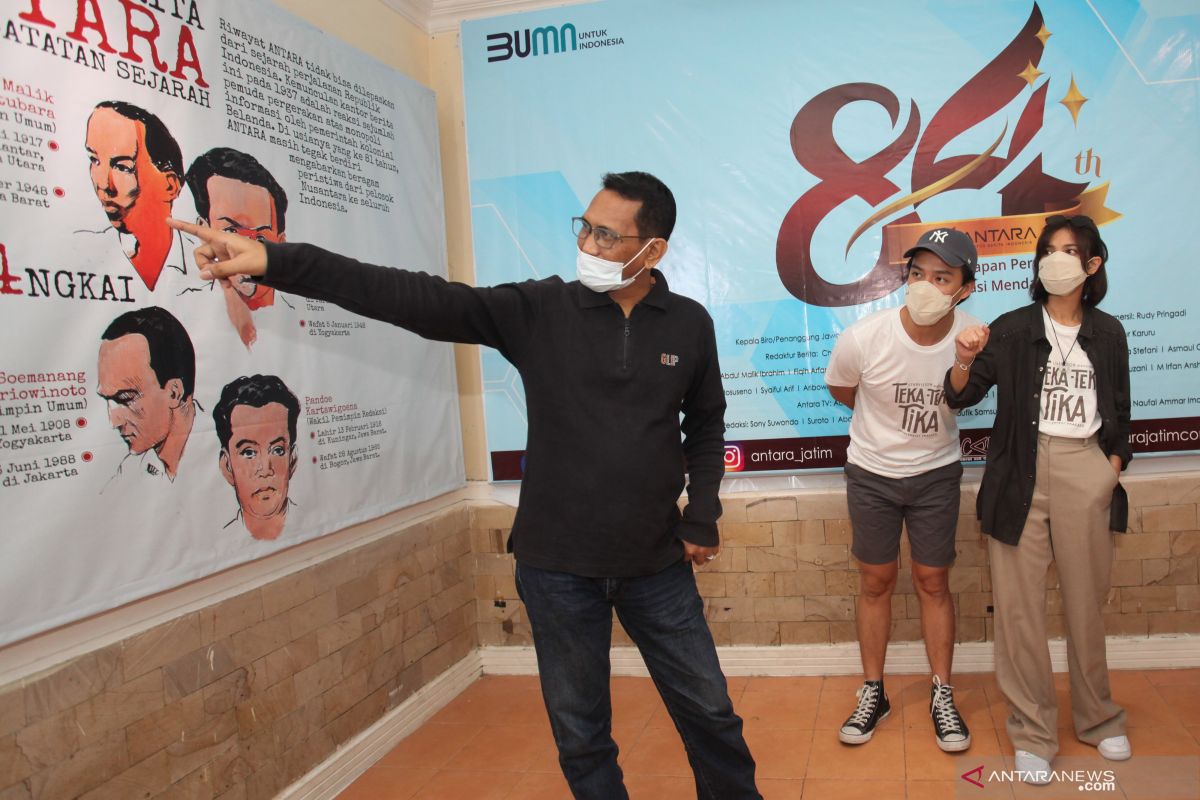
Jakarta (ANTARA) - Almost no historical trace of the heroism of the Arek-Arek Surabaya in fighting the Allies, whether in broadcasting or defending the proclamation of independence, escaped the testimony of reporters from the ANTARA National News Agency (LKBN) Surabaya Bureau.
The data-based testimony voiced by journalists to the public includes the dissemination of the 1945 Proclamation of Independence text. Moreover, at that time there were only two mass media outlets in Indonesia, namely Asia Raya in Jakarta and Soeara Asia in Surabaya, both of which were also partners of the ANTARA News Agency.
The momentum of proclaiming independence became a golden opportunity after news spread that Hiroshima and Nagasaki had been bombed by the Allies. The news marked the end of World War II, which had been ongoing since 1939, after Japan surrendered unconditionally on 15 August 1945. This was a precious moment before European nations returned to colonise.
Initially, Soekarno, Mohammad Hatta, and Radjiman Wedyodiningrat, as representatives of PPKI, met with the Supreme Commander of the Japanese Army in Southeast Asia, Hisaichi Terauchi, in Dalat, Saigon. They proposed that the proclamation be held on 25 August 1945, and the Japanese official acquiesced. However, the implementation of the proclamation was ultimately accelerated after the certainty of Japan’s surrender on 15 August 1945 spread.
The book Catatan Politik Pengalaman Wartawan ANTARA (Ismet Rauf and Saleh Danny Adam, 2002) records that the plan to disseminate the news of the Proclamation of Indonesian Independence to the whole world was led by Adam Malik (founder of LKBN ANTARA). He dictated the text from a hiding place because he was being pursued by Japanese soldiers.
Adam Malik Batubara was a 28-year-old journalist at the time of independence, who became the first ‘mouthpiece’ for spreading the news of Indonesian independence after the proclamation text was read by Soekarno. The 3rd Vice President of the Republic of Indonesia began his career at a young age with sheer nerve and journalistic connections, starting from ‘information guerrilla’ work akin to a media intern who dared to take risks.
Adam Malik was assisted by Pangulu Lubis, the only person at ANTARA who received a direct instruction: ‘Prepare to broadcast an important piece of news.’ After the text was read by Soekarno, Adam Malik telephoned the ANTARA office. The call was received by Asa Bafaqih, who was then asked to convey a message to Pangulu Lubis: ‘Do not fail.’
Pangulu Lubis then sent the text to the radio section by slipping it into the Domei morse-cast among news items that had been stamped with the Hodohan (censor) mark. Radio operator Soegirin ensured that the proclamation text continued to be broadcast, while radio operator Wua was tasked with transmitting it. From here, the news of the Indonesian Proclamation spread widely to various regions and the international world.
The work of ANTARA News Agency journalists around the proclamation had actually begun on 10 August 1945, or one day after the second atomic bomb was dropped on Nagasaki and killed 70,000 people.
On that date, two Japanese officials together with Mochtar Loebis (who later joined ANTARA in early 1946) came to the workspace of Waidan Barnabas Palenewen (who joined ANTARA/Domei in 1942) as Head of the Radio Section of the Domei News Agency.
They requested that four radio operators be assigned to the Japanese army news monitoring post, with the condition that they were not allowed to go home (based on notes from former Central LKBN ANTARA Editor, Boyke Soekapdjo, 27 July 2026).
Besides Adam Malik, Pangulu Lubis, Mochtar Loebis, and other ANTARA staff, there was also a Domei journalist named B.M. Diah. He was instrumental in saving the original handwritten proclamation text by Soekarno, which was nearly thrown into the rubbish bin after being retyped by Sayuti Melik. He kept the historic document safe for 40 years before finally handing it over to the government.
Another journalist behind this important event was Muhammad Yusuf Ronodipuro, who broadcast the news of independence via radio under the tight guard of Japanese soldiers. As part of the youth movement group Asrama Menteng 31 Jakarta, Yusuf Ronodipuro risked his life to ensure that the news of independence reached the ears of the people through illegal radio broadcasts.