
Jokowi's Political Safari Seen as Targeting Swing Voters
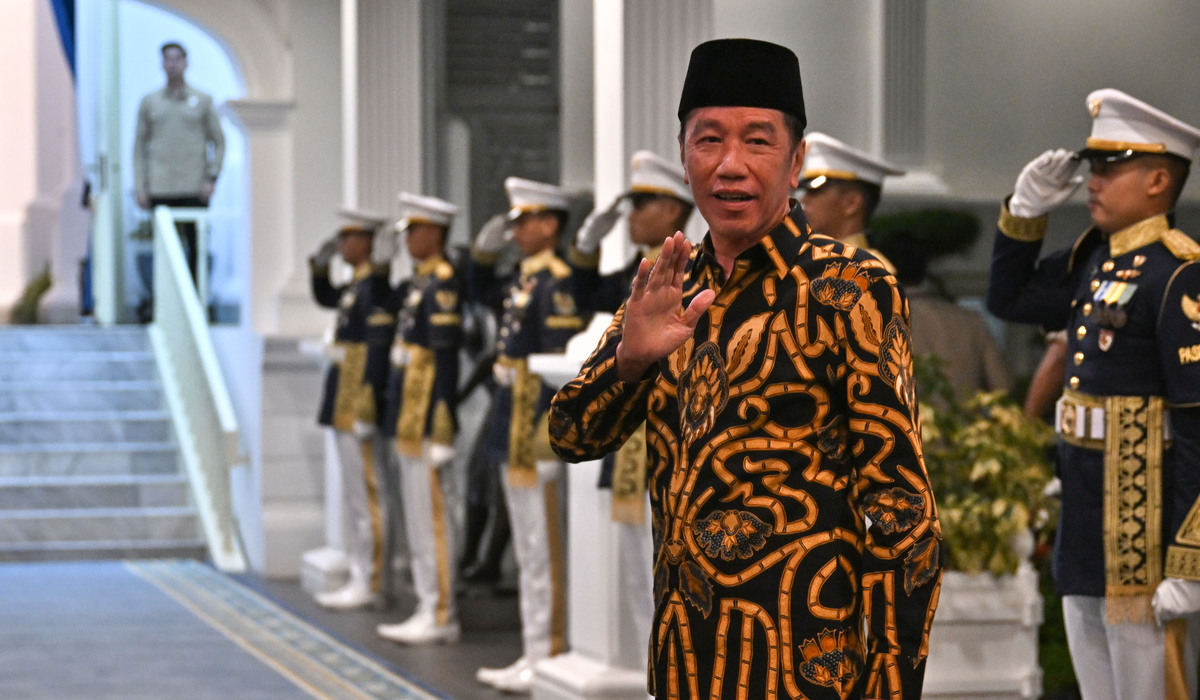
Political analyst Ray Rangkuti has stated that the political safari of seventh President Joko Widodo (Jokowi) still holds sway over national political dynamics. Although no longer in office, Jokowi’s popularity and electability are considered political capital that can be leveraged to boost support for the parties he backs, including the Indonesian Solidarity Party (PSI). Rangkuti assessed that Jokowi’s current popularity level remains very high, almost on par with President Prabowo Subianto, meaning his political influence would be quite significant if an election were held in the near future. “Pak Jokowi’s electability is indeed still quite good. If you look at popularity, Pak Jokowi’s popularity is almost equal to Pak Prabowo’s,” Rangkuti said when contacted on Monday (29/6). He believes this popularity could potentially provide an electoral advantage for PSI. However, he cautioned that there are still about three and a half years until the 2029 General Election, so the ability to convert popularity into actual votes remains to be proven. “If asked now whether Pak Jokowi’s popularity has enough influence on PSI, if the election were held now, it would be quite influential. But we still have 3.5 years to see the extent of his supporters’ ability to mobilise that popularity and electability into votes,” he said. Rangkuti assessed that Jokowi’s political safari is not aimed at seizing loyal voters from the Indonesian Democratic Party of Struggle (PDIP). Instead, the main target is voters who left PDIP in the 2024 election and have not yet settled on a new political choice. He believes the chance of voters switching from PDIP is currently relatively small. On the contrary, the bull-headed party actually has an opportunity to win back its former supporters if the Prabowo administration’s performance fails to meet public expectations. Beyond targeting former PDIP voters, Rangkuti believes Jokowi is also courting voters from other nationalist parties who are beginning to feel dissatisfied with the current government. He estimates that if these targets are met, PSI could secure around 6 to 7 percent of the national vote. The additional votes are expected to come from three groups: former PDIP supporters still seeking a new choice, voters from parties supporting Prabowo who are becoming disillusioned, and voters in Java regions with a Nahdlatul Ulama (NU) background. He added that if this shift in votes materialises, nationalist parties such as Golkar, Gerindra, PKB, and NasDem would likely be the most affected.