
Joining ASEAN Smart Cities, Denpasar Prepares Blockchain QR System for Hotel Guests
Denpasar has become one of six Indonesian regions included in the ASEAN Smart Cities Network (ASCN), alongside Jakarta, Makassar, Semarang, Banyuwangi, and Sumedang. In developing the tourism sector, the Denpasar City Government proposes a plan to implement blockchain technology to protect the personal data of tourists.
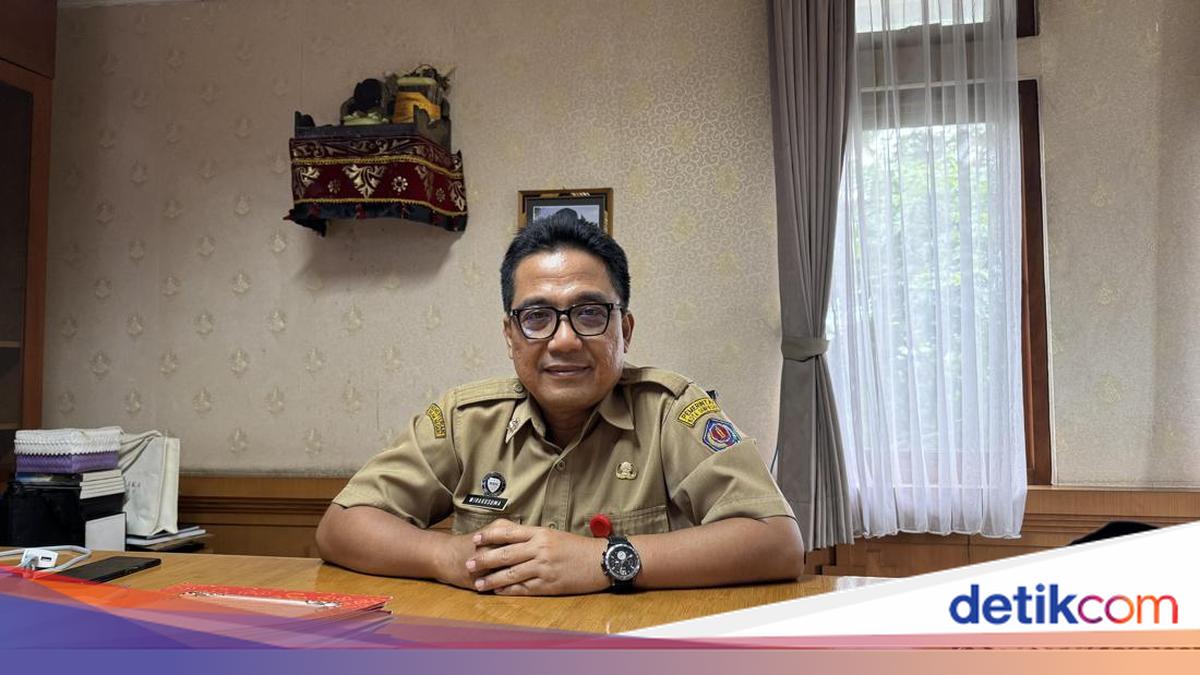
The Head of the Denpasar City Communication, Informatics, and Statistics Office (Diskominfos), Gde Wirakusuma Wahyudi, stated that blockchain technology is designed to improve the security of hotel guest data. “In tourism, what we are currently promoting is the use of blockchain technology for personal data protection. For example, tourism requires the submission of identities; we fear leaks, which could lead to customer complaints,” Wahy ประสงค์ said during an interview on Monday (18/5/2026).
According to Wahyudi, the plan is still in the discussion stage and requires a long process before full implementation. He noted that the application of this technology faces several challenges, particularly regarding the readiness of tourism businesses and supporting regulations. “The journey is still long. Large hotels might be able to implement it, but for small hotels, we cannot guarantee they can follow these provisions. This project still requires regulation, planning, and budgeting,” added Wahyudi.
Conceptually, blockchain technology will be applied through a QR code system for hotel guest registration. Visitors’ identity data will be encrypted into unique codes that can only be verified using specialised scanning tools. On one hand, the data will be stored on a dedicated server, ensuring that hotels cannot access it directly. Wahyudi compared this system to the airport check-in process, where QR codes on boarding passes serve as passenger departure permits. “Hotels only need to provide a machine that connects data to be encrypted into a QR code. Data from Family Cards (KK) and National ID Cards (KTP) will become a QR code. It cannot be read unless scanned, and it cannot be saved locally. It will be stored on a special server where access is only permitted by the data owner.”
Regarding the response to digitalisation, Wahyudi noted that high community mobility increases the demand for digital services. One such service developed by the Denpasar Government is Denpasar Prama Sewaka (DPS), an integrated service platform for various public needs, ranging from population administration to health and tourism services. “Digital literacy in Denpasar is quite high. About 80 per cent of Denpasar residents are connected to the internet, and 90 per cent of that group uses the digital world to seek information,” explained Wahyudi.
Through the DPS service, citizens no longer need to visit offices in person. The government has collaborated with Gojek and Grab to deliver population documents directly to residents’ homes. Furthermore, Diskominfos Denpasar regularly conducts digital literacy education for various groups, including students, teachers, the elderly, and youth communities.
The Denpasar Smart City project covers six main dimensions: Smart Society, Smart Economy, Smart Governance, Smart Branding, Smart Living, and Smart Environment. The concept aims to provide innovations to meet the living needs of the Denpasar community. For instance, under Smart Society, there is Graha Nawasena, a training centre for vulnerable groups offering computer, cooking, and music classes. Under Smart Economy, there is the revitalisation of traditional markets into modern spaces featuring lifts, WiFi, and electronic transactions. Smart Governance focuses on the DPS integrated service, while Smart Branding highlights creative festivals like Denfest. Smart Living prioritises direct public services such as community health centres (Puskesmas), and Smart Environment includes the SiDarling environmental awareness information system.