
Johan Rosihan Urges Anticipation of Food Crisis: The World is Not Normal
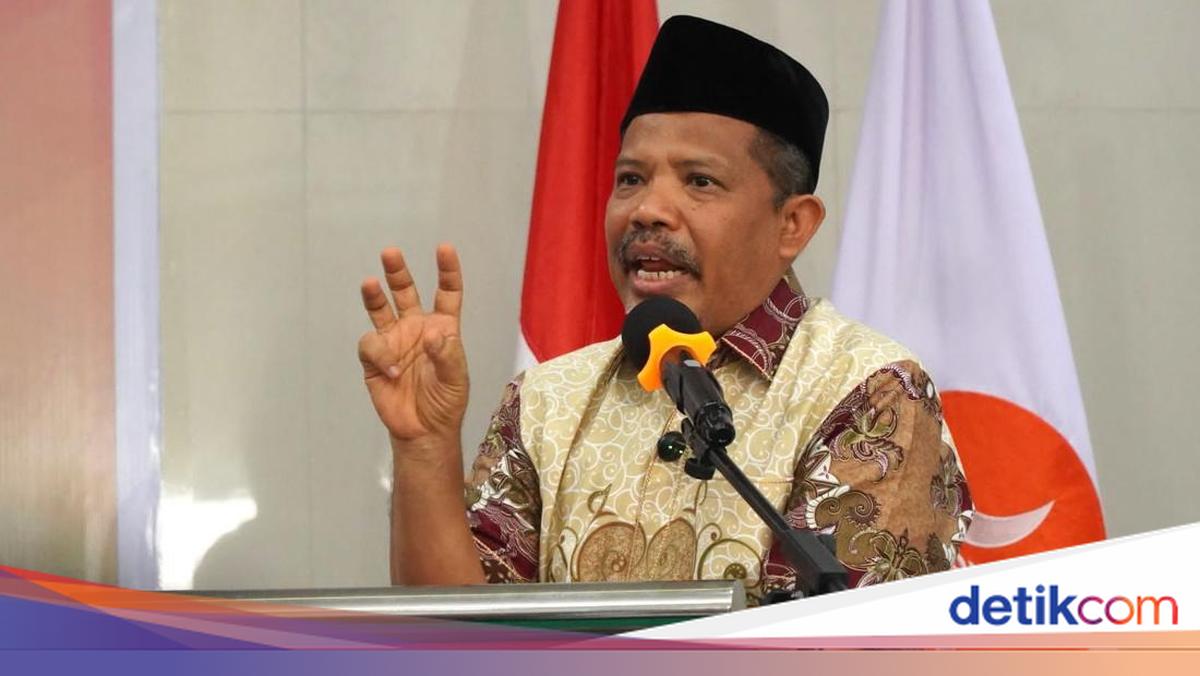
Member of the Indonesian House of Representatives Commission IV, Johan Rosihan, has reminded the government not to manage the food sector with a conventional approach amid rising global geopolitical tensions, particularly the escalation of the Iran-Israel-US conflict that impacts energy, fertiliser, and food supply chains.
“The world is not normal, but the way we manage food still feels normal. This is dangerous,” Johan stressed in his statement on Tuesday (7/4/2026).
The statement was delivered by Johan during the Working Meeting and Hearing with Commission IV of the House of Representatives alongside the Ministry of Agriculture, National Food Agency, Perum Bulog, and state-owned food enterprises in Jakarta on Tuesday (7/4).
He reminded that food security cannot be sufficiently measured by current stock conditions, even though the government has reported surpluses and relatively safe rice availability. According to him, the main threat lies in the national food system’s ability to withstand rapid global shocks.
“Our problem is not just today’s stock, but the system’s resilience going forward. If there is a global disruption in energy, fertiliser, and logistics, the impact will immediately be felt in domestic food prices,” he said.
Johan assessed that Indonesia is currently at risk of facing a more complex crisis scenario, namely simultaneous pressures from global conflicts, rising energy and fertiliser costs, and potential production disruptions due to climate factors such as El Niño.
“If these three pressures occur simultaneously, we could face significant food price increases in the coming months. The state must act faster before that happens,” he said.
In the meeting, Johan conveyed three urgent strategic steps for the government to take. First, the formation of an integrated national food crisis command across sectors capable of working in real-time to respond to dynamics in prices, stocks, and distribution.
Second, securing the upstream sector, particularly the availability of fertiliser and production inputs, to ensure the sustainability of food production amid potential cost increases due to global pressures.
Third, strengthening food reserves not only for rice but also for other strategic commodities such as corn, soybeans, and animal protein, given Indonesia’s high dependence on imports for several of these commodities.
Johan also highlighted ongoing price fluctuations in the field as an indicator that food issues are not solely about availability but also about distribution and the effectiveness of stabilisation.
“Stocks may be safe on paper, but if prices in the field are still volatile, it means our system is not fully ready,” he said.
Furthermore, he emphasised that the government must prioritise a proactive, rather than reactive, approach in maintaining national food security. According to him, modern food crises no longer start from the fields but from global dynamics that affect the entire supply chain.
“Don’t wait for prices to rise before acting. If the state is late, the people will feel the impact first,” said Johan.
He concluded by stressing that food security is part of national sovereignty that must be safeguarded through swift, integrated policies based on accurate reading of global risks.