
JLL: Jabodetabek Warehousing Records Positive Performance in Q1
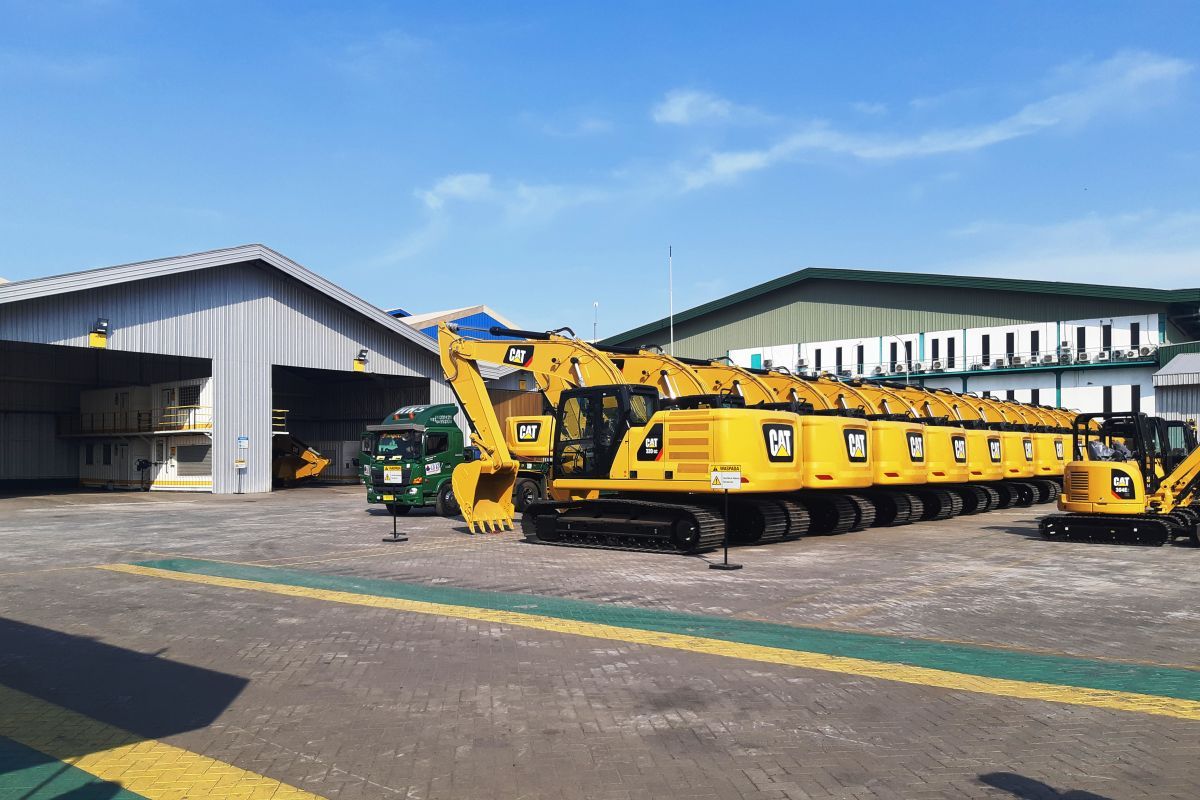
The modern warehousing sector in Jabodetabek recorded consistently positive performance in the first quarter of this year. Jakarta (ANTARA) - Property consultancy firm Jones Lang LaSalle (JLL) revealed that the modern warehousing sector in Jabodetabek achieved consistently positive performance in the first quarter of this year. “The modern warehousing sector in Jabodetabek recorded consistently positive performance in the first quarter of 2024, with a stable occupancy rate of 96 per cent,” stated Country Head and Head of Logistics & Industrial at JLL, Farazia Basarah, during a press conference in Jakarta on Tuesday. She added that this growth is driven by strong Chinese manufacturing investments, encompassing demand for modern warehousing, ready-to-use factory leases, and industrial land. “Due to investors, particularly from China, who want to start production or operations immediately by renting ready-to-use factories or modern warehouses. If they buy, they must go through about six months for purchase, then around 12 months for construction, so renting allows them to operate faster in three to six months depending on the permits required by the investors,” she said. On the pricing side, rental growth continued moderately. Premium projects with superior specifications, strategic locations, and offering flexibility are able to set premium prices, which then create a spillover effect on rental increases for warehousing in surrounding areas. “Demand remains dominated by the logistics and delivery services sector, followed by other sectors both from new market entrants and expansions of existing companies,” she said. Market dynamics, continued Farazia Basarah, are not only centred in Jabodetabek but also show demand in other cities such as Bandung, Subang, and Surabaya. “Overall, the modern warehousing and logistics sector has become the strongest performing segment in the property market during this period,” she stated. JLL also observes that demand from industrial zones is driven by data centre requirements, and this data centre demand is also increasing in terms of the land area needed.