
JK Says WFH Is Ineffective for Saving Budget, Here Is Why
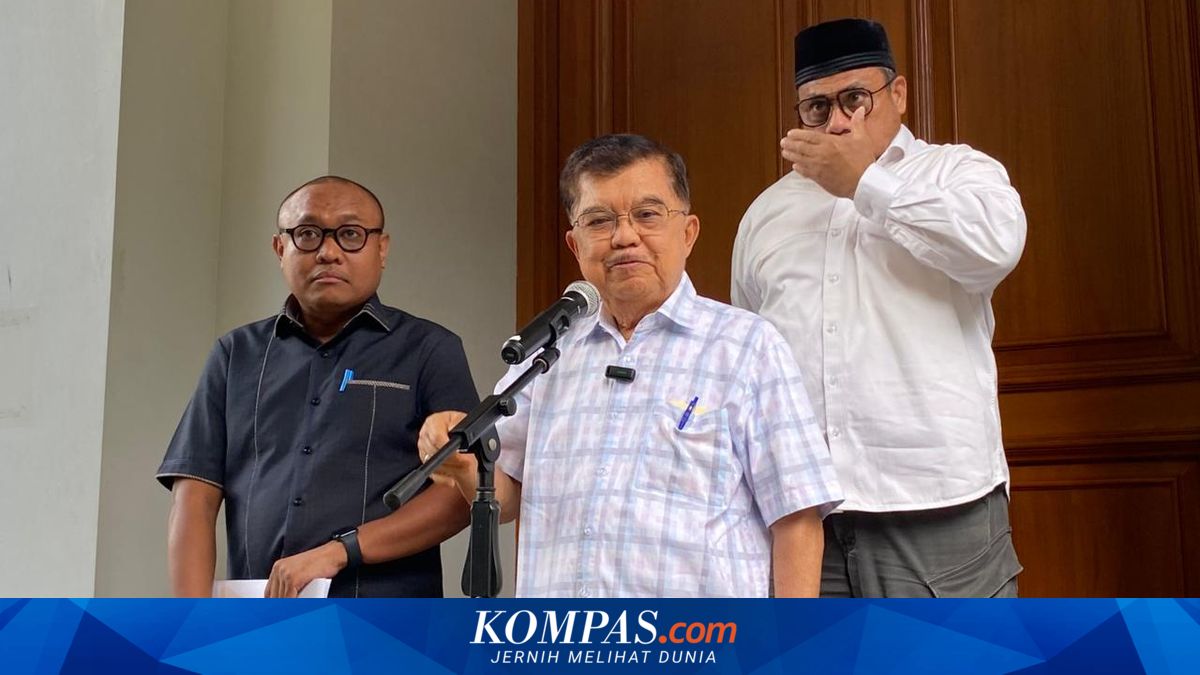
JAKARTA - The 10th and 12th Vice President of Indonesia, Jusuf Kalla (JK), stated that the work-from-home (WFH) policy is not effective in saving the State Revenue and Expenditure Budget (APBN), which is impacted by soaring global oil prices due to the Iran-Israel-United States conflict.
He explained that WFH could make civil servants (ASN) and private employees bored at home, leading to activities outside the home.
This would be counterproductive to the government’s WFH objectives, which aim to reduce public mobility and lower fuel oil (BBM) usage.
According to JK, the WFH policy should also be accompanied by a reduction in fuel oil (BBM) subsidies.
When subsidies are reduced and BBM prices rise, those working from home will think twice before leaving the house.
“That would be more effective than having everyone stay at home, but they go out anyway because after three days it’s a long weekend,” JK added.
This is because energy subsidies are increasing along with the rise in global oil prices due to the ongoing conflict in the Middle East.
He noted that many countries have already reduced subsidies to address potential domestic crises.
JK believes that maintaining BBM prices as they were before the Iran-US-Israel conflict would prevent the public from saving.
JK views an increase in debt as more dangerous in the long term. Ultimately, all Indonesians will feel the impact.