
Jewellery to Machinery Drives March 2026 Imports Surge to US$19.21 Billion, Up 1.51 Per Cent
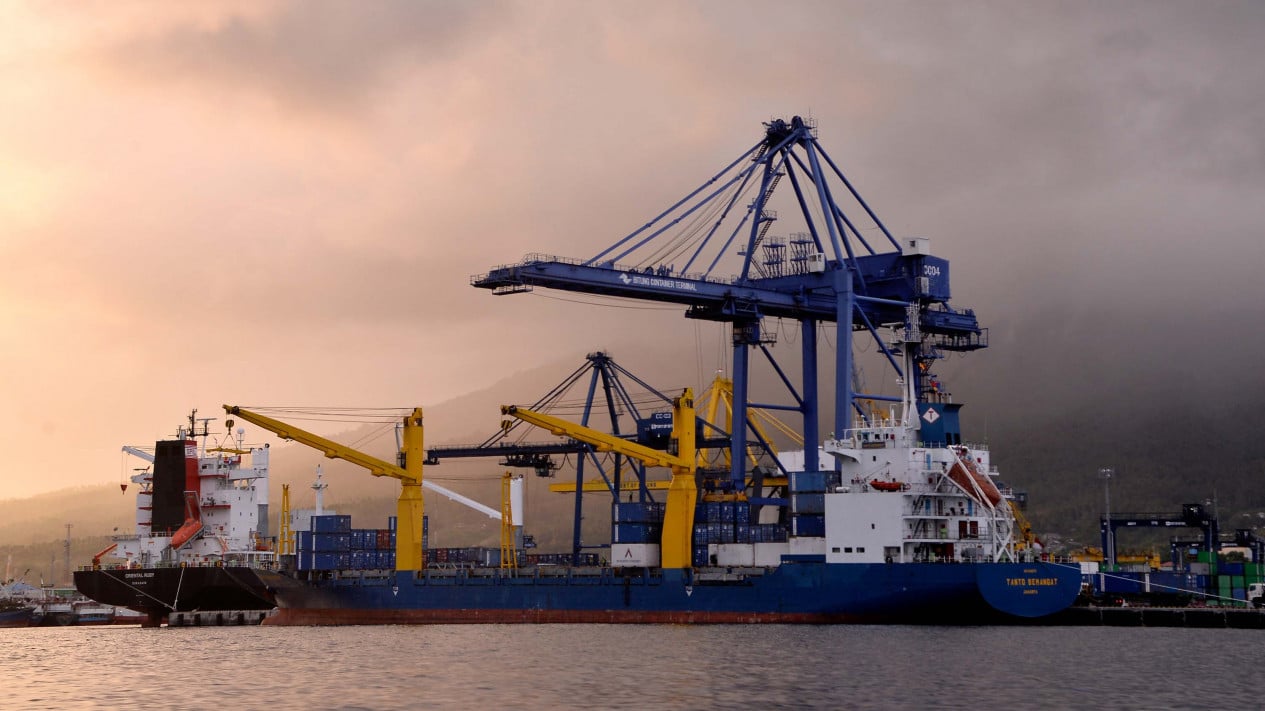
Indonesia’s Central Statistics Agency (BPS), through Deputy for Distribution and Services Statistics Ateng Hartono, reported that total imports in March 2026 amounted to US$19.21 billion, surging 1.51 per cent year-on-year compared to March 2025. The primary driver of this increase was the performance of non-oil and gas imports, which reached US$16.04 billion, growing 1.54 per cent. “The total import value in March 2026 was recorded at US$19.21 billion, up 1.51 per cent from the same period in 2025,” Ateng stated during a teleconference press briefing on Monday, 4 May 2026. He explained that this annual rise in import performance was mainly supported by non-oil and gas imports of US$16.04 billion, contributing 1.29 per cent to the total import increase. Meanwhile, oil and gas imports in March 2026 were recorded at US$3.17 billion, up 1.34 per cent year-on-year. Cumulatively, Ateng explained that imports from January to March 2026 totalled US$61.30 billion, a 10.05 per cent year-on-year increase compared to the same period last year. The driving commodities for these imports came from the non-oil and gas sector, which grew 12.16 per cent to US$52.97 billion. In contrast, oil and gas imports declined 1.72 per cent to US$8.33 billion. Ateng added that, when viewed by usage, import increases occurred across all groups. The main contributor was imports of raw materials and auxiliaries, reaching US$43.17 billion, up 6.89 per cent and contributing 5 per cent. “The main commodities were dominated by machinery and electrical equipment, precious metals and jewellery, as well as various chemical products,” Ateng said. Furthermore, when examined by country of origin, import increases were recorded from China, Australia, the ASEAN region, and the European Union, while imports from Japan declined. The decline in imports in March 2026 mainly occurred in consumer goods. Year-on-year, the value of consumer goods imports fell 10.81 per cent. “Meanwhile, the value of raw material and auxiliary imports rose 2.15 per cent, becoming the main driver of the import increase, contributing 1.53 per cent to the overall rise in that period. On the other hand, capital goods imports also increased 4.98 per cent year-on-year,” he stated.