
Jeranjang Power Plant Earns Green PROPER Award 2026
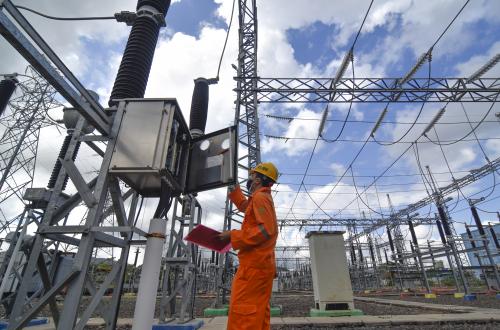
Environmental management has become an increasingly important indicator in power plant operations amid demands for energy transition and sustainable development. This performance forms the basis for assessment in the Company Performance Rating Programme (PROPER) organised by the Ministry of Environment. PT PLN Indonesia Power UBP Jeranjang has secured the Green PROPER 2026 award from the Ministry of Environment. The award was given for the company’s environmental management performance, which was deemed to exceed basic compliance, including through resource efficiency, emission reduction, utilisation of Fly Ash and Bottom Ash (FABA), and community empowerment programmes. The accolade received appreciation from West Nusa Tenggara Governor Lalu Muhamad Iqbal during the commemoration of World Environment Day 2026 in Central Lombok. In recent years, UBP Jeranjang has implemented a number of programmes covering energy and water use efficiency, emission reduction, and FABA utilisation to support a circular economy. The company has also developed environment-based social programmes involving communities around the plant’s operational area. This approach is part of applying Environmental, Social, and Governance (ESG) principles in the company’s operations. Beyond focusing on reliable electricity supply, the power generation sector also faces demands to reduce environmental impact and increase social benefits for the community. Assistant Manager for Administration at PLN Indonesia Power UBP Jeranjang, Teguh Budiyanto, stated that the Green PROPER award is not merely a recognition, but an indicator that the company’s environmental management, operational efficiency, and community empowerment efforts have delivered tangible impacts. “We believe that providing reliable electricity must go hand in hand with a commitment to environmental sustainability and improving community welfare,” he said on Friday (12/6/2026). According to Teguh, the company will continue to strengthen various environmental innovations, including FABA utilisation, increased resource use efficiency, emission reduction, and social programmes that support sustainable development in West Nusa Tenggara. “Going forward, we want to ensure that every step of the company’s transformation not only creates value for the business, but also delivers broader benefits for the environment and society,” he added. The application of sustainability principles in the electricity sector is expected to draw increasing attention in line with national emission reduction targets and the energy transition agenda. Resource management, waste reduction, and community engagement are becoming increasingly important aspects in power plant operations.