
Jenal Scrapes a Living from Jakarta's Waste, Business Grows Thanks to BRI's KUR
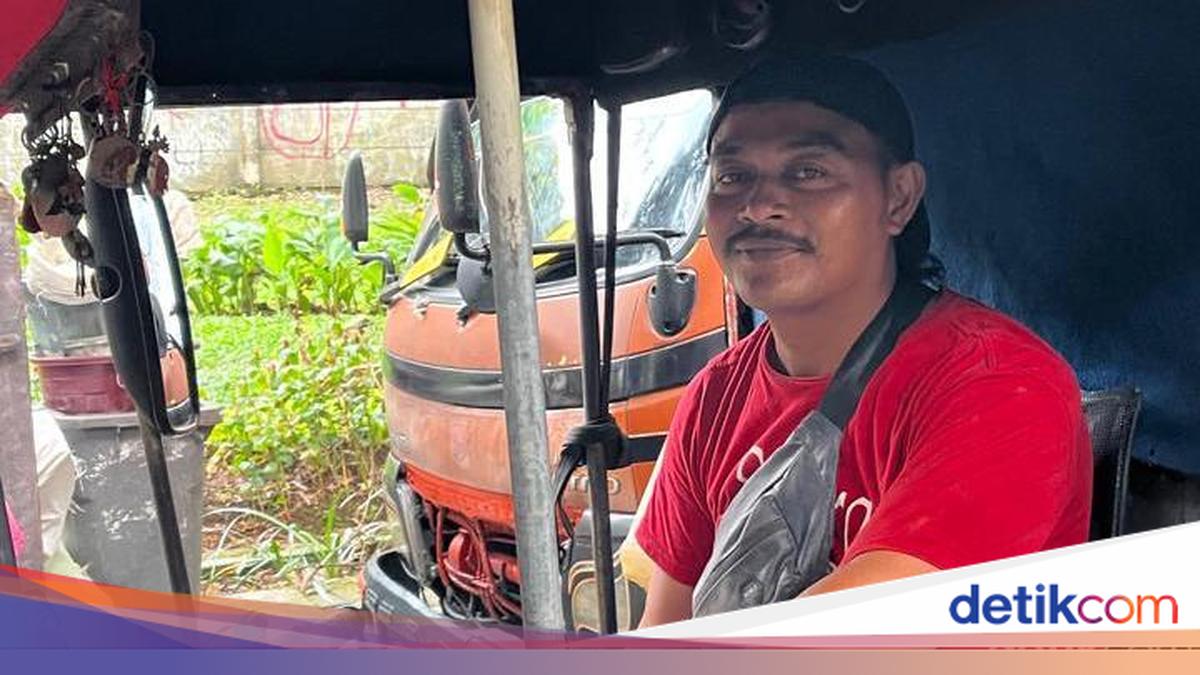
A long line of waste transport motorcycles stretched along the road to the Rawajati Temporary Disposal Site (TPS) in South Jakarta. Waste collectors waited their turn to unload rubbish gathered from residential areas. That afternoon, however, the queue was much longer than usual, snaking almost to Duren Kalibata Station. A pungent smell pierced the air as vehicles turned from Jalan Raya Kalibata towards the Rawajati TPS. On the right side of the road, the waste transport vehicles were lined up, while their drivers sat on the pavement waiting. Among the long queue, Jenal Abidin sat with them. He had arrived later than usual, so his vehicle was far back in the line. Jenal invited detikcom to chat at a food stall by the roadside. Sitting on a small mat, the 38-year-old explained the reason for the long queue at Rawajati TPS. According to Jenal, the queue was caused by a restriction on waste disposal quotas at the Bantargebang Integrated Waste Management Site (TPST) in Bekasi. The restriction was imposed after a recent landslide incident at the site, which consequently hampered loading and unloading activities at Rawajati TPS. Despite the long wait, Jenal never tires of his job. For years, he has made a living from his independent waste transport business. Every day, he travels around collecting rubbish from several residential areas before taking it to Rawajati TPS. The work is far from comfortable. Jenal must deal with pungent smells and unpredictable weather. He also has to manage his time to ensure the collected waste is disposed of promptly. When queues are long, as they were that day, his working hours are extended. ‘The impact is a lot of wasted time when it’s jammed like this. We should be able to sort items at home, but now we’re stuck in traffic,’ Jenal said during the conversation. Jenal began working as a waste collector after moving from Karawang to Jakarta in 2000. Migrating as a teenager limited his job options, leading him to this line of work. ‘I got a job like this, thank God,’ Jenal said. Initially, he followed a friend who was already working as an independent waste collector, serving as his assistant to help transport rubbish from housing estates. By 2008, Jenal started collecting waste on his own after a friend sold him a collection route. He began his business with a handcart. By 2013, he had managed to acquire a three-wheeled motorcycle for transporting waste. Three years later, he added another vehicle, which was initially used by his father but is now operated by his younger sibling. Every day, Jenal sets off around 7:30 AM WIB to collect waste from residents’ homes. After completing his rounds, he usually takes the waste directly to the Rawajati TPS. If the queue is short, he can return home by midday. However, if the queue is long, he only arrives home at night. His waste collection territory stretches from Jatipadang to Central Kalibata. He does not collect waste from just any housing estate, as fellow collectors mutually respect each other’s designated areas. In a day, Jenal can transport a cartload of waste weighing approximately six quintals. He collects all types of waste, from kitchen scraps and garden cuttings to used goods. Jenal earns money from residents who use his services, with each household typically paying between IDR 30,000 and IDR 50,000 per month. However, his income does not solely come from collection fees. He also regularly exchanges recyclable waste for money. ‘Like cardboard boxes, bottles, and scrap metal,’ Jenal said. These items are usually sold to a collector near his home, with prices varying depending on the goods collected. In a week, he can earn up to hundreds of thousands of rupiah. From this enterprise, Jenal earns more than IDR 5 million per month, derived from both residential collection fees and the sale of recyclable materials. To grow his business, Jenal first applied for a People’s Business Credit (KUR) loan from BRI in 2018, starting with IDR 25 million. To date, he has taken out four loans, with amounts ranging from IDR 25 million to IDR 50 million. The funds were used to expand his waste collection territory. In the independent waste collection business, there is a practice where, if a collector stops or retires, their collection area can be taken over by another person in exchange for a sum of money. ‘It’s like a severance payment, as the big shots say,’ Jenal explained. The amount paid to the retiring collector is adjusted according to the income generated from that area. For example, if an area generates IDR 1 million, the transfer value could be up to ten times that amount, or IDR 10 million. ‘But it’s a one-off payment. Consider it their pension fund,’ Jenal said. The money from BRI was used by Jenal to add to his collection areas. According to him, fellow waste collectors all understand this unwritten rule. ‘So, when taking over, when collecting, we all know this is my area, that is your area. Yes, it’s individual. You can’t just collect anywhere; you have to have regular customers,’ Jenal said. After his collection territory expanded, Jenal’s income also increased. He cited examples of additional collection areas in the Pasar Minggu and Ragunan areas. Furthermore, the increased income allowed Jenal to save money and renovate his family home in his hometown of Karawang.
Source: jawawa.id (https://jawawa.id/newsitem/jenal-scrapes-a-living-from-jakartas-waste-business-grows-thanks-to-bris-kur-1782755483)
Originally published by detikcom (https://news.detik.com/berita/d-8553027/jenal-mengais-rezeki-dari-sampah-jakarta-usaha-berkembang-berkat-kur-bri), translated from Indonesian