
Jember's Homecare Programme Provides 'Family Doctor' for Residents
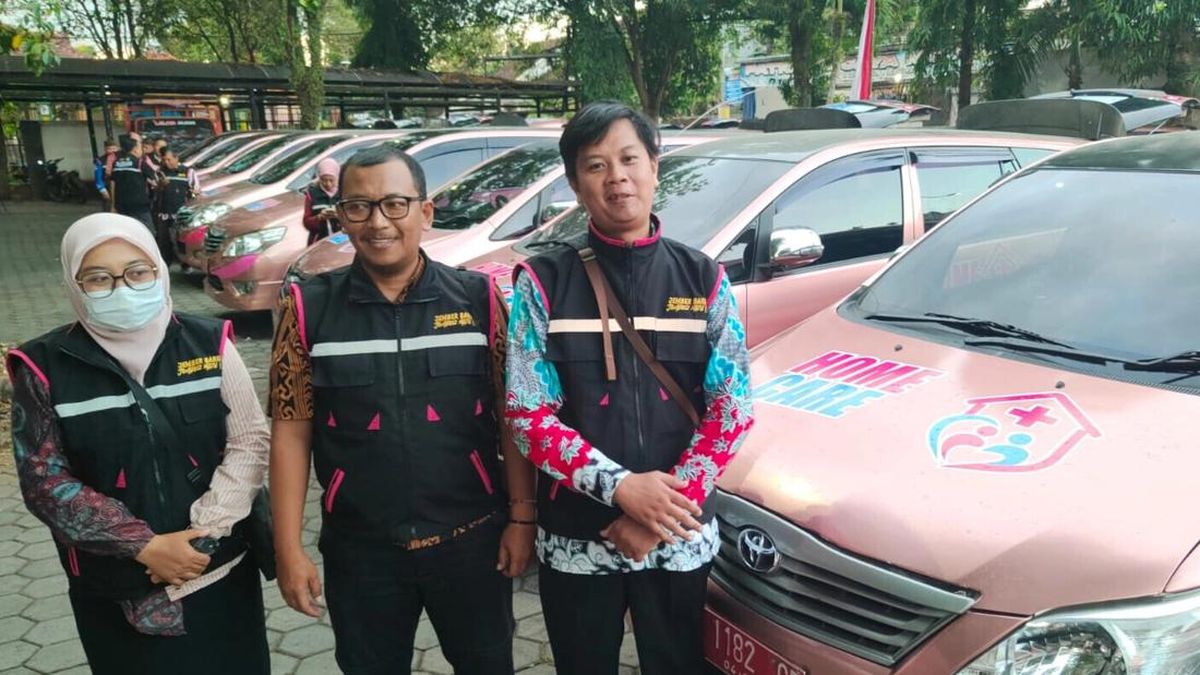
A ‘family doctor’ service has been launched by the Jember Regency Government, East Java, for underprivileged residents under its Homecare programme.
Jember Regent Muhammad Fawait said that through this programme, Jember has become the only region in Indonesia to have a homecare service programme.
Fawait said the programme removes barriers of transport costs and physical limitations.
“This means the extremely poor, elderly people living alone, persons with disabilities, high-risk pregnant women, chronic disease sufferers, and stunted toddlers can access medical treatment free of charge directly in their homes,” said Fawait at the programme’s launch some time ago.
To support the programme, Jember has deployed 50 Home Care vehicles, comprising 10 new vehicles and 40 operational official vehicles reassigned from Regional Apparatus Organisations (OPD).
Each vehicle is equipped with medical support facilities, such as blood pressure monitors, blood sugar and cholesterol testing devices, basic health examination equipment, and communication devices connected to the electronic medical records system.
Besides transporting health workers, the fleet is also used by three regional hospitals to take underprivileged patients back home after completing their treatment.
As many as 1,000 health workers and telemedicine technology are also involved in the programme. The health workers involved include doctors, nurses, midwives, nutritionists, and public health personnel from various community health centres (puskesmas), supported by administrative staff and drivers.
“The officers will provide routine check-ups, wound care, medication, nutrition counselling, and regular monitoring of patients’ conditions,” he said.
To maximise medical treatment in the field, the homecare programme integrates a telemedicine system.
For patients requiring further consultation, health workers in the field can consult directly with general practitioners, specialists, and sub-specialists at the hospital without patients having to travel long distances.
Residents needing homecare services can register through their nearest puskesmas, contact the Wadul Gus’e complaint channel, or through the local Home Care hotline.
Fawait said the implementation of the homecare vehicle programme is expected to reduce maternal and infant mortality rates, accelerate stunting treatment, and serve as a tangible form of government presence in providing fair, humane, and equitable healthcare for all levels of society.