
Jellyfish Sting Victims on the Rise at Gunungkidul Beaches
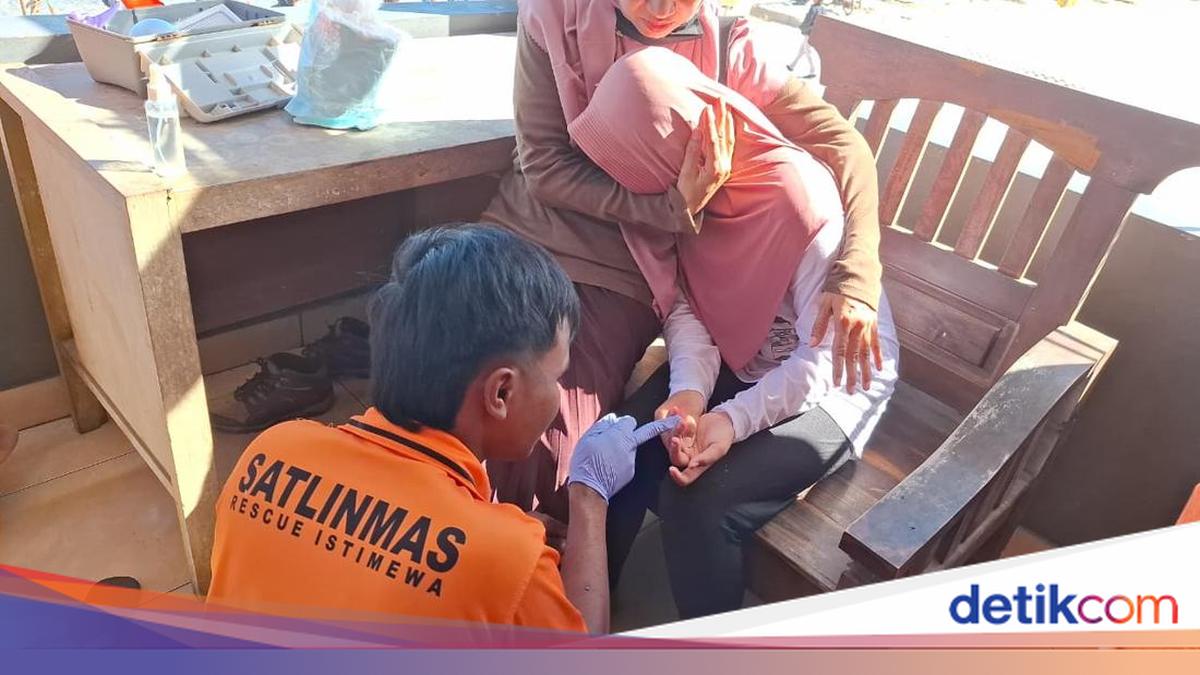
Dozens of tourists have become victims of attacks by venomous jellyfish, known locally as ‘impes’, at Sepanjang Beach, Tanjungsari, Gunungkidul. The majority of the victims are children.
“There were 10 tourists at Sepanjang Beach stung by jellyfish today,” said Surisdiyanto, Secretary of SAR Satlinmas Rescue Istimewa Region II Baron Beach, when contacted by journalists on Wednesday (1/7/2026).
Surisdiyanto continued, noting that the 10 tourists were dominated by children. This is because they are attracted to the jellyfish’s shape, which resembles a balloon, and its transparent white and blue colour.
“Most of those stung by jellyfish are children, as they are attracted to the shape of the jellyfish and use them as toys,” he said.
However, all tourists stung by the jellyfish have received treatment from the SAR Team. Surisimdyanto also revealed that on Sunday (28/6), eight tourists from various beaches in Gunungkidul were stung by jellyfish.
On the other hand, Surisdiyanto admitted that the SAR Team always issues warnings, both directly and via loudspeakers, to advise tourists not to touch the jellyfish.
“We also conduct regular patrols on the beach to clear away any appearing jellyfish,” he said.
It was previously reported that venomous jellyfish, or ‘impes’, have begun to appear on the South Coast (Pansela) of Gunungkidul. The SAR Team noted that the peak appearance of jellyfish occurs between July and August.
The SAR Coordinator for Satlinmas Rescue Istimewa Region II Baron Beach stated that mid-month is indeed the season for ‘impes’ to emerge, though the intensity of their appearance has not yet been very frequent.
“It is indeed the season for ‘impes’ to come out, usually from mid-June to August. The peak is between July and August,” he said when contacted by journalists on Wednesday (17/6).
Marjono continued, noting that the appearance of ‘impes’ had already occurred at Sepanjang Beach on Sunday (14/6), where five tourists were victims of jellyfish stings.
“Therefore, we ask tourists to always be careful and not to touch or use the blue, inflated marine biota found on the shoreline as toys,” he said.
Stings from ‘impes’ can cause itching and a burning sensation on the affected area. In severe cases, it can even lead to shortness of breath and fainting.
“Therefore, if anyone is stung by a jellyfish, please proceed immediately to the SAR post to receive assistance,” he added.
Source: jawawa.id (https://jawawa.id/newsitem/jellyfish-sting-victims-on-the-rise-at-gunungkidul-beaches-1782913882)
Originally published by detikJogja (https://www.detik.com/jogja/berita/d-8555890/duh-korban-sengatan-ubur-ubur-di-pantai-gunungkidul-makin-banyak), translated from Indonesian