
JCI Plunges 2% Back to 6,100 Level
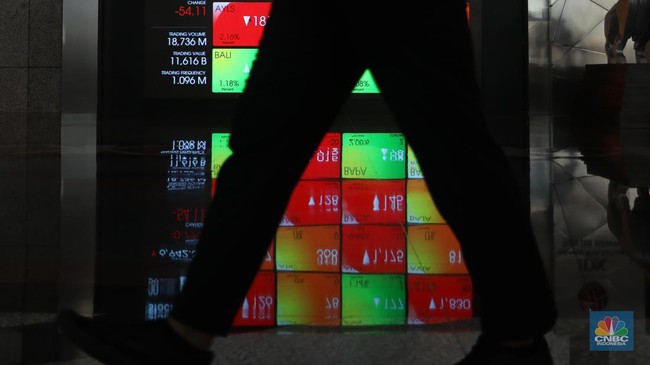
Jakarta, CNBC Indonesia — The Jakarta Composite Index (IHSG) slumped further in early trading on Friday (24/7/2026), with losses approaching 2% amid heavy selling of large-capitalisation stocks (big caps).
External sentiment, in the form of a surge in world oil prices above US$100 per barrel and new tariff policies from United States President Donald Trump, continued to overshadow market movements.
As of 09.26 WIB, the IHSG plunged 125.92 points, or 1.99%, to 6,189.39. Of all shares traded, 556 weakened, only 99 strengthened, while 310 stagnated.
Transaction value reached Rp4.37 trillion with a trading volume of 9.79 billion shares in 608.2 thousand transactions, reflecting intense selling pressure since the start of the session.
The decline was dominated by selling of blue-chip stocks, particularly the banking sector, which had also been the target of foreign investors’ selling the previous day.
In Thursday’s trading (23/7), foreign investors booked net foreign sales of around Rp920.3 billion on the regular market, with the greatest pressure on jumbo bank stocks such as BBCA, BBRI, BMRI and BBNI. The sell-off continued into today’s trading, dragging the index deeper.
Pressure was also driven by worsening global sentiment. US President Donald Trump officially imposed new import tariffs of 10%-12.5% on 60 trading partners, including Indonesia, once again raising concerns over global trade prospects. At the same time, the Middle East conflict pushed Brent crude oil prices to surge to US$100.69 per barrel, the highest level in two months. The spike in energy prices heightened fears that global inflation could reaccelerate and increased the likelihood that central banks will keep interest rates high for longer.
The combination of external pressures and continued selling of banking stocks led market players to reduce their exposure to risky assets, making the IHSG one of the more deeply pressured indices in early trading today.