
JCI Plummets 4.77 Per Cent, Driven by Rupiah Pressure and MSCI Sentiment
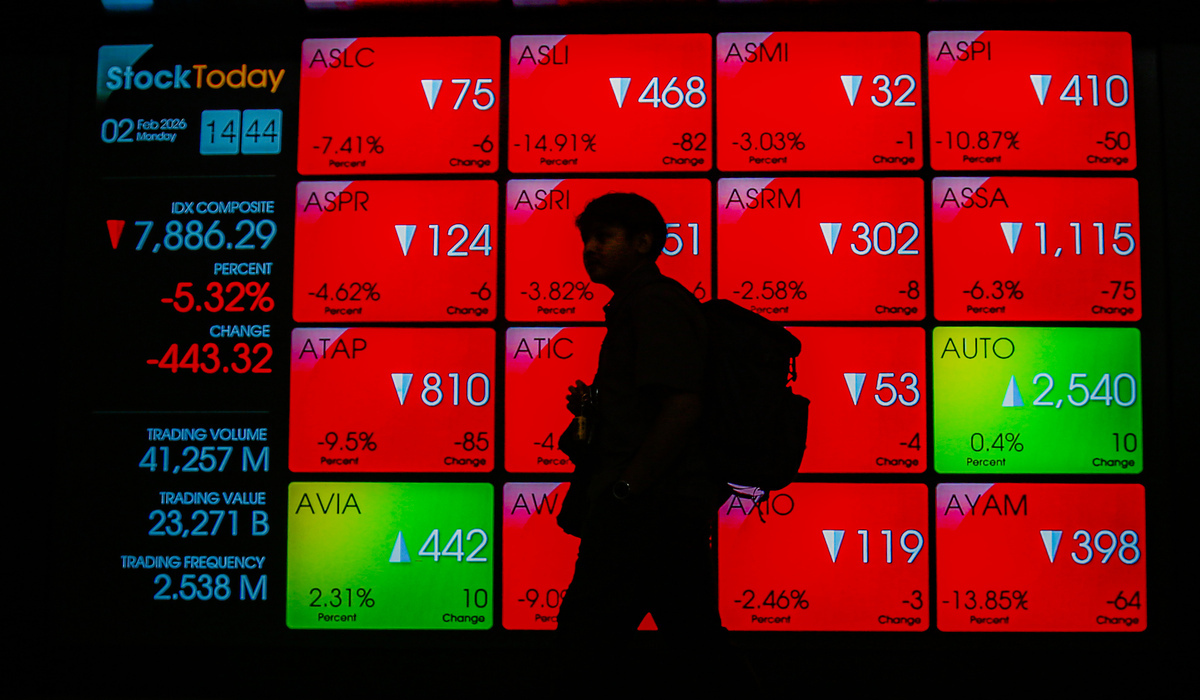
The Indonesia Composite Index (JCI) on the Indonesia Stock Exchange (IDX) underwent a sharp correction during Monday (18/05/2026) trading. As of 11:04 WIB, the index was recorded to have plummeted by 320.76 points, or 4.77 per cent, to the 6,402.56 level. This weakening of the JCI was triggered by a combination of pressure on the Rupiah exchange rate and negative sentiment from global index providers.
An analyst from MNC Sekuritas, Herditya Wicaksana, revealed that the current movement of the JCI is heavily burdened by macroeconomic conditions and a general correction in regional markets. “The Rupiah exchange rate against the US Dollar remains under pressure, currently at the level of Rp17,676 per US Dollar, which is also weighing on the JCI’s movement,” said Didit in Jakarta on Monday.
In addition to currency factors, the Indonesian capital market is also facing pressure from announcements by global index providers, MSCI and FTSE. Both institutions are reported to still be freezing the positions of Indonesian stocks and removing several issuers from their constituent lists. This condition is predicted to trigger large-scale capital outflows by the end of May 2026.
Didit added that prolonged geopolitical conflicts have pushed global crude oil prices above 100 US dollars per barrel. This has increased investor concerns regarding a surge in inflation and a future global economic slowdown.
Echoing Didit’s sentiments, capital market observer Reydi Octa assessed that the JCI’s weakness was driven by a ‘risk-off’ phenomenon due to escalating tensions in the Middle East. This condition triggered aggressive selling by foreign investors, particularly in large-cap stocks.
“The market is still overshadowed by aggressive foreign selling. The subsequent effect of the MSCI rebalancing and strong signals from FTSE, which will remove stocks with high ownership concentration (HSC), is further pressuring market psychology,” explained Reydi. Concerns regarding the exit of foreign funds and passive funds are expected to continue shadowing index movements in the short term, as market participants attempt to mitigate risks amidst high global uncertainty.