
JCI Opens Up 0.4%, Testing 6,600 Level Today
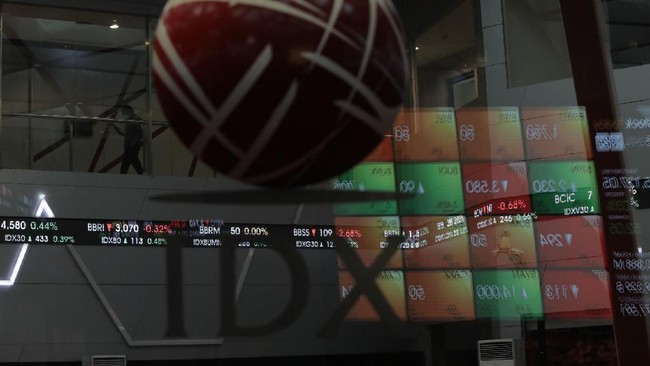
The Indonesia Composite Index (JCI) opened stronger in trading on Wednesday (2/9/2026). This strengthening occurs amidst global sentiment still overshadowed by the intensifying US-Iran conflict and surging oil prices.
According to Indonesia Stock Exchange data, the JCI at 09:00 WIB stood at the 6,626.61 level, up 2rypt 26.67 points or 0.40% from the previous trading close of 6,599.94.
A total of 278 stocks strengthened, 90 stocks weakened, and 595 others remained stagnant. Transaction value at the start of trading was recorded at Rp412.4 billion, with a trading volume of 632.4 million shares and a frequency of 56,270 times. The market capitalisation of the Indonesia Stock Exchange (IDX) at the opening of trading reached approximately Rp11,574 trillion.
The JCI’s gains follow Tuesday’s (1/9/2026) trading, where the index closed with a 1.14% surge to the 6,599.94 level.
Meanwhile, the JCI faces potential pressure in today’s trading due to worsening global sentiment caused by the escalation of the conflict between the United States and Iran, alongside rising oil prices and government bond yields in major economies. The US launched airstrikes against Iran on Tuesday (1/9/2026), which Tehran responded to with missile and drone attacks on several US facilities in the Middle East. This escalation has heightened concerns regarding global energy supply disruptions, particularly as the Strait of Hormuz is a strategic route for approximately one-fifth of the world’s oil supply.
Brent crude prices surged 4.6% to US$94.65 per barrel on Tuesday, while West Texas Intermediate (WTI) rose 0.6% to US$90.77 per barrel. Over the last two days, both Brent and WTI prices have jumped by approximately 6%.
The rise in energy prices has revived global inflation concerns and driven up government bond yields. The 10-year US Treasury yield rose by 3 basis points to 4.788%, its highest level in 20 months. In Japan, the 10-year government bond yield breached 3% for the first time since 1996, while the 10-year UK gilt yield reached 5.2341%, the highest since June 2008.
Domestically, sentiment remains mixed. Indonesia’s manufacturing PMI returned to the contraction zone in August 2026 with a level of 49.8, reversing from an expansive position in the previous month. Declines in production and labour were cited as factors weighing on manufacturing activity.
On the other hand, Indonesian inflation has begun to rise. BPS recorded August 2026 inflation at 0.21% month-on-month and 3.19% year-on-year, reversing from a deflation of 0.14% in July. The increase was primarily driven by the food, beverage, and tobacco group, including broiler chicken, bird’s eye chilli, fresh fish, and rice.
Meanwhile, Indonesia’s trade balance recorded a surplus of US$110 million in July 2026, following a deficit of US$450 million the previous month. However, this surplus was significantly thinner than previous periods as imports grew by 27.02% year-on-year, outpacing export growth of 6.05%.
External sentiment will also be closely monitored through the US labour market. The Job Openings and Labour Turnover Survey (JOLTS) data showed US job openings rose by 89,000 to 7.27 million in July, though this remained below market expectations of 7.30 million. This data remains a key focus for investors assessing the direction of Federal Reserve monetary policy.