
Java Blackouts Serve as Warning, SUSTAIN Urges Acceleration of Rooftop Solar
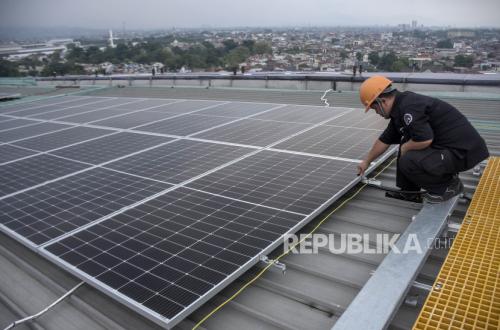
The think tank Yayasan Kesejahteraan Berkelanjutan Indonesia (SUSTAIN) has assessed that the technical fault which triggered rolling blackouts across parts of Java recently demonstrates the fragility of the national electricity system, which is heavily dominated by coal. SUSTAIN noted that domestic coal demand through the Domestic Market Obligation (DMO) scheme is already very high, at around 220 million metric tonnes. This figure represents more than half of coal production during the end of Susilo Bambang Yudhoyono’s administration and the first term of Joko Widodo’s presidency. According to SUSTAIN, Indonesia will struggle to meet this demand despite being a coal-exporting nation, especially given the growing disparity between DMO prices and global market prices. Consequently, coal supply shortages will continue to haunt Indonesia and threaten energy security. Responding to this situation, which harms both the public and the industrial sector, SUSTAIN stressed that simply repairing technical damage will not solve the root problem. Based on its latest research, SUSTAIN Brief Vol. 4: Unlocking Solar Energy Demand: The Strategic Role of Rooftop Solar and Power Wheeling in Achieving the 100 GW Solar Energy Target, the foundation offers a solution through energy diversification by optimising solar energy potential. SUSTAIN Executive Director Tata Mustasya stated that electricity demand from households and industry could potentially become a key driver for accelerating national solar energy adoption through the development of rooftop solar power plants (PLTS atap) and the implementation of power wheeling. ‘In our calculations, we used an accelerated scenario with a projected additional solar energy capacity that could potentially reach around 11.4 GWp in a relatively short time. This can contribute significantly to achieving the national PLTS development target of 17 GW within three years without further burdening state finances,’ Tata said on Monday (22/6/2026). He offered two solutions to reduce the risk of future mass blackouts. First, changing the paradigm from a centralised grid system, which is vulnerable to disruptions, to a decentralised system through the development of rooftop solar. Tata said the government can provide support through regulations and incentives for the industrial, commercial, and household sectors to install rooftop solar, allowing the public to produce electricity independently. According to Tata, rooftop solar can be a solution when the main PLN network experiences technical faults or overloads because communities can sustain their own energy needs. ‘This creates a strong energy buffer at the site level,’ he said. The second solution is the implementation of a power wheeling scheme, which is the shared use of PLN’s transmission network by private renewable energy-based electricity producers. Currently, many industries wish to switch to clean energy but are hampered by the limited supply of green energy from PLN. Through power wheeling, large-scale solar energy producers can channel clean electricity directly to industrial consumers using the existing network. This step not only accelerates the 100 GW solar energy target but also reduces PLN’s upstream investment burden, allowing the company to focus more on maintaining the reliability and upkeep of the main transmission network to prevent mass blackouts. ‘We cannot continue to hang the fate of electricity for millions of citizens and industries on a handful of large fossil-based power plants. If one transmission point or upstream supply has a problem, the impact immediately paralyses an entire island,’ said Tata. He cited Java as the centre of approximately 60 to 70 per cent of Indonesia’s economic activity, which therefore requires energy diversification through the use of renewable energy. ‘The key to preventing rolling blackouts from recurring is decentralisation through rooftop solar and network flexibility through power wheeling,’ Tata said. SUSTAIN urged the government to immediately ratify a progressive legal framework to support the acceleration of rooftop solar and power wheeling for the diversification of national energy sources.