
Japesda: Tenurial Rights Protect the Living Space of the Bajo Community in Tilamuta
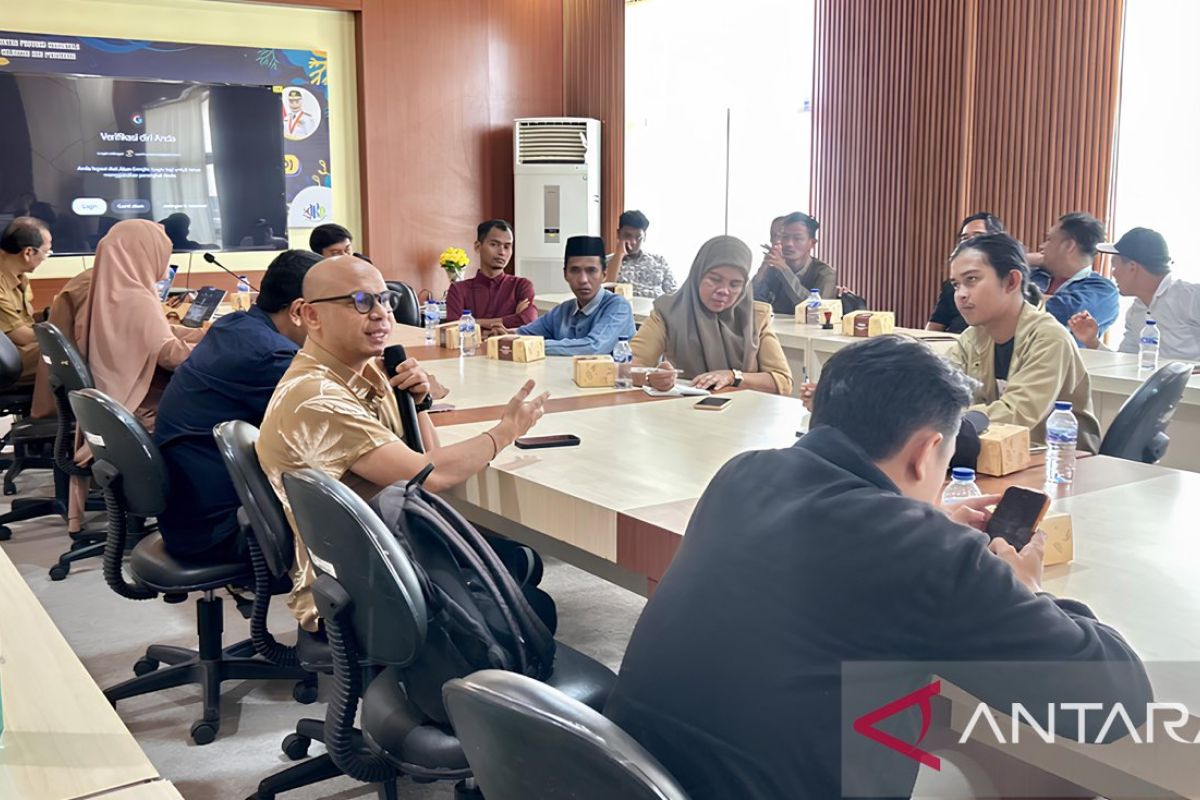
Gorontalo (ANTARA) – The Natural Resources Management Network (Japesda) is calling for recognition of the marine tenure rights of the Bajo community in Tilamuta, Boalemo Regency, Gorontalo Province, so residents have a legal basis for managing and protecting the marine areas where they live and work.
Japesda Director Christopel Paino said in Gorontalo on Wednesday that recognition was important because the Bajo community already had practices for managing marine areas, although many of its rules still relied on unwritten agreements.
“The sea is not an empty space. It contains people’s living space, areas they manage, rules and groups responsible for managing them,” Christopel said.
Without legal recognition and protection, he said, community agreements on marine use risked lacking force when confronted with spatial-use policies or investment interests.
The community has different needs and patterns of marine use. One example is the division of fishing areas between women and men, which has long been based on custom and community agreements.
Women fishers generally use the intertidal zone to gather shellfish, sea cucumbers and fish, on foot or with simple fishing gear. Men, meanwhile, tend to go farther out to sea in boats and use different equipment.
Christopel said the community had included the division of these areas in a participatory map, marking a fishing zone for women. This showed that marine management is not only about setting area boundaries, but also about regulating access according to community needs.
“If they want to introduce a system of opening and closing areas in the future, for example by preventing male fishers from entering the women’s fishing grounds, that could form part of a community management agreement,” he said.
The Bajo community also has local rules, including pamali, or taboos against entering certain islands considered sacred. These rules are one way of protecting areas through local wisdom.
Since the beginning of the year, Japesda, the community and the Bajo Village Government have worked together on participatory mapping and documentation of the village’s history to strengthen recognition of these rights.
As part of the mapping, residents have identified the coordinates of coastal areas and small islands they have traditionally managed, and named them according to local knowledge.
The results of this assistance will serve as the basis for drafting a village regulation on the Bajo community’s managed areas.
Christopel said recognition of tenure was not intended to grant ownership of the sea, but to strengthen governance by enabling the community to regulate the use of its territory through collective agreements.
He said recognition of a tenurial area had three key elements: a clearly mapped area under community management, rules for managing it, and a community group responsible for that management.
The Bajo community has begun developing all three through participatory mapping, the draft village regulation and the formation of a management group agreed upon by residents.
“When investment comes in, companies must know that the community already has an area it manages, rules and a group responsible for it. They cannot simply enter without involving the community,” he said.
He said the draft regulation would next be aligned with the participatory map, historical documentation and applicable legislation, with the assistance of the legal division of the Boalemo Regency Government.
Source: jawawa.id (https://jawawa.id/newsitem/japesda-tenurial-rights-protect-the-living-space-of-the-bajo-community-in-tilamuta-1793789673)
Originally published by Antara (Indonesian) (https://www.antaranews.com/berita/5831655/japesda-hak-tenurial-lindungi-ruang-hidup-masyarakat-bajo-tilamuta), translated from Indonesian