
Japan's PM Proposes Mineral Partnership at G7 Summit Amid US-Iran Deal Talks
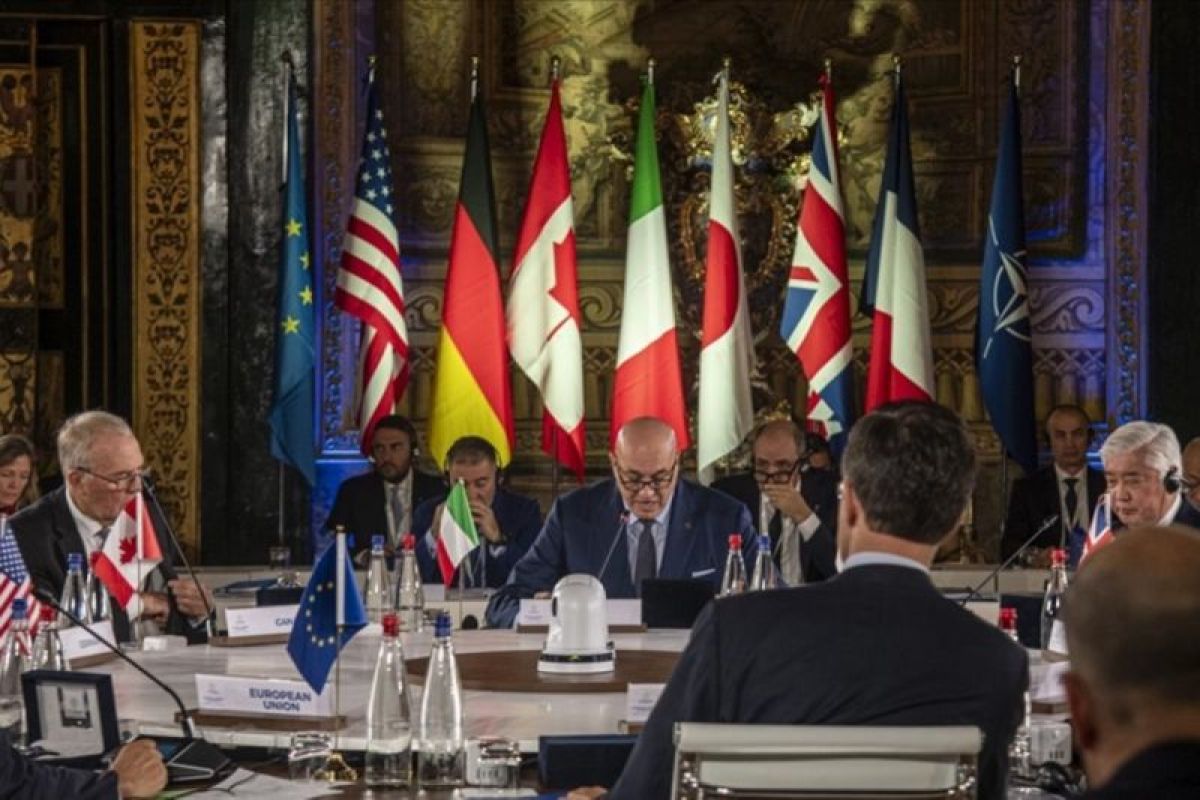
Leaders of the Group of Seven (G7) nations commenced a three-day summit in Evian-les-Bains, France, on Monday, assessing whether a temporary agreement between the United States and Iran could ease tensions in the Middle East and avert a wider conflict. During the opening dinner, Japanese Prime Minister Sanae Takaichi, attending her first G7 summit since taking office in October 2025, proposed a strategic reserve partnership aimed at strengthening the preparedness and resilience of critical mineral supply chains. According to a statement from Japan’s Foreign Ministry, Takaichi’s proposal stemmed from concerns over excessive dependence on China for essential minerals, such as rare earth elements vital to the high-tech industry. She also stressed the need to reach a final agreement as soon as possible to ensure its implementation, guarantee free and safe navigation through the Strait of Hormuz, and prevent Iran from acquiring nuclear weapons. The US and Iran have reached a deal to end a prolonged war that began with military strikes against Iran in late February, with a formal signing ceremony scheduled in Geneva on Friday. French President Emmanuel Macron, chairing this year’s summit, said the leaders would discuss the long-term reopening of the Strait of Hormuz as a major global shipping route. The summit will test whether the G7 can present a united front on issues including Middle East tensions, Ukraine, and economic security, amid divisions between the US and its European allies. Takaichi also outlined Japan’s views on the Indo-Pacific security situation and regional challenges concerning China, with G7 leaders agreeing to coordinate closely on these matters. The leaders attended a welcome ceremony and dinner on Monday ahead of formal discussions on Tuesday and Wednesday. Disagreements persist over the wars in Iran and Ukraine, with European leaders continuing to advocate strong support for Ukraine whilst President Trump adopts a more cautious stance. To avoid highlighting these divisions, the G7 is expected not to issue the customary joint communiqué at the summit’s conclusion. If no overarching declaration is released, it would mark the second consecutive year without one. Beyond the G7 members, France invited leaders from Brazil, Egypt, India, Kenya, and South Korea to participate in select sessions, as part of the group’s outreach to developing nations and key partners. Ukrainian President Volodymyr Zelenskyy is also scheduled to join discussions on Tuesday regarding the war with Russia and diplomatic efforts to secure peace. Middle Eastern leaders will take part in talks on regional security, including the Strait of Hormuz. Ahead of the summit, tens of thousands of demonstrators protested in Geneva on Sunday. Whilst most protests were peaceful, some clashes with police occurred, with protesters throwing stones and setting vehicles alight, prompting officers to use tear gas. The G7, which brings together some of the world’s wealthiest nations, has long been a target of anti-globalisation and anti-capitalist activists who view it as a symbol of economic power. The group comprises Britain, Canada, France, Germany, Italy, Japan, and the United States, along with the European Union.