
Japan's ispace Books Cargo Space on SpaceX Starship for Lunar Rideshare Mission
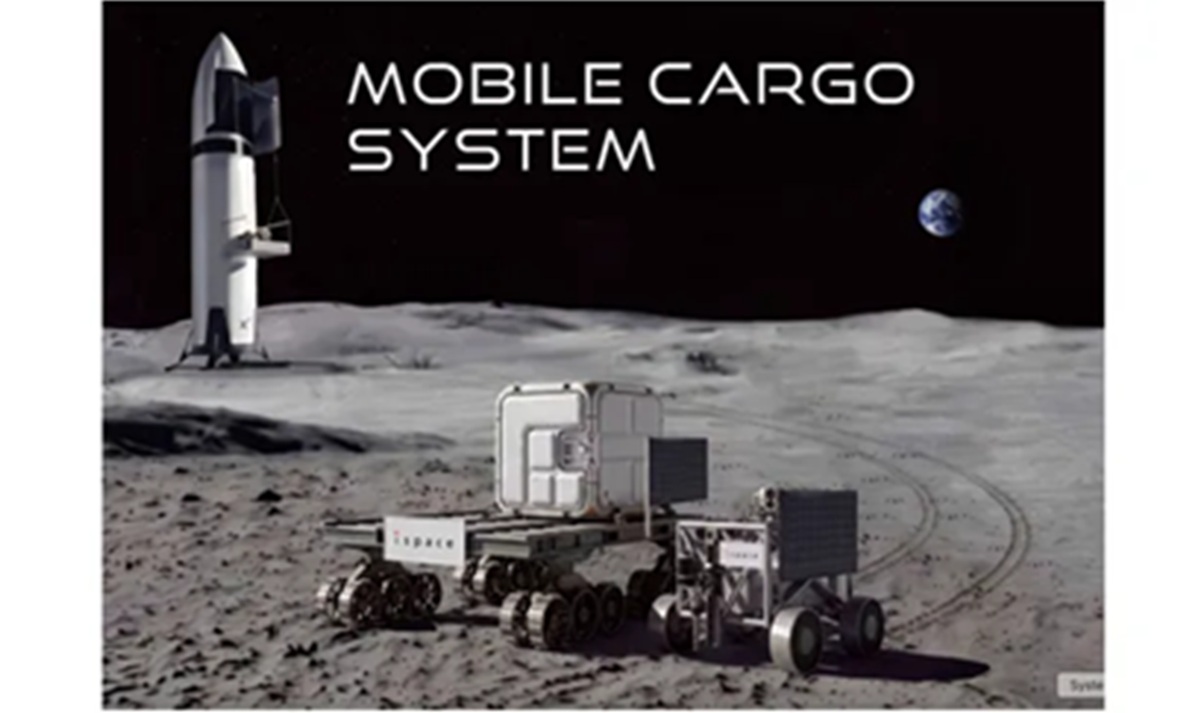
Japanese lunar transportation company ispace has announced an ambitious new step in the space economy industry. The Tokyo-based firm has officially booked a payload capacity of 1,100 pounds (500 kilograms) on SpaceX’s Starship rocket, the largest and most powerful rocket ever built. The $50 million (approximately Rp815 billion) collaboration is targeted for a lunar landing mission scheduled to launch no earlier than 2030. This move marks the launch of a new, more affordable lunar cargo business line through a rideshare system. Under the agreement, ispace will design a lunar surface vehicle called the Mobile Cargo System (MCS). The vehicle, resembling a flatbed pickup truck, will function to accommodate and deliver payloads from various global clients to the lunar surface using a ride on Elon Musk’s Starship rocket. ispace Executive Vice President Hideari Kamiya likened the new service, called Lunar Access Integration, to a ‘bus’ to the Moon, complementing the development of their independent lander project which operates like a ‘taxi’. Although ispace experienced failures in two previous lunar landing attempts in 2023 and 2025 using the Falcon 9 rocket, this new strategic partnership with SpaceX is considered to be accelerating their growth. ‘We are very pleased to offer a new lunar access integration service utilising Starship payload space through our collaboration with SpaceX,’ said ispace founder and CEO Takeshi Hakamada in an official statement. Hakamada added that the partnership with SpaceX will accelerate ispace’s growth in the lunar infrastructure market exponentially. SpaceX welcomed the expansion of the relationship, as the Starship transportation system is designed to be fully and rapidly reusable and capable of carrying large-scale cargo of more than 100 tonnes to the Moon or even to Mars in the future. ‘Their integration service provides a valuable path for smaller payloads to get a ride to the Moon today, and we look forward to supporting ispace and their customers in expanding access to the lunar surface,’ said Stephanie Bednarek, SpaceX Vice President of Commercial Sales. Beyond this commercial partnership, ispace is continuing its ambitious long-term plan to achieve a smooth landing of three next-generation lander modules called Ultra in 2030, one of which is part of NASA’s Commercial Lunar Payload Services programme.