
Japan's First Mayor to Take Maternity Leave Sparks Debate on Gender and Pay
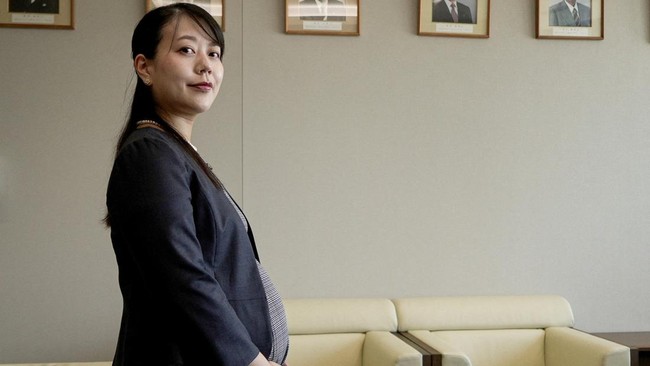
Yawata Mayor Shoko Kawata has officially made history as the first sitting mayor in Japan to take maternity leave. The decision, which took effect on Monday, has sparked a national debate ranging from support for women’s rights to criticism regarding the status and salary of a regional leader while on leave. “I myself was very surprised to learn that I was the first mayor to take maternity leave. It made me realise that until now, not many young women, or women in general, have become mayors,” Kawata said. Kawata, who leads the western Japanese city of Yawata with a population of approximately 69,000, had planned to start a family since being elected in 2023 as Japan’s youngest female mayor at age 33. However, unlike city government employees who are entitled to 16 weeks of maternity leave, there were no specific rules governing leave for a mayor, forcing her to devise her own leave mechanism. Ahead of her leave, Kawata continued to fulfil public engagements, with one of her final activities being participation in the Yawata Taiko Festival procession on Friday. Breaking from the tradition that requires the mayor to carry a mikoshi, or portable Shinto shrine, a heavily pregnant Kawata simply walked behind the procession. Kawata stated that Japan still requires major reforms to create a more female-friendly work environment, especially for those in leadership positions, to address the demographic crisis caused by the low birthrate. “People talk about gender equality and work-style reform, but we need to build a society where people in all professions, including those in leadership roles, do not hesitate to have children. If not, I believe the continued population decline due to the falling birthrate, and its impact on the economy, is unavoidable,” Kawata said. Despite receiving broad support from residents and her colleagues in government, Kawata admitted she was disappointed by the wave of criticism on social media that emerged after news of her leave became an international spotlight. Her baby is expected to be born this September. “People who didn’t know me before only know me from the news about my maternity leave. Some criticised me online, saying I’m not working and only took office to go on leave. That was very disappointing,” she said. The majority of Yawata residents interviewed supported the decision. However, others questioned the policy that allows Kawata to receive her full salary while on maternity leave. “I am a woman and have also given birth. I think, as a woman’s right, she should indeed be able to take maternity leave. However, regarding the salary, I do not agree if she continues to receive 100% of her pay during leave,” said Yawata resident Chie Fujita. The debate has once again highlighted the issue of the gender gap in Japan. Although the country got its first female prime minister just last year, female representation in politics remains relatively low. In the latest World Economic Forum report, Japan ranks 118th out of 148 countries in the Gender Gap Index, while for the political empowerment indicator, it sits at 125th.