
Japan's Centenarian Population Passes 100,000
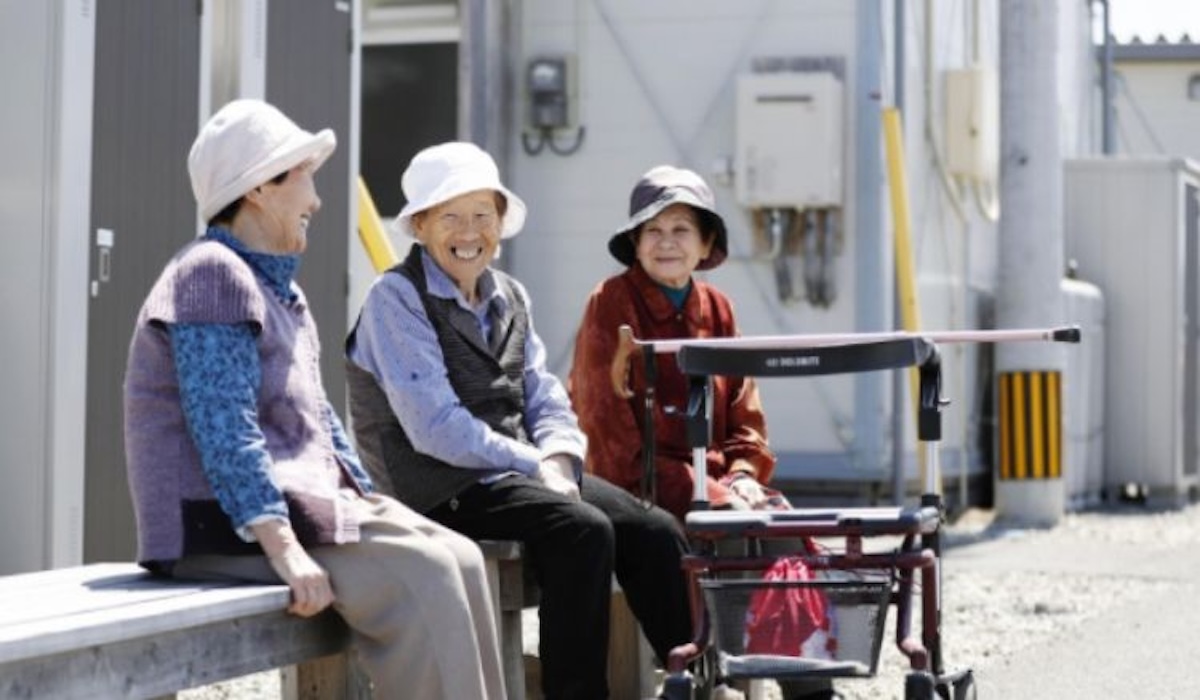
The number of people in Japan aged 100 years or older has passed the 100,000 mark for the first time. According to data as of 1 September 2026, the number of elderly citizens in this category reached 107,677.
Reports in local media citing data from Japan’s Ministry of Health, Labour and Welfare noted an increase of 7,914 people compared with the previous year. The achievement also marks the 56th consecutive annual rise in the number of centenarians.
Women dominate the statistics, accounting for 87.6 per cent of the total population aged 100 and above. In addition, a further 54,294 people are expected to turn 100 during the 2026 fiscal year, an increase of 1,984 from the previous year.
On average, Japan now has 87.51 residents aged 100 or older for every 100,000 of its population. Fuyo Kishimoto, a 114-year-old Kyoto resident born on 20 December 1911, is recorded as the oldest woman in Japan. Meanwhile, Hikaru Kato from Kumamoto, aged 112, is the oldest man in the country.
The upward trend is striking compared with the earliest figures from 1963, when Japan had just 153 centenarians. The number exceeded 1,000 in 1981, passed 10,000 in 1998, and surpassed 50,000 in 2012.
The large number of long-lived residents is in line with Japan’s average life expectancy. In 2025, life expectancy was recorded at 87.33 years for women and 81.35 years for men.
This situation has widened the gap between life expectancy and healthy life expectancy. Globally, healthy life expectancy (HALE) accounts for only around 84 per cent of gains in life expectancy.
Researchers suspect one reason sports such as tennis show particularly strong results is the social interaction involved. Tennis is typically played by two or more people.
Health Minister Budi Gunadi Sadikin has encouraged Indonesians to exercise regularly so that the quality of public health improves and Indonesia’s life expectancy can exceed 80 years.
Genes contribute only around 25 per cent to longevity. So what matters most? Research points to the role of lifestyle and environment.
Researchers have found that genetics determine 55 per cent of the human lifespan. Is it true that a healthy lifestyle can only add around five years to one’s life? Here is the explanation.