
Japan's Birth Rate Rises for First Time in 11 Years
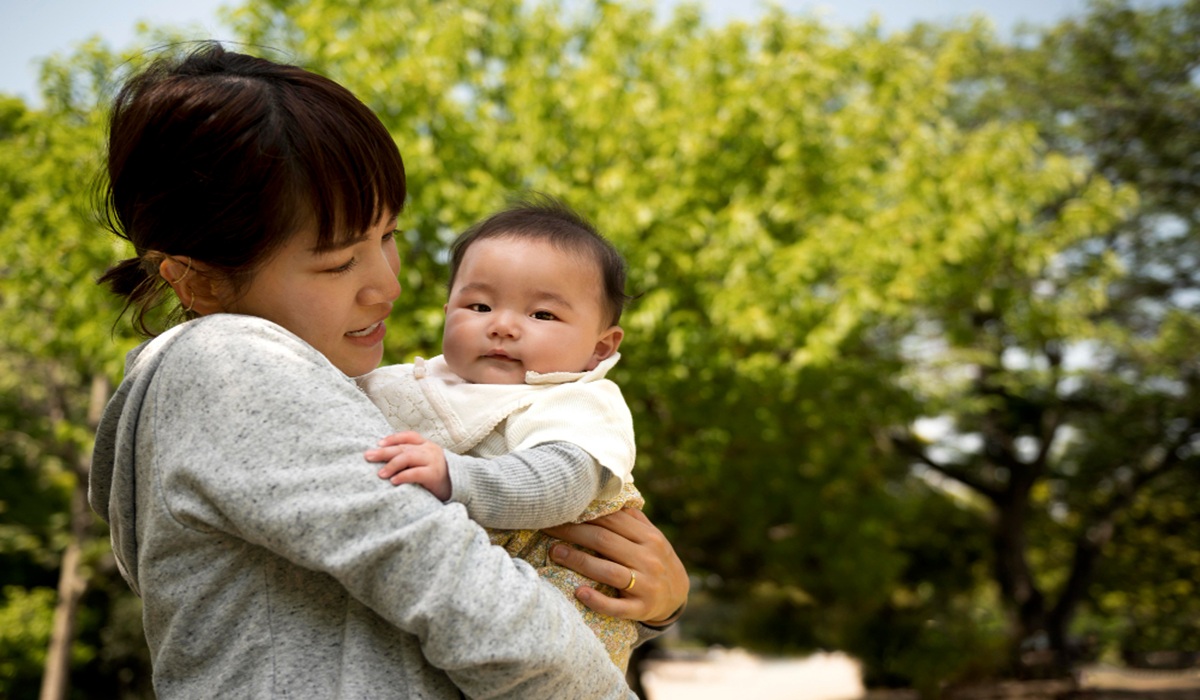
Japan has recorded an increase in the number of births for the first time in eleven years, with the figure for the first six months of 2026 rising by 0.8 per cent compared with the same period the previous year.
According to data released on Friday (28/8), total births in the January–June 2026 period reached 342,068 babies. This marks the first increase for a first-half period in 11 years. The figure includes births to foreign nationals, with a total rise of 2,788 births compared with the first half of 2025.
The increase in births is considered closely linked to the recovery in the number of marriages in Japan during 2024 and 2025. Data show that the number of marriages in 2025 rose by 1.1 per cent to around 505,000 couples, the second consecutive annual increase.
This positive trend continued into the first half of 2026, when the number of couples marrying rose by 0.2 per cent to 238,979 couples. Analysts view the increased interest in marriage as a crucial factor driving the birth rate, given Japan’s social structure, which strongly links childbirth to the institution of marriage.
The increase in births was recorded in 26 prefectures. Tokyo saw the highest rise, with 2,278 additional births, followed by Aichi Prefecture (517) and Fukuoka (438). Conversely, 21 other prefectures still experienced declines, with Ishikawa Prefecture recording the steepest contraction of 360 births.
Meanwhile, the number of deaths in Japan in the first six months of 2026 fell by 6.9 per cent to 778,982 people. Nevertheless, Japan still experienced a natural population decline of 436,914 people during the period.
Despite the slight increase, experts warn that the long-term downward trend still looms. This is due to the shrinking reproductive-age population and the growing phenomenon of people delaying marriage or choosing not to marry at all.
The Japanese government continues to face pressure to expand support for families and young couples. The sustained population decline is feared to threaten the viability of businesses and public services, as well as burden the social security system, including healthcare and pension funds, due to the shrinking workforce and consumer base.