
Japanese Matcha Loses Its Soul: From Ancient Ritual to Global Trendy Drink
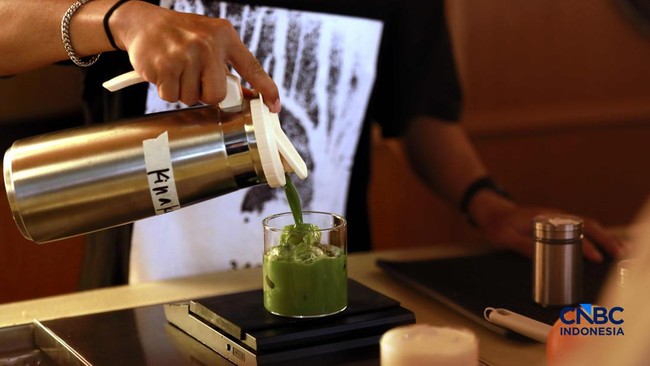
Japanese green tea, or matcha, has a long history of tradition and culture. Matcha is prepared not merely as green tea but with four Zen principles: wa, kei, sei, jaku, meaning harmony, respect, purity, and tranquillity. Unfortunately, modernisation has taken matcha into a different dimension. It has become overly commercialised as a consequence of its worldwide popularity. It has taken just a few years for the modern world to replace the values contained in matcha with their opposites: disharmony, exploitation, and deception. The solemn ceremony has now been displaced, its value reduced to a symbol of style and practical modern culture. Matcha’s worth has been diminished to that of a modern beverage, stripping away the serving etiquette rooted in thousands of years of history. This global phenomenon has surged far beyond expectations. Retail sales of matcha in the United States have reportedly soared by 86% in the last three years, while Japan now exports more than half of its matcha production, mainly to the US, Eastern Europe, and the Middle East. The export value of Japanese green tea has reached ¥36.4 billion (US$247 million), a fourfold increase over the past decade, with matcha accounting for around 44% of that, making it the most valuable green commodity after wasabi and seaweed. Ironically, the industry is fracturing from within. An open conflict is brewing between traditional Japanese producers like Marukyu Koyamaen, a family business founded in 1704, and global traders selling counterfeit products on Amazon and Facebook Marketplace. Many are marketing coarsely ground ordinary green tea as ‘premium matcha’. ‘If customers think that is our product, it is a disaster,’ said Motoya Koyama, a descendant of the founder. The fraud has spread to include fake labels such as ‘barista grade’ and ‘imperial grade’, terms not even recognised in Japan. The deviation is not limited to online markets. In major cafes worldwide, the tradition of chado is being replaced by instant practicality. Many baristas in New York now use ready-made concentrates dubbed ‘batcha’ or add flavours like ‘banana bread’ to cater to younger consumers. Japanese purists are uneasy. ‘Using high-grade matcha for a latte is like making sangria from Burgundy,’ said Zach Mangan, founder of Kettl in Brooklyn. The tea, which should be gently whisked with a chasen (bamboo whisk), is now blended in high-speed machines. On the economic front, global demand has far outstripped production capacity. According to the Global Japanese Tea Association, the price of tencha leaves at Kyoto auctions surged 170% to ¥8,235 per kilogram in spring 2025, doubling the previous year’s price and breaking the 2016 record. However, Japan cannot keep up with demand because the best harvest (first flush) occurs only once a year and yields are limited. The complex process, from shading the leaves to stone grinding, produces only 40 grams per hour. Extreme weather, from frost to heatwaves, has slashed production by up to 30%. This supply crisis is now becoming the ‘new normal’. The FAO has warned that global tea prices are 15% above the long-term average, while the Kyoto government admits its export target of 15,000 tonnes per year by 2030 will be difficult to achieve. Major producers like Ito En have established dedicated matcha divisions and raised product prices by up to 100%. Despite this, many farmers are reluctant to plant tencha due to high capital costs and the perception that the matcha trend is too seasonal. The Japanese government is considering subsidies to encourage farmers to expand cultivation, while some industry players are pushing for consumer education so that not all products need to be made from premium powder. Meanwhile, in the West, matcha has become a pop culture icon. Starbucks reported a 40% surge in matcha sales in early 2025 and launched a series of matcha protein drinks. Blank Street Coffee even rebranded to ‘Blank Street’ because half of its business is now matcha-based. The trend has been dubbed ‘full-on matchacore’, with matcha lattes, ice cream, and tiramisu flooding major cities from New York and London to Sydney. On the other hand, many baristas complain of suffering from ‘matcha lung’, a joking term for the respiratory irritation caused by constantly inhaling airborne green tea dust. Amid the market frenzy, some are trying to restore matcha’s deeper meaning. In Brooklyn, Kettl is set to open Kettl Matcha Sen Mon Ten, a space combining education, ritual, and commerce. Japanese farmers will visit to explain the production process, bringing a sense of Kyoto’s tranquillity to Manhattan’s noise. ‘This is an artisan product like wine,’ Mangan said. ‘But now we have to explain why flavour and time cannot be accelerated.’ Such efforts serve as counterprogramming against the flood of TikTok content that turns matcha into just another trend. Matcha was once served with calmness; now it is consumed with speed. Tea masters in Japan complain that it is difficult to hold traditional chado ceremonies due to a shortage of quality ingredients, while in New York and London, thousands of cups of matcha are sold every hour topped with cream and syrup. Matcha has become a victim of its own popularity.