
Japanese Economic Data in Focus, Asian Markets Mostly Higher
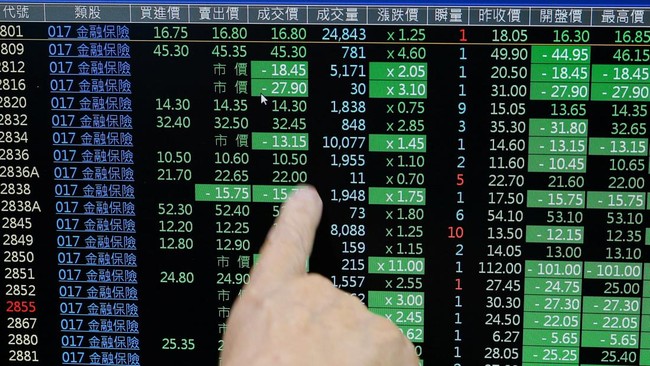
Asian stocks moved in mixed fashion amid Japanese economic growth data. Japan’s Nikkei 225 index was up 119.62 points, or 0.17%, at 68,833.42 as of 09:36 JST.
A more significant gain was seen in South Korea’s KOSPI index on 14 August 2026 Japan time (JST), which stood at 6,977.94, up 164.60 points or 2.42%.
In Australia, the S&P/ASX 200 index came under pressure. At 10:30 AET, the ASX 200 was at 9,093.60, down 21.60 points or 0.24%.
Meanwhile, China’s Shanghai Composite index stood at 3,927.176, while the Shenzhen Component index was at 14,354.305. Both indices showed no change or percentage movement on screen (UNCH).
A similar picture was seen in Hong Kong’s Hang Seng Index (HSI), which stood at 25,116.85 with a change status also recorded as UNCH.
Citing CNBC International, Japan’s economy grew 1.1% in the second quarter on an annualised basis, below the 2% growth forecast, as weakening domestic demand was offset by strong exports.
This was the first full quarter to include the impact of the war in Iran, which has caused energy prices to rise for businesses and households.
Exports were the main driver of growth, with shipment volumes from the country exceeding forecasts during the third month of the quarter. However, this was supported by a weakening yen, rather than solely by an increase in shipment volumes.
Earlier this month, the Bank of Japan released its economic activity projections and marginally raised its GDP growth forecast to 0.6% from 0.5% for fiscal 2026 ending March 2027.
“Japan’s economy is expected to continue growing moderately, albeit at a slowing pace,” the central bank said, while highlighting high crude oil prices due to the conflict in the Middle East.
However, this is likely to be partially offset by government measures to curb high oil prices for households, as well as increased global demand related to artificial intelligence (AI). Many Japanese companies are involved in the semiconductor supply chain.