
Japanese Curry: A Nutritious Daily Menu Option for Children
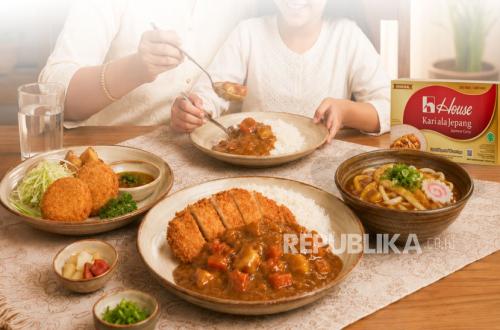
Japanese curry is increasingly recognised as one of the practical menus that is not only tasty but also nutritionally rich, particularly for children. With a flavour that is not too spicy, and a broth with a thick yet smooth texture, this dish becomes an ideal choice for families who want to serve healthy meals that children will like.
In its country of origin, Japan, curry has become part of the everyday diet. Many households in Japan consume curry at least once a week. This is not without reason. Japanese curry is usually served with a combination of nutritious ingredients such as meat, potatoes, carrots, and onions, making it a complete meal with balanced nutrition.
In addition to the main ingredient composition, the added value of Japanese curry lies in the spices used. The spices in curry are known to have various health benefits, such as antioxidants, antiviral, antibacterial, and anti-inflammatory properties. These benefits help maintain the immune system, which is especially important for children in their growth phase.
According to nutritionist Seala Septiani, parents should not worry about giving Japanese curry to children as long as they pay attention to the composition and quality of the ingredients used. She explains that health bodies such as the WHO and the Indonesian Paediatric Association (IDAI) have issued guidelines regarding the use of seasonings and flavour enhancers in nutritious foods.
“House Japanese Curry, Japanese-style curry, is very safe to use as a everyday menu for children because it is made from quality ingredients, with no added preservatives or harmful chemicals,” Seala said in a written statement received by Republika on Wednesday (20/5/2026).
This statement emphasises that choosing the right product is a key factor in safeguarding the safety of children’s food consumption.
Unlike Indonesian curry, which typically uses coconut milk, Japanese curry has a lighter broth without coconut milk. This makes it easier to digest and relatively safe for children’s digestive systems. The thick broth texture also provides a comfortable eating experience, especially for children who are still learning to chew.
Japanese curry is also known for its flexibility as a daily menu. In Japan, the dish can be enjoyed at any time, from breakfast through lunch to dinner. This flexibility makes curry a practical solution for parents who want to serve nutritious meals without spending a lot of time in the kitchen.
Nevertheless, parents are reminded to ensure nutritional balance in a single portion. Adding a variety of vegetables such as broccoli, green beans, or corn, as well as protein sources such as chicken, beef, or even fish, is highly recommended to meet children’s nutritional needs optimally.