
Japanese and Turkish Ships Successfully Navigate Strait of Hormuz via Special Route
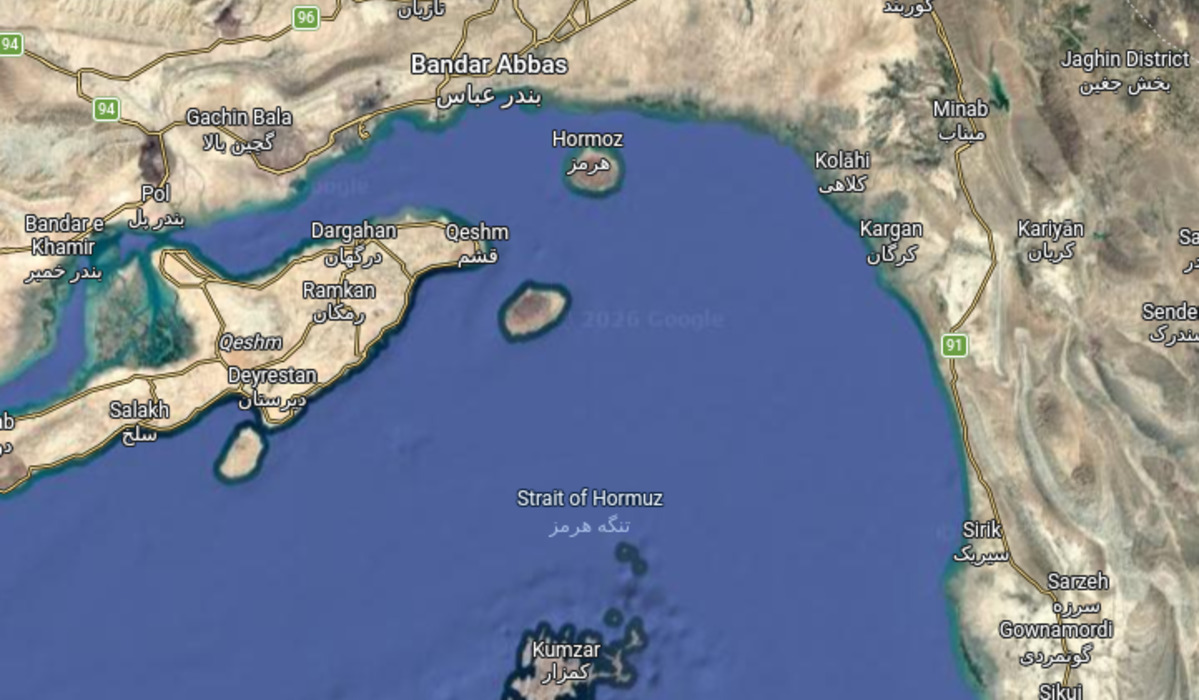
Amid Iran’s tight control over the Strait of Hormuz, a number of tanker ships from Japan and Turkey have reportedly begun successfully navigating the world’s most strategic maritime route. The successful transit of these vessels occurred on Sunday (5 April 2026) local time, marking a significant movement amid the blockade of the Strait of Hormuz.
The Japanese shipping giant Mitsui OSK Lines confirmed that one of its fleet, the LPG tanker Green Asha, had successfully passed through the Strait of Hormuz. The vessel is currently reported to be continuing its journey towards South Asia.
Although Green Asha flies the Indian flag, the ship is part of the fleet of a Mitsui subsidiary. Its success has drawn attention as it is one of the few vessels affiliated with Japan to manage the crossing since the route has effectively been under full Iranian control.
“The crew and all cargo are in safe condition,” a company spokesperson emphasised in an official statement on Monday (6 April 2026). In addition to Green Asha, the tankers Green Sanvi and the LNG ship Sohar were also reported to have successfully passed through the route earlier.
A similar feat was recorded by Turkey. Turkey’s Transport Minister Abdulkadir Uraloglu revealed that the tanker Ocean Thunder, carrying crude oil from Iraq to Malaysia, had crossed the Strait of Hormuz safely.
“The Turkish-owned ship Ocean Thunder successfully passed through the Strait of Hormuz safely last night,” Uraloglu stated.
The success of Ocean Thunder represents the third achievement for the Turkish fleet in recent days. Nevertheless, the situation on the ground remains quite tense. Currently, reports indicate that dozens of Turkish ships are still held in the vicinity, with some awaiting official permission to exit the surveillance zone.
Several ships that successfully transited are known to have used a special route approved by Iranian authorities. This route passes through waters near Larak Island, a path now nicknamed by shipping industry players as the “Tehran Toll Gate”.
The Strait of Hormuz remains the main lifeline for global oil and gas distribution. Since the outbreak of conflict in the region, Iran’s tight surveillance of the route has triggered concerns over supply disruptions that directly impact surges in global energy prices in both the Rupiah and US dollar.
Although some ships have begun moving through the special route, overall shipping activity in the Strait of Hormuz remains very limited and under intensive military monitoring. Energy market players continue to monitor developments in this strategic gateway to anticipate further price fluctuations. (AFP/H-3)