
Japan Trials AI System to Detect Trees at Risk of Falling
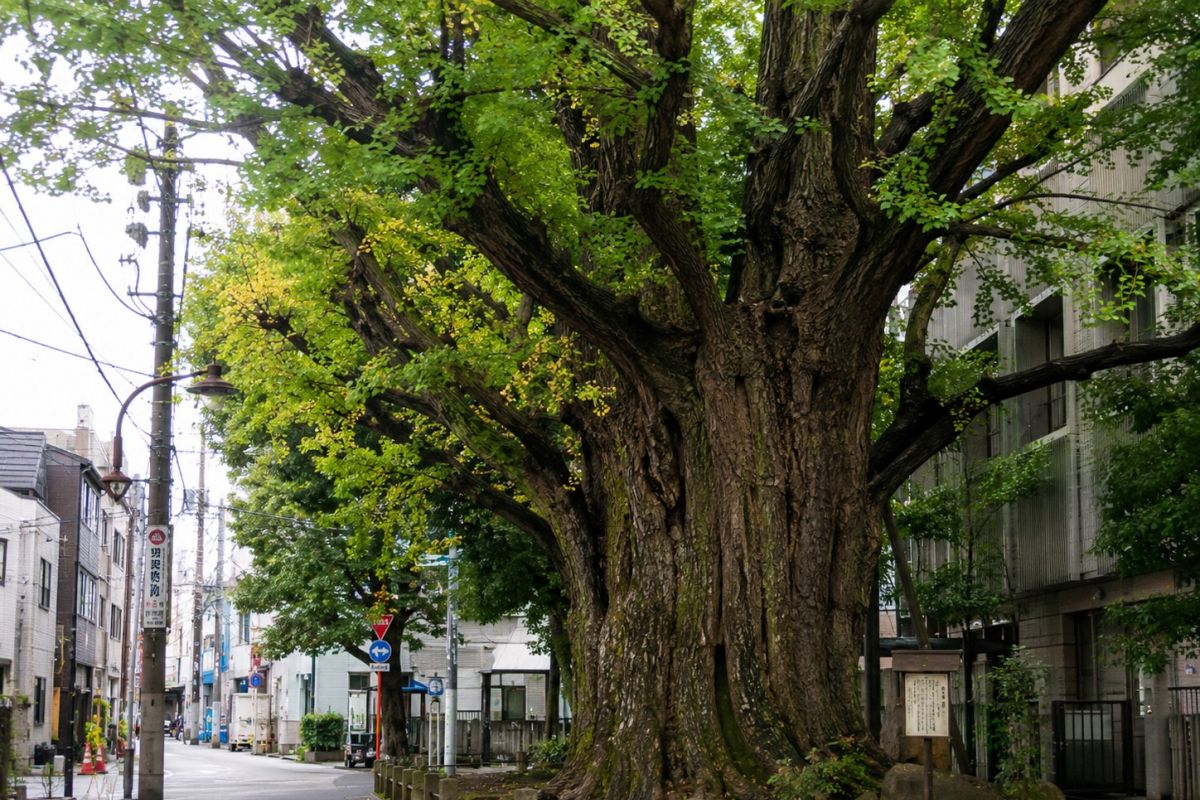
Engineers in Japan are developing an artificial intelligence (AI) based system to identify trees at risk of falling or dropping branches, as the threat to public safety from old trees along roadsides and in parks increases.
An increasing number of local governments are considering the use of this technology amidst a shortage of tree experts and arborists who typically inspect tree conditions.
Currently, the system evaluates zelkova and sakura trees, with plans to add ginkgo and other species. Between April 2021 and November 2024, there were 1,732 recorded tree-related accidents in parks and on streets in Japan, 110 of which resulted in injury or death, according to the Ministry of Land, Infrastructure, Transport and Tourism.
For instance, in September 2024, a man died after a ginkgo tree branch broke and fell onto a pedestrian path in Hino, western Tokyo.
IT company Optim Corp., headquartered in Tokyo, together with Kyuden Drone Service Co. in Fukuoka, is developing a drone-based AI system to detect dead trees. Meanwhile, Sumitom Mitsui Construction Co. is developing an AI-based tree risk assessment system that analyses photos of dead or decaying tree parts via smartphones or tablets.
The ‘Tree AI’ compares photos with tens of thousands of stored images of trunks and branches, as well as tree doctor diagnoses, to assess the risk of falling on a four-level scale. The results are available within minutes and are stored in a database complete with the tree’s location.
“The risk of falling increases if a tree has internal cavities or fungi on its trunk. It is difficult for laypeople to assess this,” said tree doctor Hidemi Kataoka, who is involved in the development of the programme.
Local governments such as Kizugawa in Kyoto Prefecture, Miyakonojo in Miyazaki Prefecture, and the Tokyo Metropolitan Government have tested the system. Kizugawa, which manages approximately 20,000 trees, is unable to conduct routine inspections due to staff limitations.
“With AI, inspections can be more efficient and consistent,” said a Kizugawa official.
Around 20 local governments are considering the implementation of the system. Sumitomo Mitsui also plans to launch commercial services in the 2027 fiscal year.
“Many trees were planted during Japan’s period of high economic growth to absorb vehicle emissions and have now reached the end of their lifespan,” said Sho Tago, Head of the Green Infrastructure Division of the company, expressing hope that the service can support efficient and precise tree management amidst staff shortages.