
Japan to Boost Language Programme Support for Foreign Children
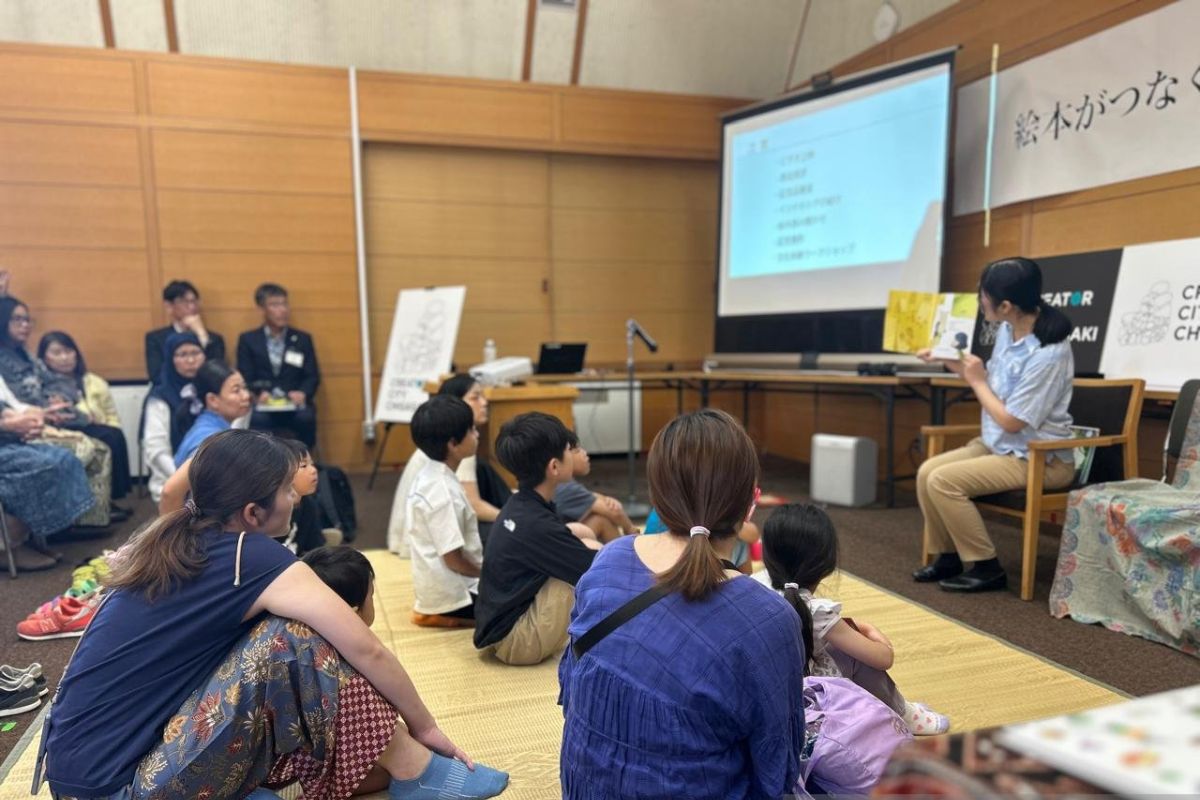
The Japanese government is expected to increase support for beginner-level Japanese language programmes aimed at children who have recently arrived from abroad. The move comes as the growing foreign population creates a heightened need for specialised education.
A report by an expert panel of the Ministry of Education, Culture, Sports, Science and Technology (MEXT), compiled in June 2026, urged the central government to take a “leading role” in raising national education standards for foreign children. One of the main initiatives is the creation of a model “pre-class” programme and teaching guidelines.
As of May 2025, the number of students in public elementary, junior high, and senior high schools requiring Japanese language instruction had reached 84,759. The report acknowledged efforts to provide special curricula and increase teacher numbers but noted that “the number of foreign pupils and students is increasing at a pace that is difficult to keep up with.”
MEXT hopes the pre-class programme will not only focus on linguistic skills but also help foreign children learn about local culture and adapt to the rhythm of school life in Japan. The city of Yokohama, a port city near Tokyo, has already implemented a model beginner-level programme. Its Himawari facility, operating since 2017, offers a 12-day course where students attend language classes three times a week for a month without leaving their regular schools. The programme uniquely teaches daily Japanese school practices, such as classroom cleaning duties (o-soji), and also serves as a consultation centre for parents.
“The goal is to help children acquire the basic Japanese language skills they need and then pass the baton of guidance to the schools,” said Masumi Kanazawa, head of the Himawari school.
Looking ahead, the ministry panel suggested that teaching guidelines should include the use of digital technology, including generative artificial intelligence. Teachers are encouraged to create personalised learning plans that consider students’ educational histories and goals, while using a simple format to avoid increasing their workload. To support foreign students wishing to pursue higher education or work, the central government is also being urged to publish multilingual documents containing information from local authorities and residence status data from the Ministry of Justice.
Source: jawawa.id (https://jawawa.id/newsitem/japan-to-boost-language-programme-support-for-foreign-children-1786247586)
Originally published by Media Indonesia (https://mediaindonesia.com/internasional/919821/jepang-tingkatkan-dukungan-program-bahasa-bagi-anak-wna), translated from Indonesian