
Japan Strengthens Military to Counter Threats from China, North Korea, and Russia
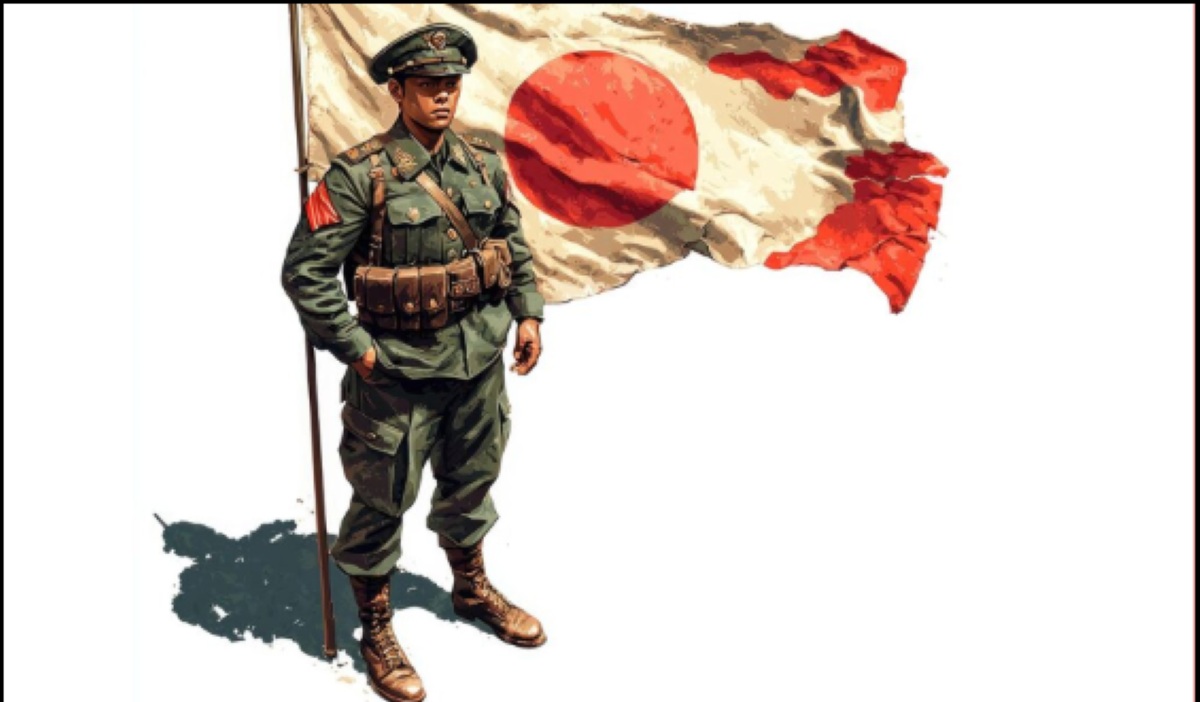
The Japanese government has asserted the need to strengthen its military power with a heightened sense of urgency and crisis. The statement was made by Japan’s Defence Minister, Shinjiro Koizumi, in line with the government’s latest assessment highlighting growing security risks from China, North Korea and Russia.
In the introduction to the annual Defence White Paper, Koizumi stated that Japan must transform its defence capabilities more profoundly. “It is essential for Japan to further strengthen and transform its defence capabilities with a stronger sense of urgency and crisis than ever before,” he declared on Tuesday (4/8).
The report highlights the dynamics in the Asia-Pacific region. China and North Korea are assessed as continuing to enhance their military capabilities. In addition, military cooperation between China and Russia, as well as between Russia and North Korea, is reported to be growing increasingly intensive.
The white paper notes that China is intensifying its activities in the waters surrounding Japan, even expanding beyond what is known as the first island chain to the second island chain.
Throughout 2025, a series of incidents were recorded, including Chinese aircraft carrier activity and unusual approaches by Chinese aircraft towards Japanese aircraft in June and July. Data shows that Japanese fighter jets carried out scrambles in response to threats 595 times in the year up to 31 March 2026. Of that figure, 366 were conducted against Chinese aircraft and 214 against Russian aircraft.
Although this figure is the lowest since at least 2021 — compared with 704 sorties in the previous year — the security pressure is still considered high.
Japan is currently increasing its military spending and security cooperation across Asia. The strategic steps being taken include the deployment of missile launchers to its outlying islands, the acquisition of counter-strike capabilities, and the relaxation of arms export rules decided last April.
However, the white paper also offers a critical note on the domestic production base, which could hamper military procurement and innovation. On the diplomatic front, Koizumi revealed that he had exchanged views with the United States Secretary of Defense, Pete Hegseth, to strengthen the unwavering US-Japan alliance.
“Japan will build and expand a multi-layered network among allies and like-minded countries, including the Philippines, Australia and South Korea, to realise a free and open Indo-Pacific,” Koizumi added.
Meanwhile, China has expressed its concern over what it describes as the return of Japanese neo-militarism. Relations between the two countries are reported to have worsened, particularly after remarks regarding Taiwan made by the new hardline Prime Minister, Sanae Takaichi, last year. (AFP/I-2)