
Japan Sets Record as Number of Centenarians Surpasses 100,000
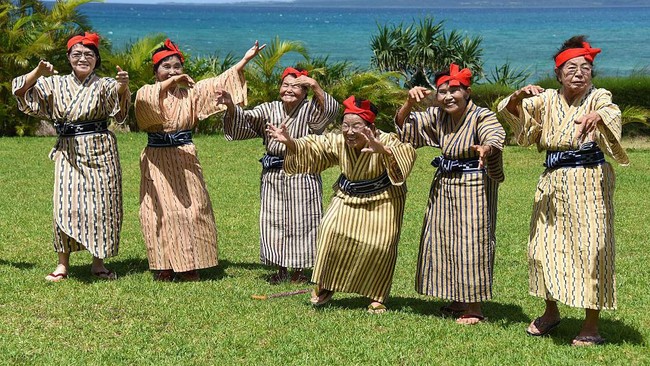
Japan has recorded a new milestone regarding its population’s life expectancy. For the first time, the number of Japanese citizens aged 100 or older has surpassed the 100,000 mark.
According to data from Japan’s Ministry of Health, Labour and Welfare, the number of residents aged 100 or more (known as centenarians) reached 107,677 as of September 2026. This figure represents an increase of nearly 8,000 people compared to the previous year.
This marks the 56th consecutive year that the number of citizens aged a century or older in Japan has increased. The majority of these centenarians are women, accounting for 94,298 individuals, or approximately 88% of Japan’s total centenarian population. Japan’s Minister of Health, Kenichiro Ueno, welcomed the achievement.
“I am very pleased that so many people remain active and healthy for such a long time,” Ueno told reporters, as cited by CNN International on Thursday (17/9/2026).
Japan has consistently remained one of the countries with the longest-living populations in the world. According to World Bank data, the average life expectancy in Japan reached 84 years in 2024. By comparison, the life expectancy in the United States during the same period was around 79 years. Scientists attribute the longevity of the Japanese people to several factors, including a relatively healthy diet and an advanced healthcare system.
Furthermore, Japan is well-known for the ‘ikigai’ philosophy, the concept of finding purpose, value, and happiness in daily life. The Land of the Rising Sun is currently home to some of the oldest humans in the world. Japan’s Ministry of Health noted that Fuyo Kishimoto, a woman from Kyoto, is 114 years old, while Hikaru Kato from Kumamoto is recorded as 112 years old, making him one of the oldest men in Japan.
However, the record number of residents aged over a century also highlights the demographic issues facing Japan. On one hand, more Japanese citizens are able to live into very old age. On the other hand, the overall population continues to shrink due to low birth rates.
Japan’s population currently stands at approximately 123 million, but it continues to decline as birth rates hit record lows. The ageing population is also exerting pressure on the Japanese economy, one of the largest in the world. The increasing number of elderly people raises the demand for and costs of elderly care, while the productive workforce continues to dwindle.
This situation has led Japan to increasingly open its doors to foreign workers, including skilled professionals and labourers in various sectors experiencing shortages. Nevertheless, the Japanese government has also recently tightened certain visa requirements amidst rising sentiment regarding foreign nationals.
Source: jawawa.id (https://jawawa.id/newsitem/japan-sets-record-as-number-of-centenarians-surpasses-100-000-1789613627)
Originally published by CNBC Indonesia (https://www.cnbcindonesia.com/lifestyle/20260917081559-33-768570/jepang-cetak-rekor-warga-berusia-100-tahun-tembus-100-ribu-orang), translated from Indonesian