
Japan Revises Imperial Succession Law, Women Still Barred from the Throne
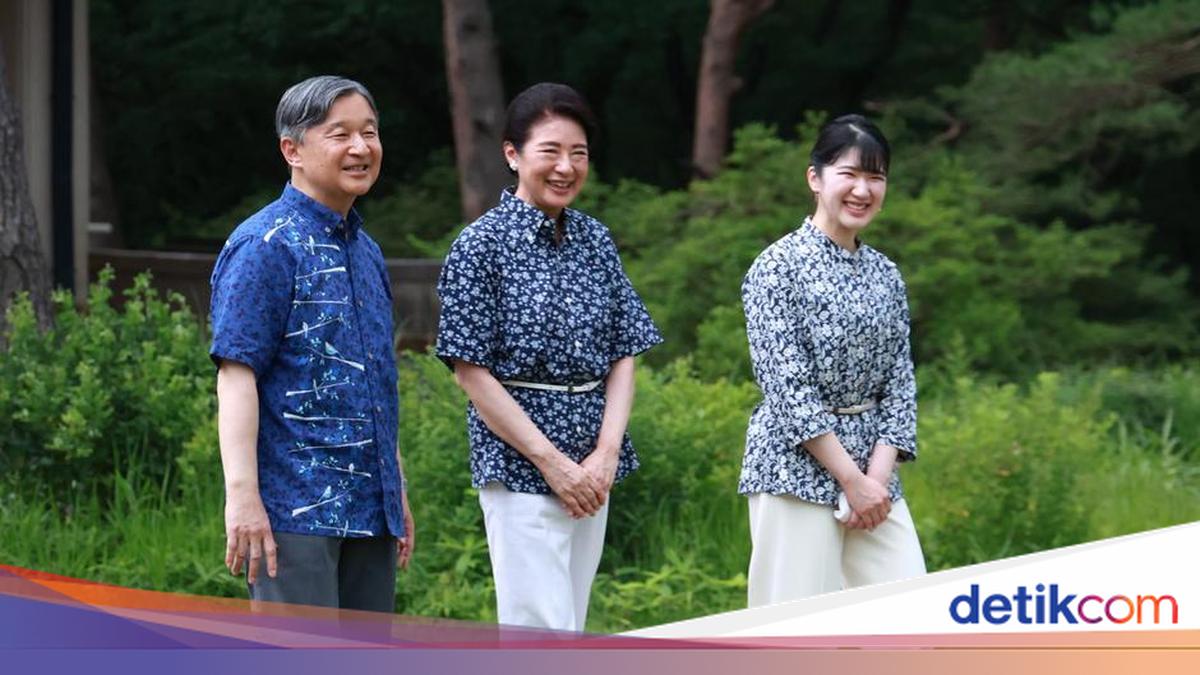
Japan’s parliament on Friday (17/07) passed the first major revision to the rules governing imperial succession to anticipate the possibility of the male line of inheritance being broken in the future. Under the current rules, only males from the paternal line can become emperor, while female members of the imperial family are required to leave the family upon marrying a commoner. Emperor Naruhito, who ascended the throne in 2019, and Empress Masako have one child, Princess Aiko, born in 2001. The current line of succession includes Naruhito’s younger brother, Crown Prince Akishino, and his son, Prince Hisahito.
The newly approved revision allows male relatives from former branches of the imperial family, who lost their status after Japan’s surrender at the end of World War II, to return to the imperial family through adoption if they are at least 15 years old. While the adopted males themselves do not gain succession rights, their sons would be eligible to enter the line of succession. The law, however, continues to legally bar women from ascending the throne.
A panel established by Prime Minister Junichiro Koizumi in 2005 had unanimously recommended allowing female emperors and succession through the female line, but the proposal was shelved after the birth of Prince Hisahito in 2006 eased concerns over a succession crisis. The latest changes, supported by Prime Minister Sanae Takaichi, do not align with the aspirations of many Japanese citizens. A nationwide poll by the Mainichi Shimbun in June 2026 showed that 73 per cent of respondents supported the idea of a female emperor, with only 6 per cent opposed.
Sven Saaler of Sophia University in Tokyo said the revision indicates that gender equality remains a low priority, adding that the possibility of a woman ascending the throne has now become even more remote. The liberal Asahi Shimbun questioned claims in parliamentary debate of an unbroken 2,600-year male line of succession, noting that early imperial genealogy is based more on mythology than verifiable history. It also pointed out that several European monarchies have reformed their succession laws to establish equal rights for men and women. Keiko Hongo, professor emeritus of Japanese medieval history at the University of Tokyo, argued that female succession would be more natural than reviving distant male lineages. Meanwhile, conservative voices, including the Sankei Shimbun and constitutional law professor Akira Momochi, defended the revision as a means of preserving tradition, arguing that the current line of succession through Prince Hisahito remains clear and that there is no urgent need to discuss female emperors.
Source: jawawa.id (https://jawawa.id/newsitem/japan-revises-imperial-succession-law-women-still-barred-from-the-throne-1784624089)
Originally published by detikcom (https://news.detik.com/dw/d-8583564/jepang-ubah-aturan-penerus-kekaisaran-perempuan-tetap-tersisih), translated from Indonesian