
Japan Revises Imperial Rules Amid Chrysanthemum Throne Succession Crisis
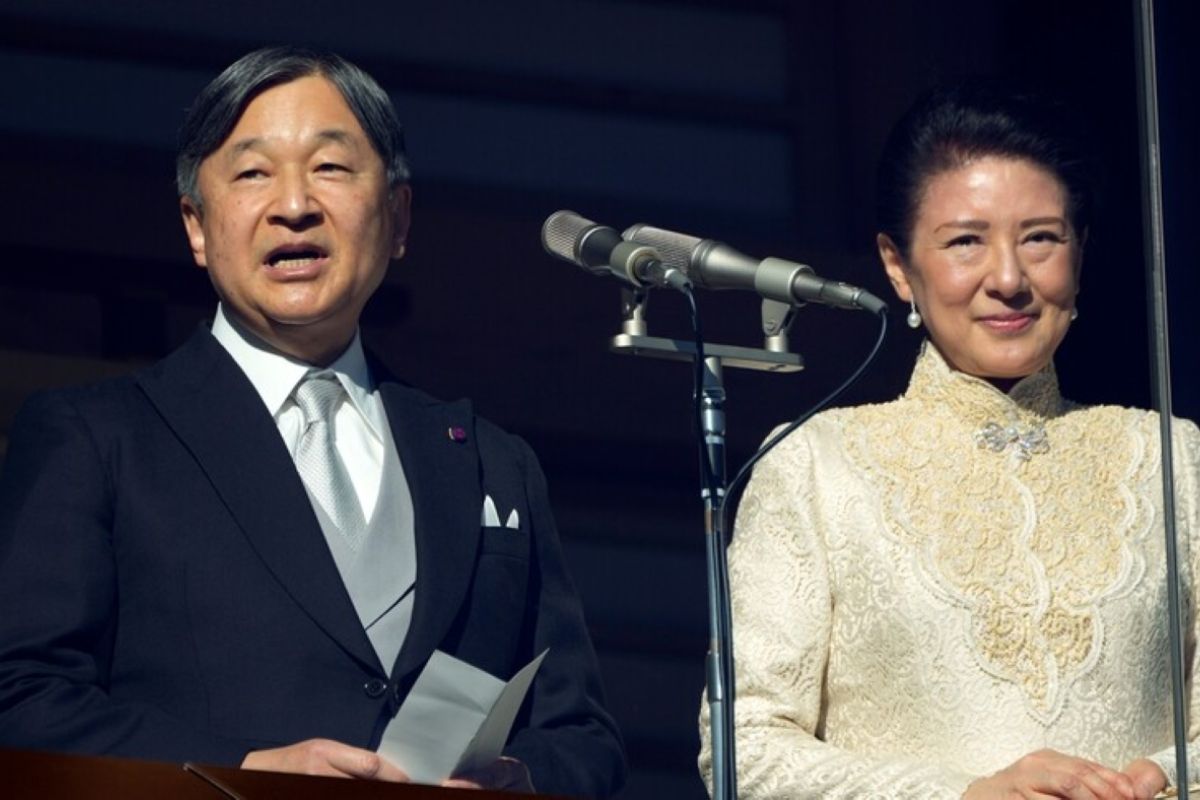
Japan’s cabinet on Tuesday approved a draft bill to revise rules governing the imperial family, aiming to ensure the continuity of the imperial system amid concerns over the shrinking number of members. However, the government maintained the system of succession limited to males from the paternal line, even as the number of eligible heirs continues to decline.
The ruling coalition, led by Prime Minister Sanae Takaichi of the Liberal Democratic Party (LDP) and its partner, the Japan Innovation Party, aims to pass the revision to the 1947 Imperial Household Law before the current parliamentary session ends on 17 July.
The bill has two main points: allowing the imperial family to adopt males aged at least 15 from the male lines of 11 former imperial family branches, and permitting female members of the imperial family to retain their imperial status after marrying a commoner.
Under the revision, adopted males would be an exception to the current law’s prohibition on adoption. However, they themselves would not be permitted to become emperor. Their male descendants, though, would be eligible to become heirs to the Chrysanthemum Throne.
The proposal reflects the conservative stance of the LDP and is expected to face opposition from other parties during parliamentary debate, as changes to the imperial succession system have rarely been discussed in depth within the cross-party forum examining the legal revision.
In that forum, the speakers and deputy speakers of both the lower and upper houses heard views from all 13 parliamentary parties and groups before drafting a joint agreement that formed the basis of the bill.
Under current law, only males descended from an emperor through the paternal line are eligible to ascend the throne. Meanwhile, female members of the imperial family lose their imperial status upon marriage. This has led to a steady decline in the number of imperial family members and potential heirs.
At present, there are only three heirs to Emperor Naruhito, 66: his younger brother, Crown Prince Fumihito, 60; his nephew, Prince Hisahito, 19; and his uncle, Prince Hitachi, who is 90 years old.
The 11 former imperial family branches share a common ancestor with the current imperial family from around 600 years ago. In 1947, 51 members of these 11 branches were stripped of their noble status, while three families descended from the siblings of Emperor Hirohito, later known as Emperor Showa, retained their imperial status under the policies of the post-World War II American occupation.
These two proposed revisions were actually recommended by a government panel in 2021. However, the panel did not discuss the possibility of women or descendants from the maternal line ascending the throne, citing that such discussions were still premature. Meanwhile, a Kyodo News poll conducted in May showed that 83 percent of respondents supported the possibility of Japan having a female emperor.