
Japan Registers 'Japanese Tea' Under GI System to Combat Imitations
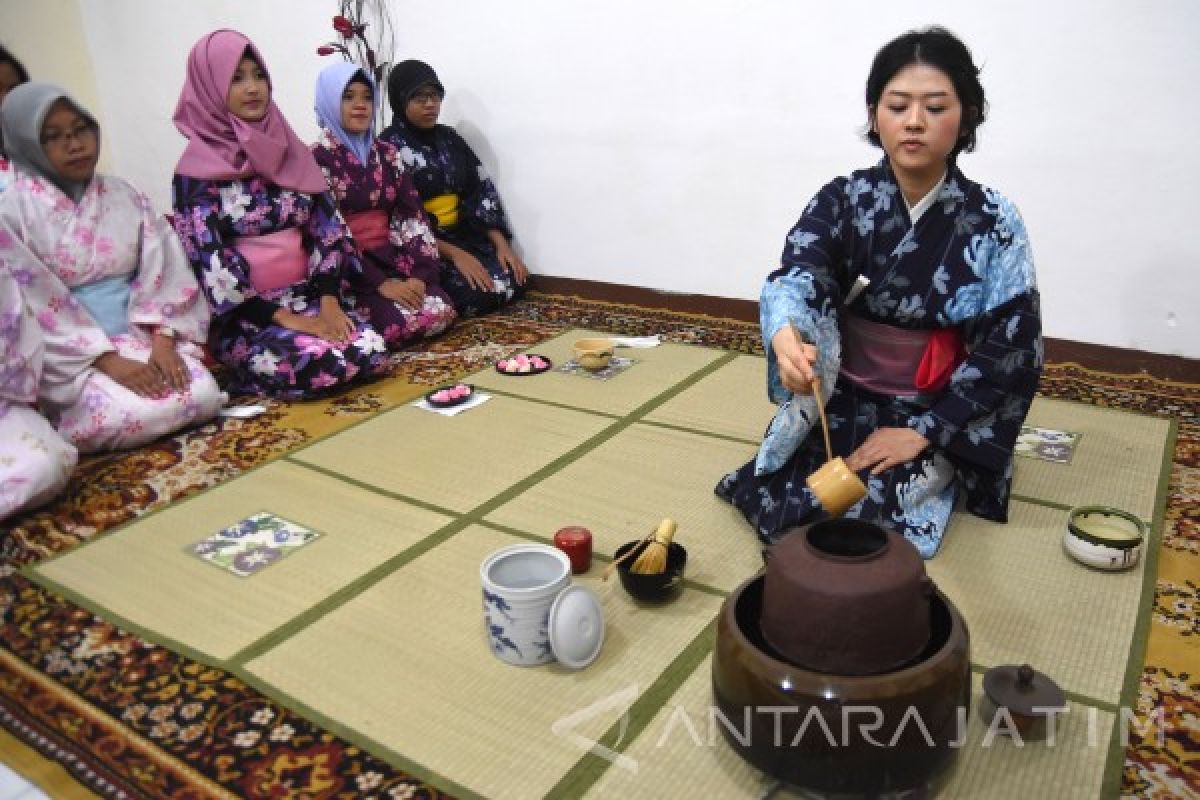
Japan’s Agriculture Ministry said on Friday that it has registered three new products, including “Japanese tea”, under the geographical indication protection system, which aims to safeguard the branding of agricultural and fishery products amid the spread of imitation products overseas.
Once registered, the products can be sold with the GI mark, and the government will take strict action against false labelling and other violations.
The new designation for Japanese tea applies broadly to all green tea cultivated and processed domestically.
It is unusual for a GI, which typically protects brand names associated with a specific region, not to specify a particular production area.
The only other such case is “Japanese sake”, which is registered under the geographical indication protection system for alcohol overseen by the National Tax Agency.
Amid the growing international popularity of green tea, the initiative aims to highlight the difference between Japanese tea and foreign imitations in order to enhance its value, according to Japan’s Ministry of Agriculture, Forestry and Fisheries.
Agriculture Minister Norikazu Suzuki said at a press conference on Friday that he hopes the registration will “help promote the strength of the Japanese tea brand as a whole, strengthen measures against counterfeit products, and further increase our robust exports.”
In addition to tea, the new registrations also cover “Hamanako Lake Japanese eel” from Shizuoka Prefecture in central Japan and “Kaga lotus root” from Ishikawa Prefecture in central Japan.
Japan’s GI protection system for agricultural and fishery products was launched in 2015. Following the latest additions, the total number of registered products has reached 170.
Specific tea products already covered by the GI system include “Kikugawa steamed green tea” from Shizuoka Prefecture and “traditional and authentic Yame gyokuro” from Fukuoka Prefecture.
Similar systems have been introduced in more than 100 countries. Japan has reciprocal protection arrangements with the European Union and the United Kingdom, ensuring that products labelled with a Geographical Indication (GI) are protected in partner countries, thereby boosting their credibility in overseas markets.