
Japan launches sushi dining experience aboard a bus
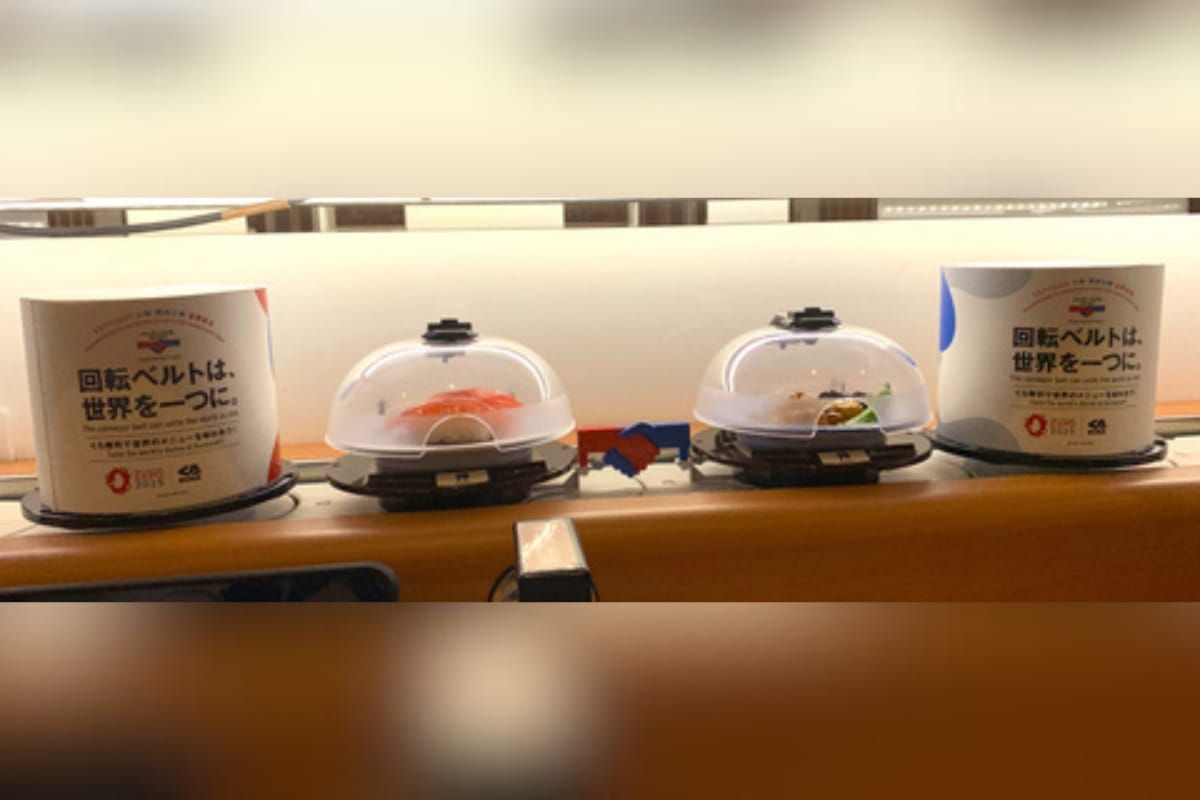
Japan has launched a sushi dining experience aboard a double-decker sightseeing bus that takes passengers around tourist attractions in central Tokyo. Sushi is served on a conveyor belt, as in a conventional sushi restaurant.
The 20-seat Sushi Bus began operating on Saturday, with passengers on the upper deck able to choose sushi plates moving along the belt.
“I want to develop a business model that is difficult for others to imitate,” Sushi Bus Inc. founder Tomoyuki Yano said, according to Kyodo on Friday (9 October).
The tour lasts about 70 minutes and departs from near Tokyo Station, passing through the Ginza shopping district and offering views of Tokyo Tower and other attractions.
The bus has a retractable roof and offers all-you-can-eat sushi. Tickets are priced at ¥16,000 (about Rp1.8 million) for standard seats and ¥20,000 (about Rp2.2 million) for seats at the front of the bus.
At a media preview on 1 October, kitchen staff on the first floor placed sushi plates in a small service lift to send them to the second floor. Staff then set the plates on the moving conveyor belt for passengers to choose from while the bus was under way.
The bus also caught the attention of pedestrians. Some appeared surprised before realising that the vehicle had been decorated to resemble a piece of sushi.
When the bus stopped at traffic lights, staff engaged with people nearby, holding signs and inviting them to wave and take photographs.
Yano said he had previously established a ninja-themed tour in 2016, followed by a ninja café.
He said there was no comparable experience offering conveyor-belt sushi on a sightseeing bus.
After choosing a bus as the means of transport, Yano considered what food would be suitable to eat during the journey.
“Ramen would be too hot and too risky,” he said.
Sushi, he said, is easier to eat because it can be consumed in one bite with one hand.
Developing the bus took more than two years and cost over ¥100 million (about Rp11.3 billion). The developers also conducted more than 100 tests on the conveyor belt to ensure the sushi plates remained secure while the bus was moving and during sudden braking.
They use specially designed plastic trays that can be secured to the belt to stop the plates from sliding. As fish cannot be sliced inside a moving bus, it is purchased pre-cut.
Yano said the fish portions served are larger than those at typical conveyor-belt sushi restaurants, because the food must compete with the scenery along the route for passengers’ attention.