
Japan Hit by Highest Inflation This Year as Energy Prices Surge
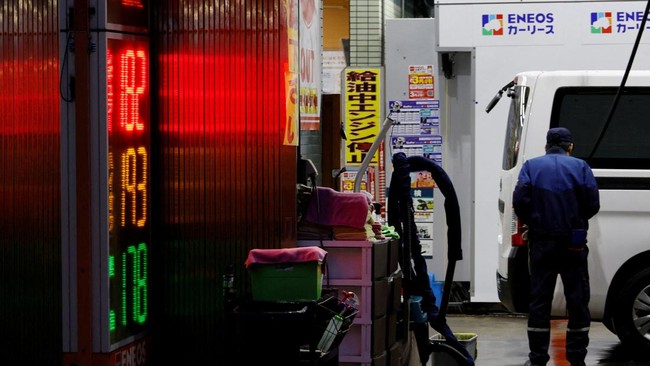
Japan’s headline inflation reached 1.9% year-on-year in July 2026, the highest level this year. The rise came as energy prices began to increase due to surging oil prices amid the Iran war and conflict in the Middle East. Data showed Japan’s core inflation, which excludes fresh food prices but still accounts for energy, stood at 1.8% year-on-year, in line with market expectations.
Rising energy prices were a key concern. Japan’s energy prices increased for the first time since November 2025, even though the government had provided subsidies to cushion the impact of higher energy costs on the public.
The pressure was also reflected in wholesale inflation. Japan’s producer price inflation reached 7.2% in July, with electricity costs the largest contributor.
Beyond energy, fresh food prices also surged. Fresh food prices rose 7% year-on-year in July, far higher than the 3.9% increase in June. Meanwhile, the so-called core-core inflation, which excludes fresh food and energy prices, stood at 1.9%.
The rise in inflation could be an important consideration for the Bank of Japan in determining interest rate policy. In its outlook report last month, the BOJ warned that core inflation could rise to a level clearly above 2% from the second half of Japan’s fiscal year 2026, which runs from September to March.
The BOJ cited wage increases passed on by companies to selling prices, rising crude oil prices, and a weaker yen as factors that could push inflation higher. However, the central bank expects inflationary pressure could return to near 2% if crude oil prices begin to fall.
Asia-Pacific economist at State Street Investment Management, Krishna Bhimavarapu, said the rise in headline inflation to 1.9% strengthens the view that the BOJ is likely to raise interest rates in September. “The rise in headline inflation to 1.9% strengthens our conviction that the BOJ’s next move is likely to be a rate hike in September,” Bhimavarapu said.
Although Japan’s domestic demand remains relatively strong, he said food prices need greater attention because they carry a significant weight in Japan’s inflation basket. In addition, disruptions to global agricultural product supply due to the El Nino phenomenon could also push food prices higher again.
Food prices, especially rice, have previously been a major issue in Japan. The rice price issue even led to the loss of the position of Japan’s then agriculture minister, Taku Eto, after his comments about receiving free rice from supporters drew controversy.