
Japan eases defence equipment export rules to enable arms sales
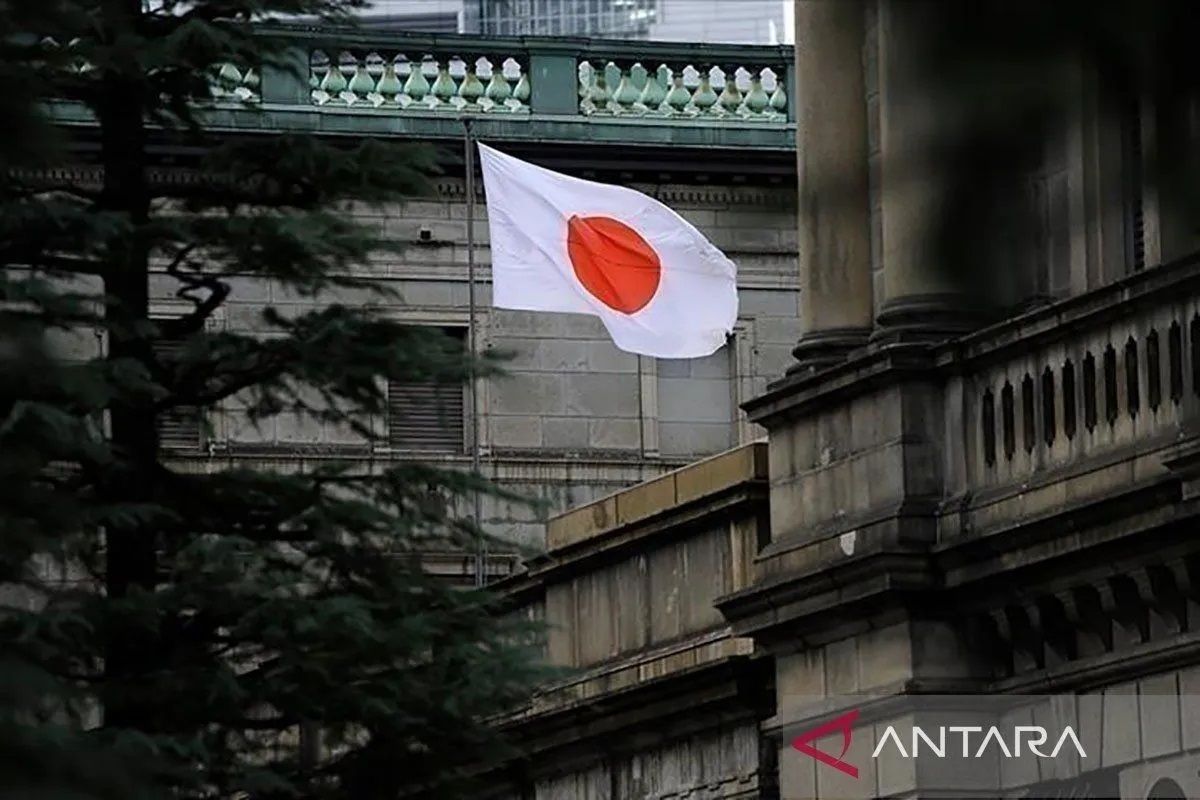
Tokyo - The Japanese government announced a revision to restrictions on defence equipment exports on Tuesday, opening opportunities for arms sales abroad to enhance security cooperation with partner countries.
The policy was approved by the Cabinet and the National Security Council under Prime Minister Sanae Takaichi’s administration as an effort to strengthen the defence industry amid rising security challenges.
According to the Japanese government, the security situation in the Land of the Rising Sun is currently the most serious since the end of World War II.
The revision to the three principles on the transfer of defence equipment and technology, as well as their implementation guidelines, eliminates previous regulations that limited exports to only five non-combat categories: rescue, transportation, warning, surveillance, and mine sweeping.
Under the new policy, defence equipment will be categorised into weapons and non-weapons based on the lethal capabilities of the equipment.
Exports of non-weapon defence equipment, such as warning radars and control systems, are unrestricted; whereas exports of weapons, such as destroyers and missiles, are only permitted to countries with secret information protection agreements with Japan.
The regulatory changes, which state that parliament will only be informed about arms exports after government approval, are likely to draw criticism from opposition parties.
The National Security Council will review and decide whether to approve arms exports; meanwhile, the next-generation fighter jet, being developed jointly with the UK and Italy, will be an exception requiring Cabinet approval.
The decision was made following a National Security Council meeting attended by several high-ranking officials, including Prime Minister Takaichi, Chief Cabinet Secretary Minoru Kihara, Foreign Minister Toshimitsu Motegi, and Defence Minister Shinjiro Koizumi.